
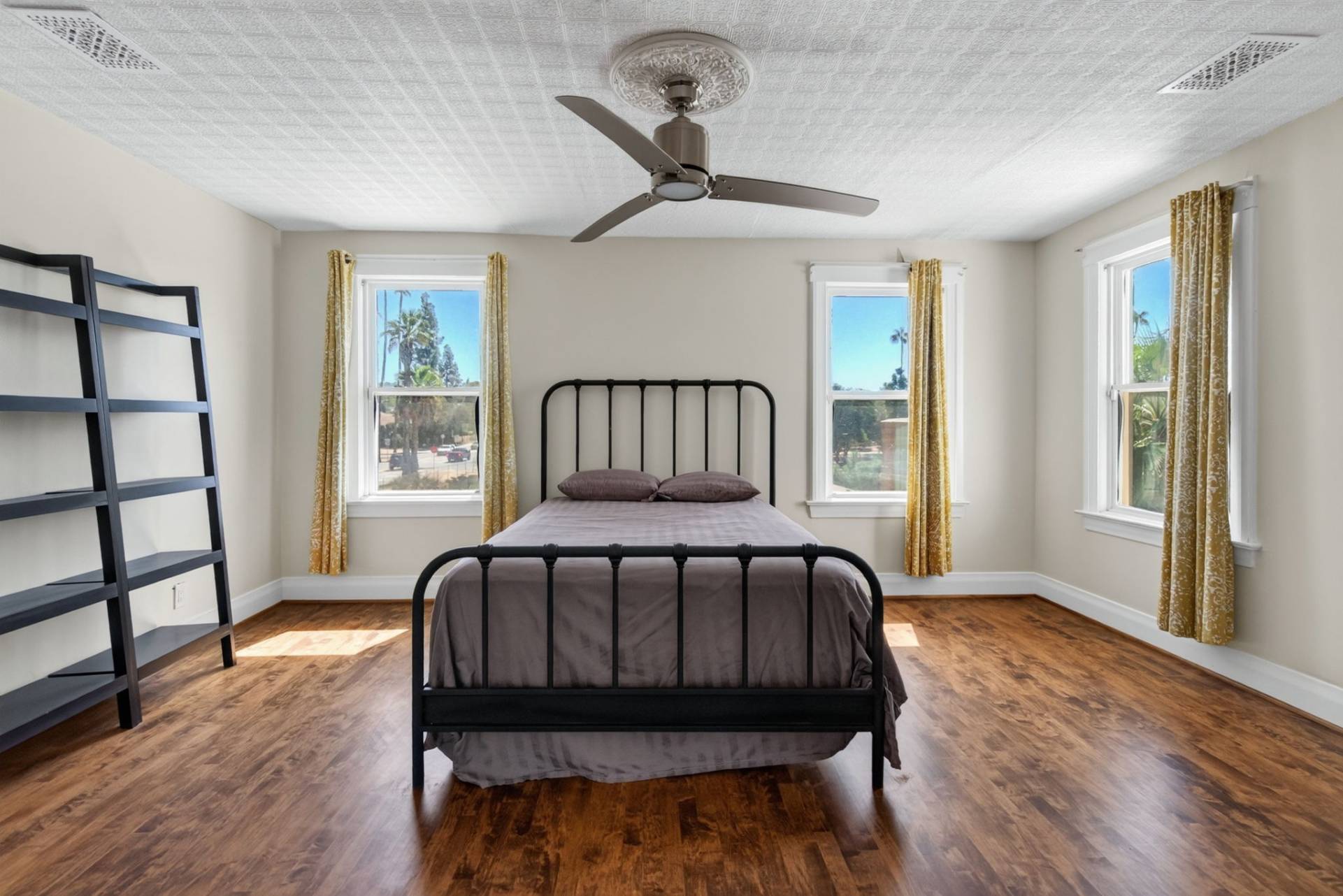
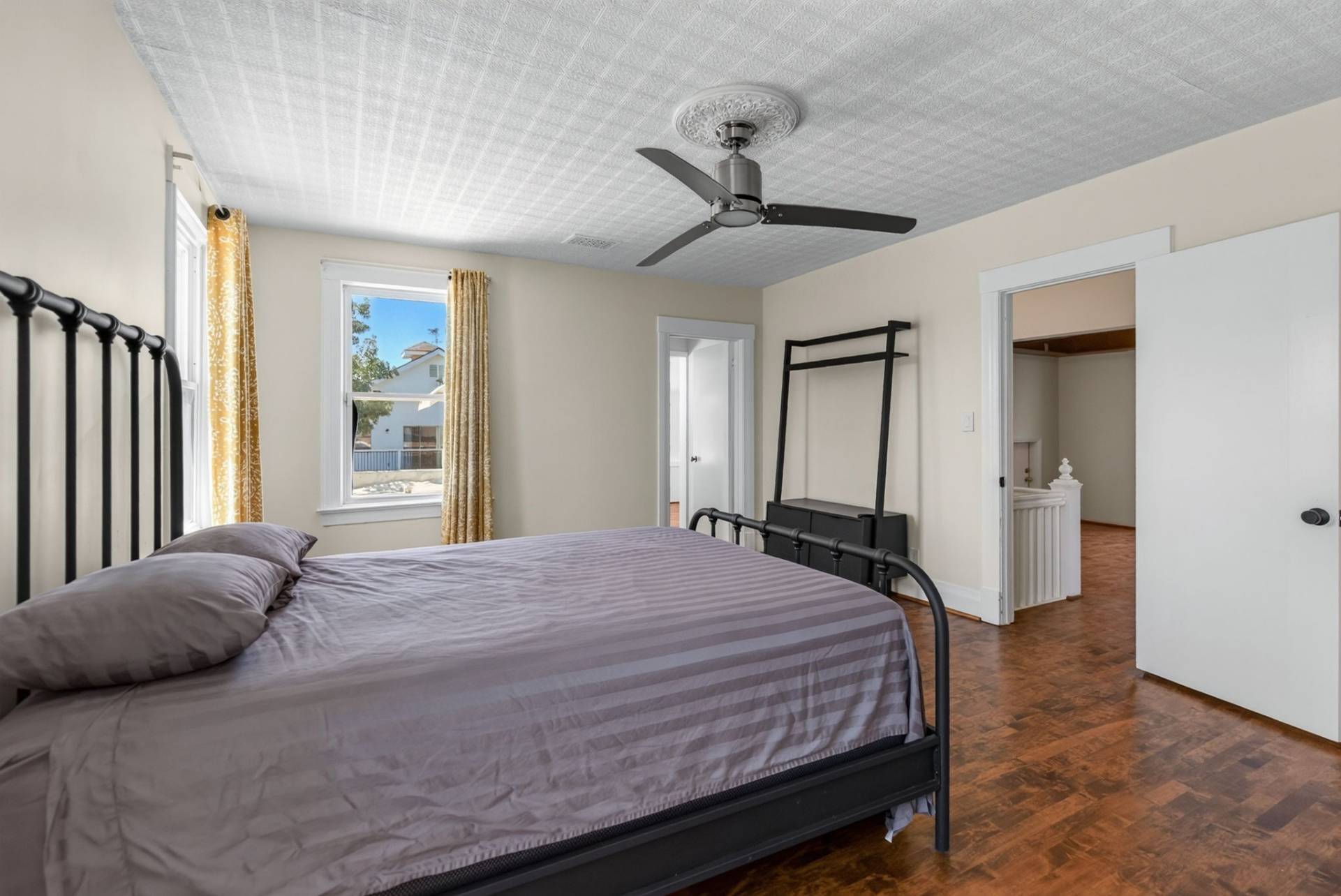
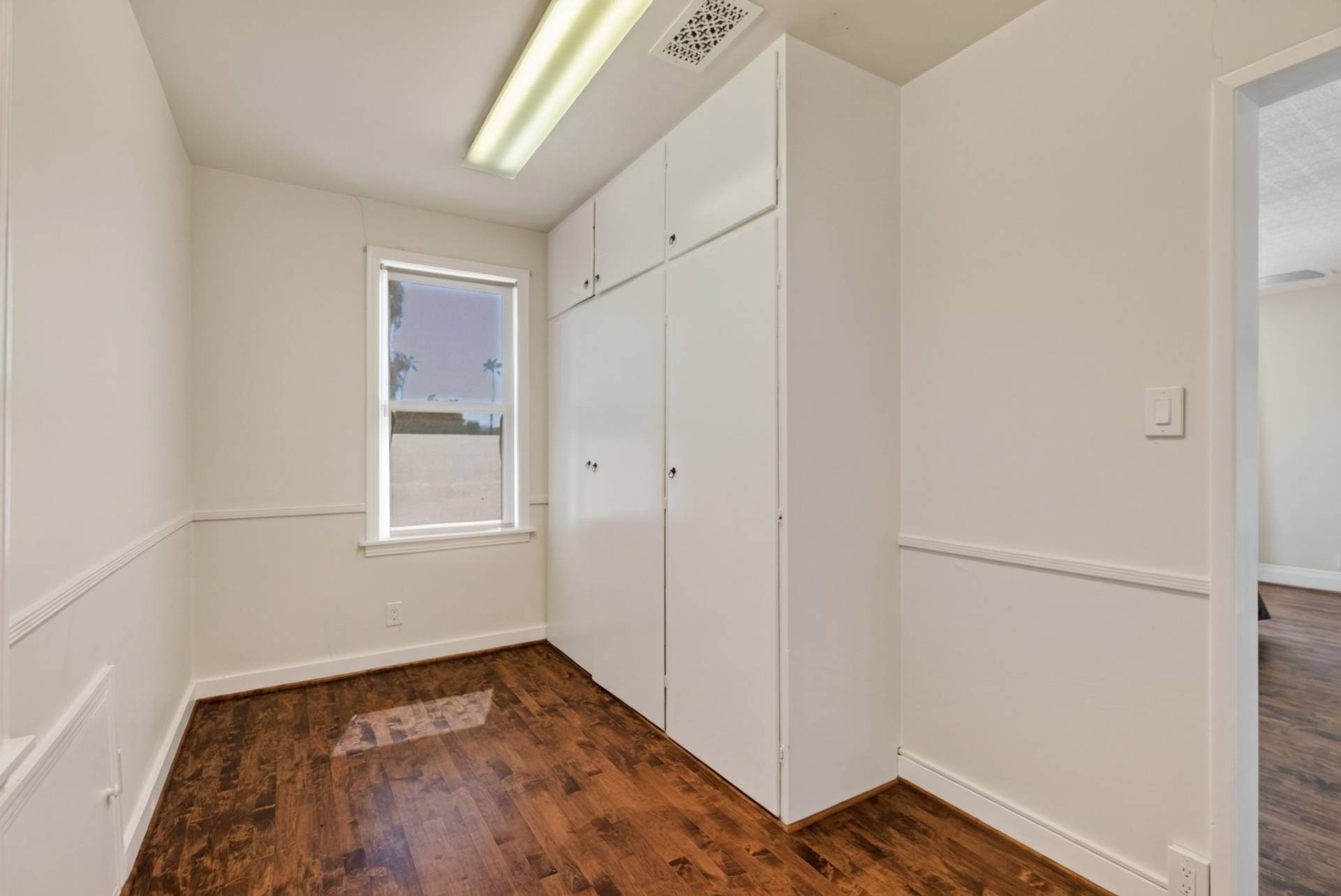
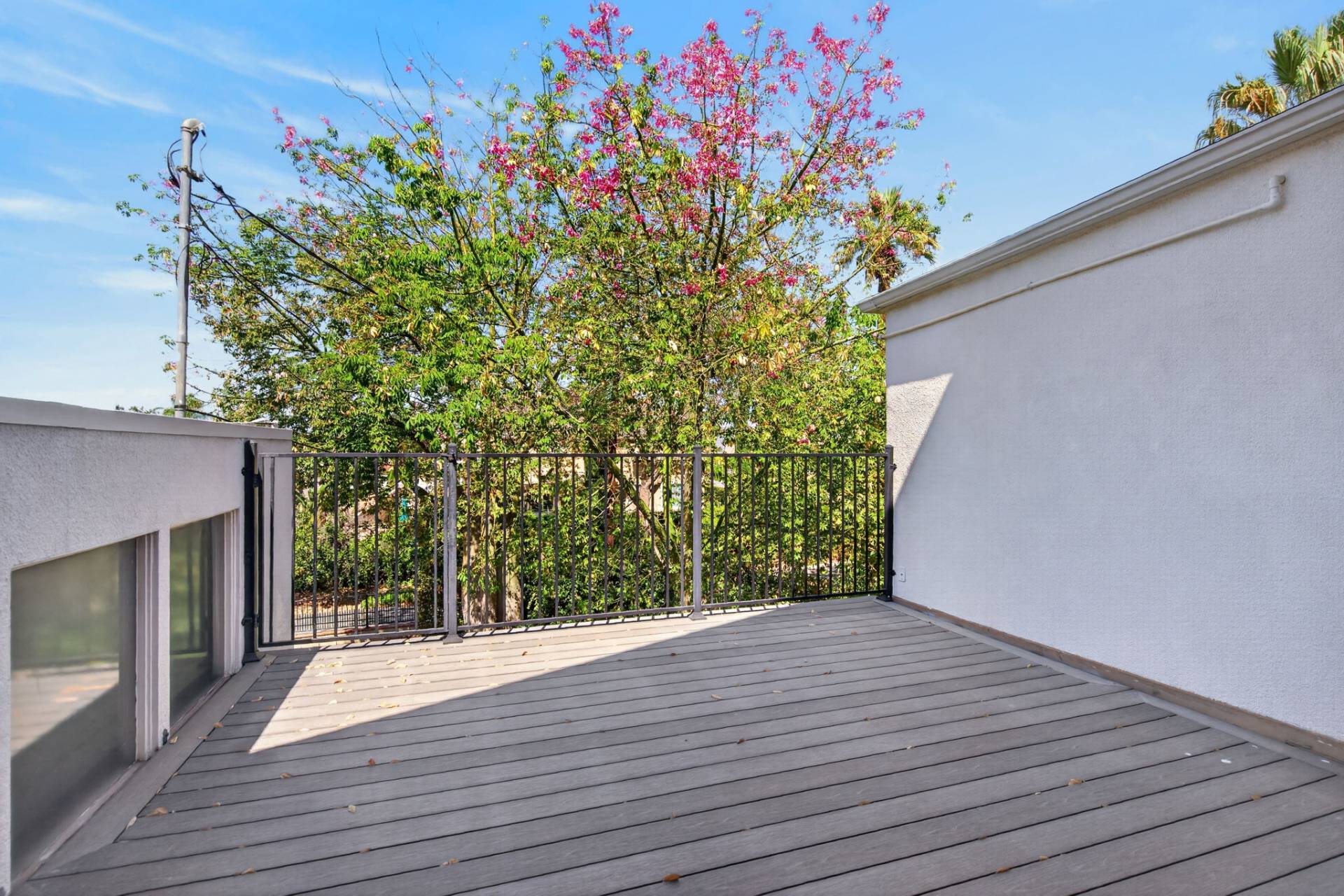
4 BEDROOMS | 3 BATHROOMS | 4,245 SQUARE FEET | 69,696 SQFT LOT | BUILT 1900 | Offered at $1,350,000
— • —
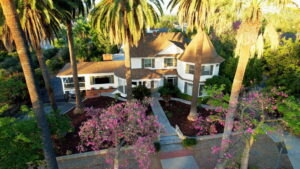
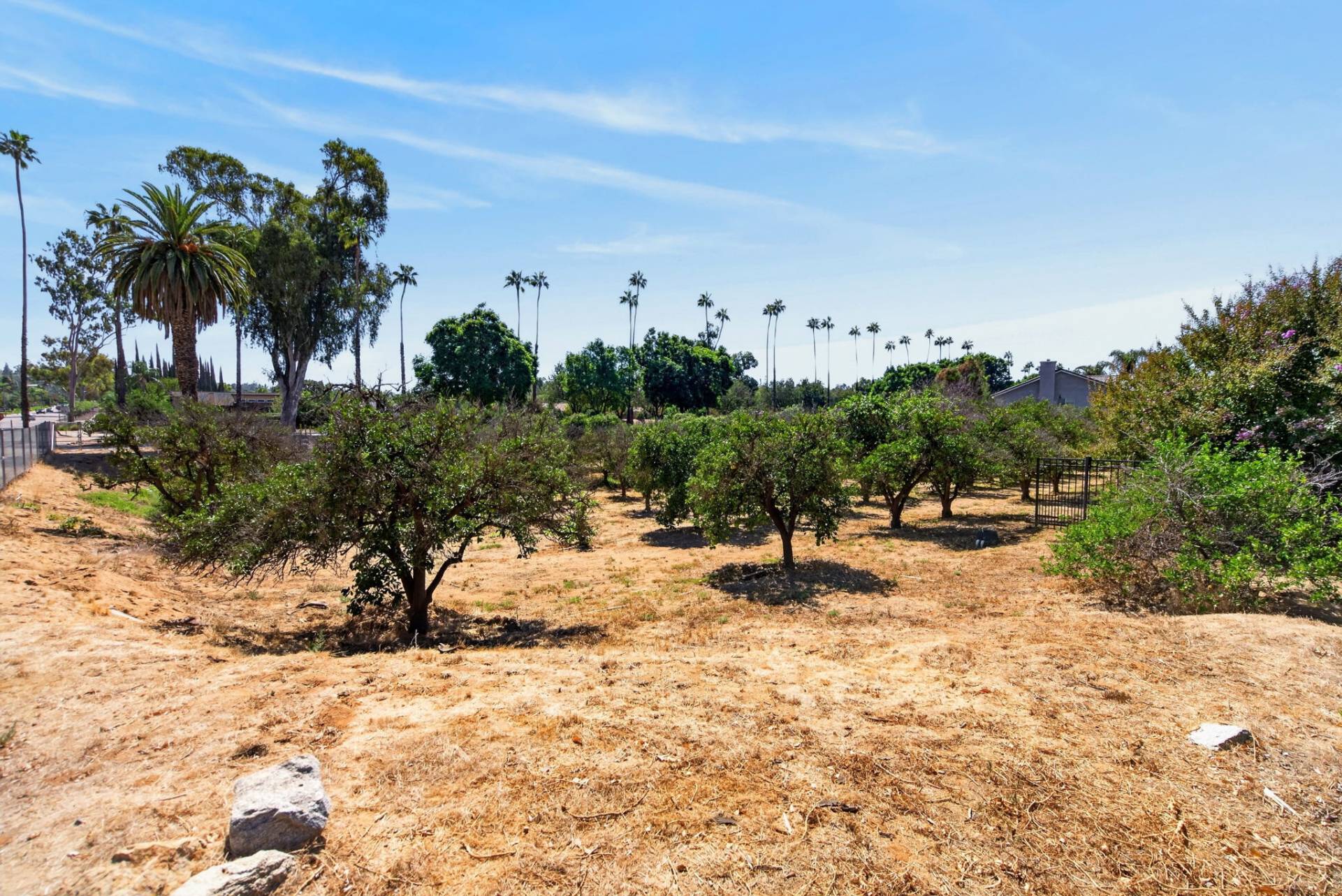
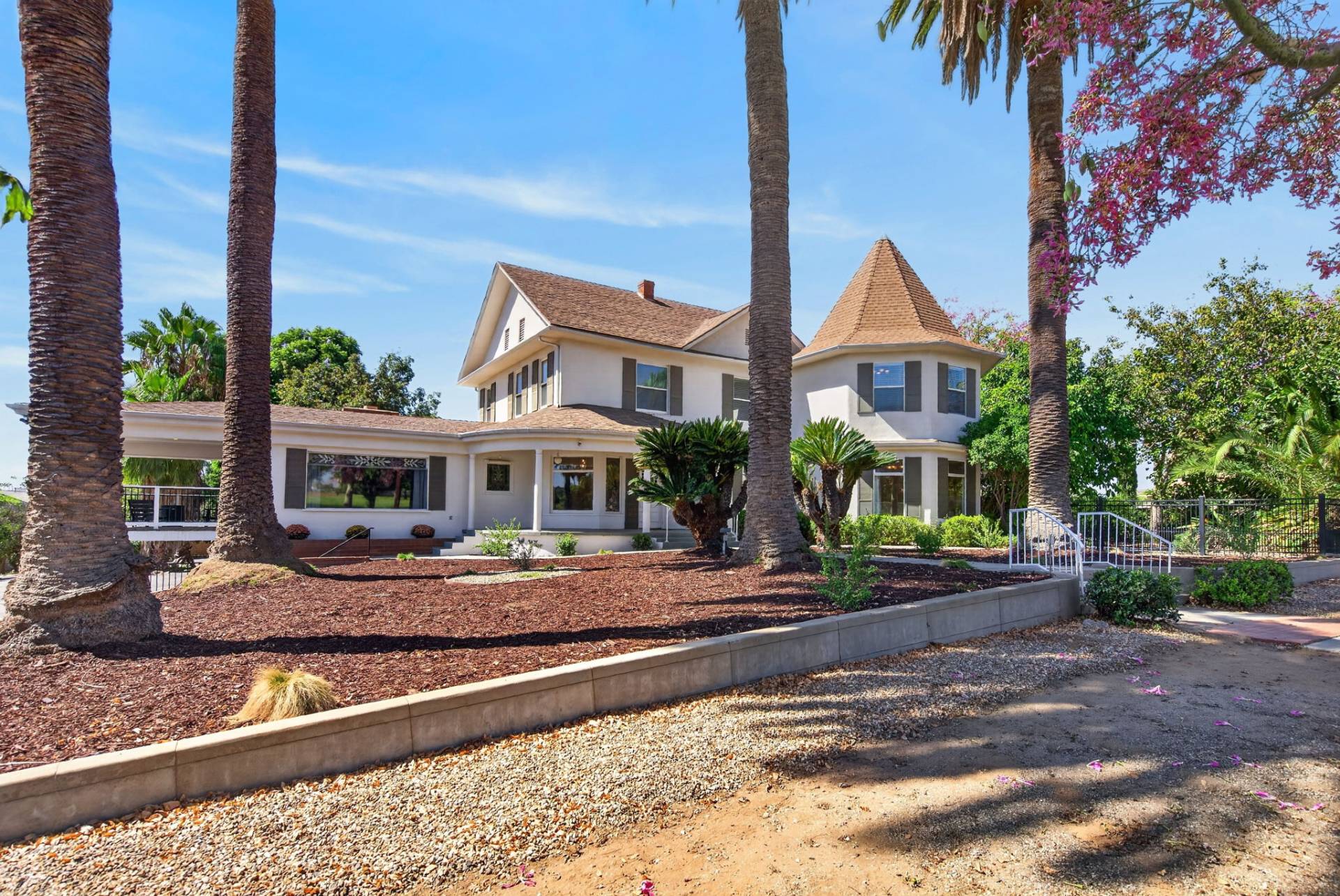
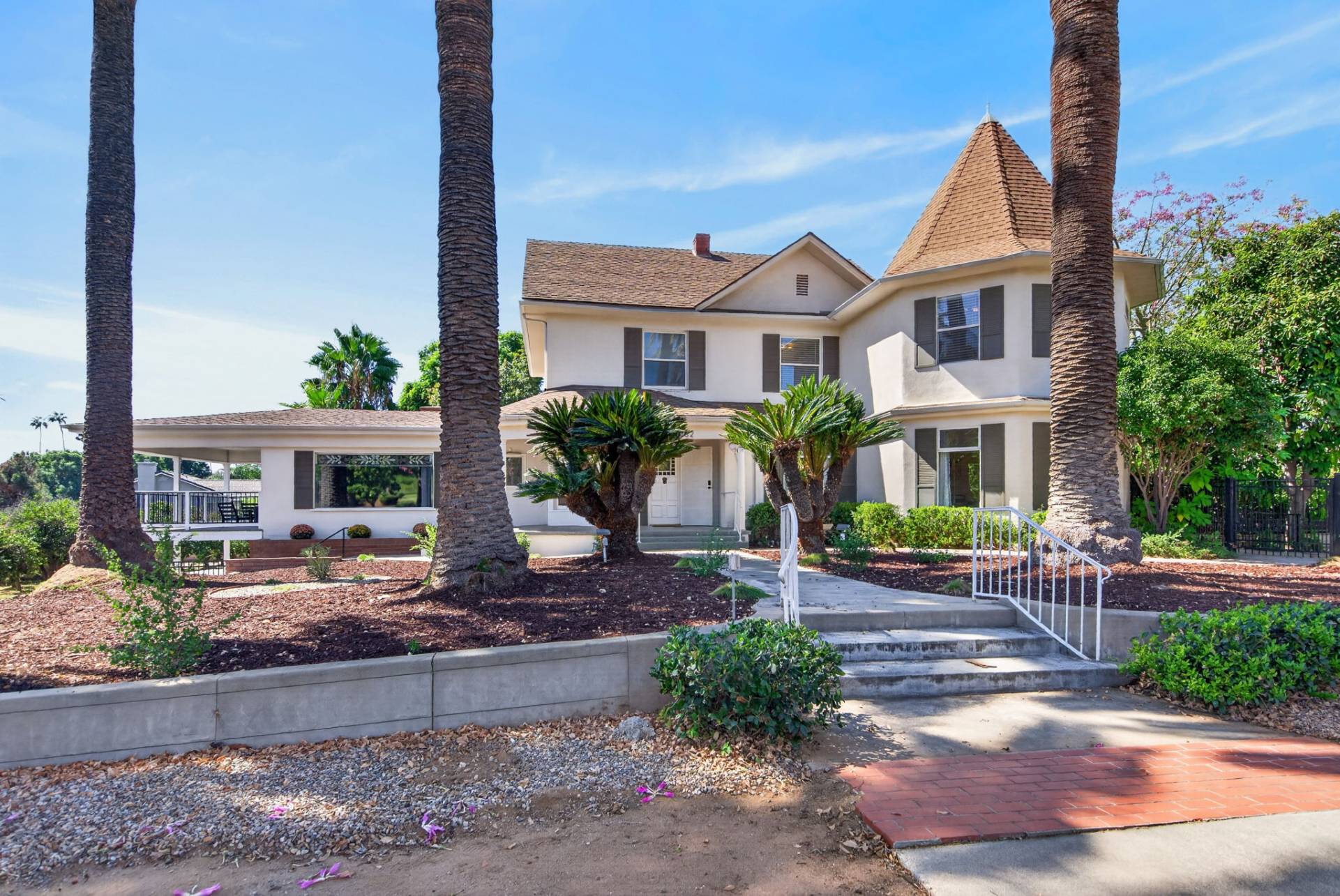
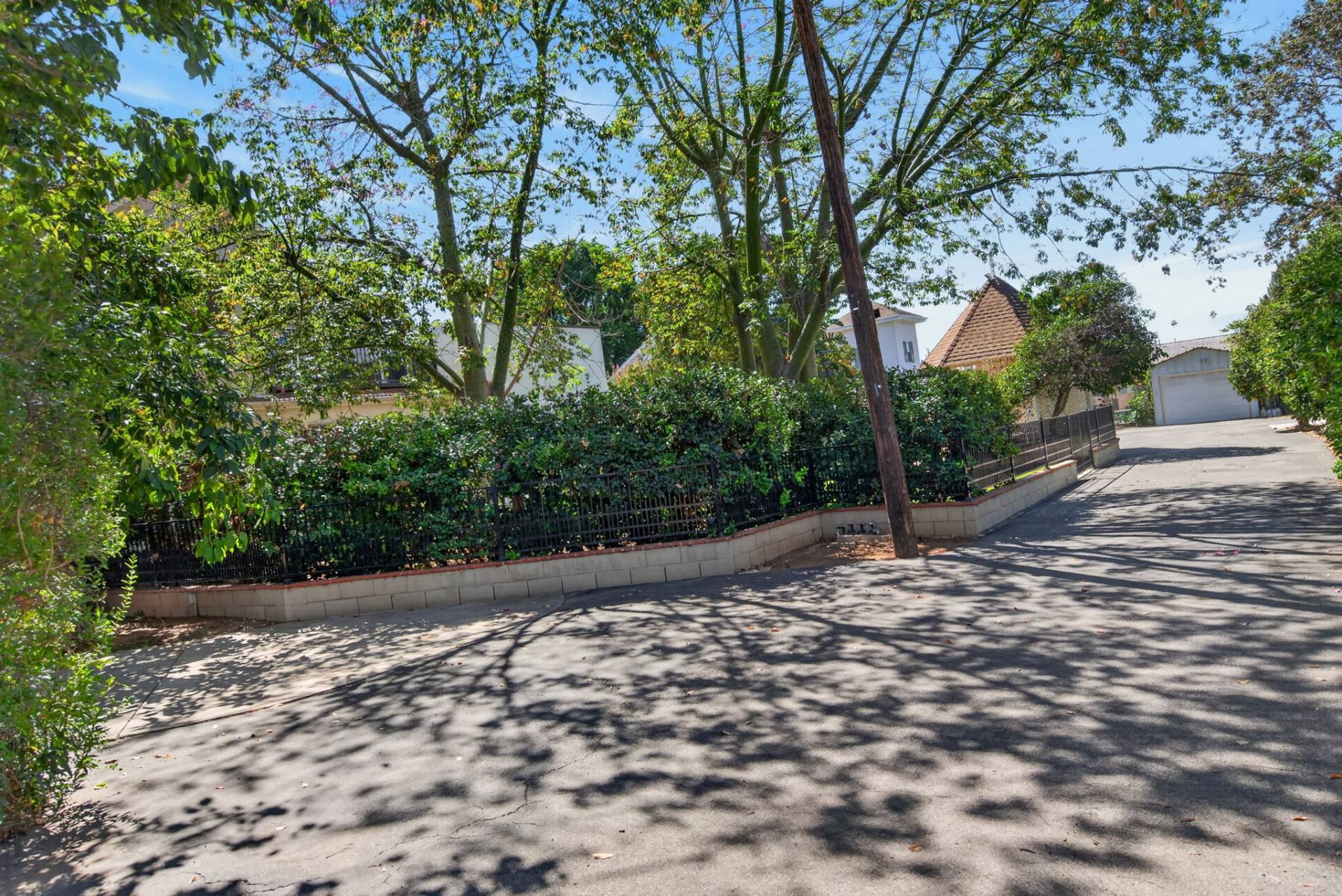
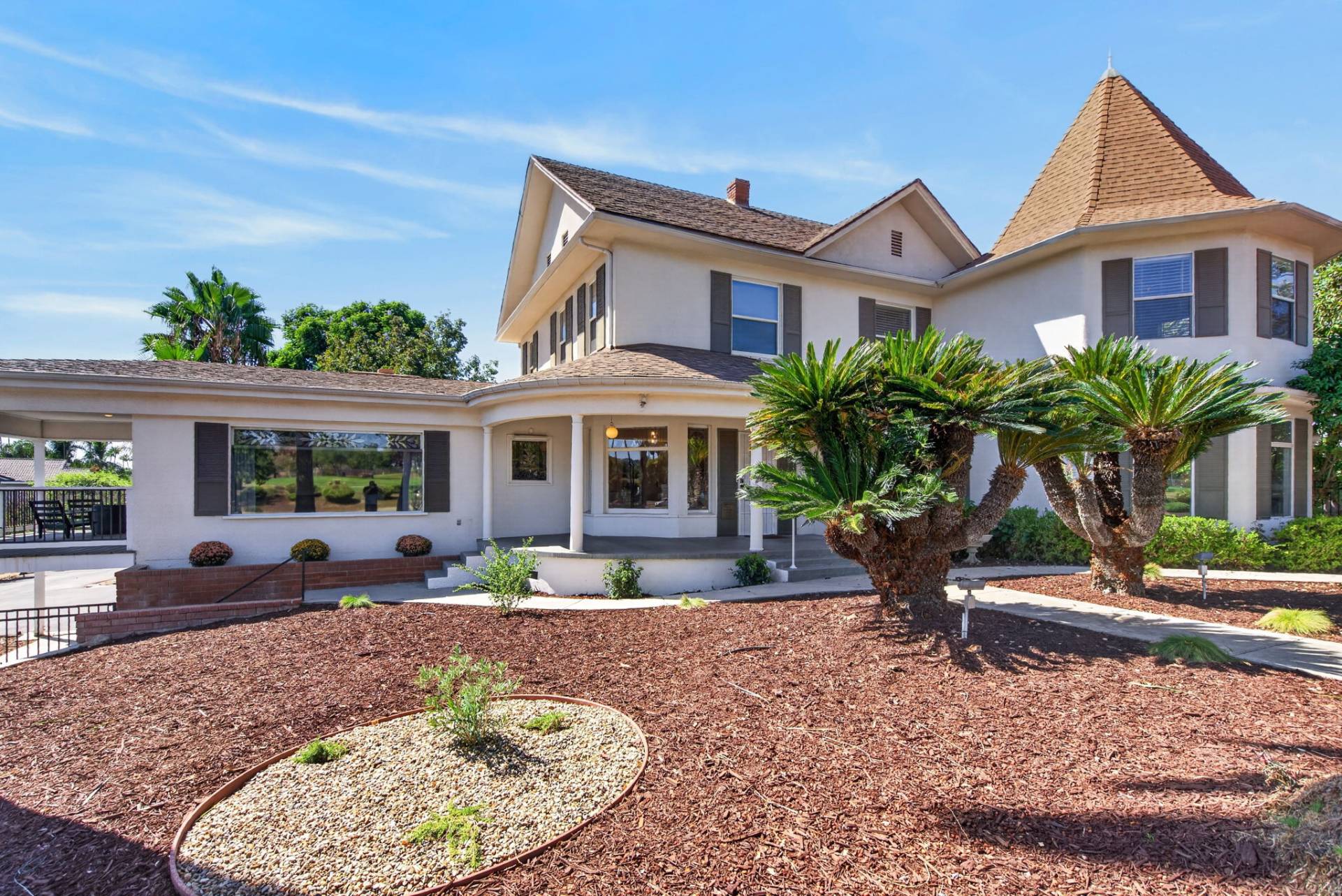
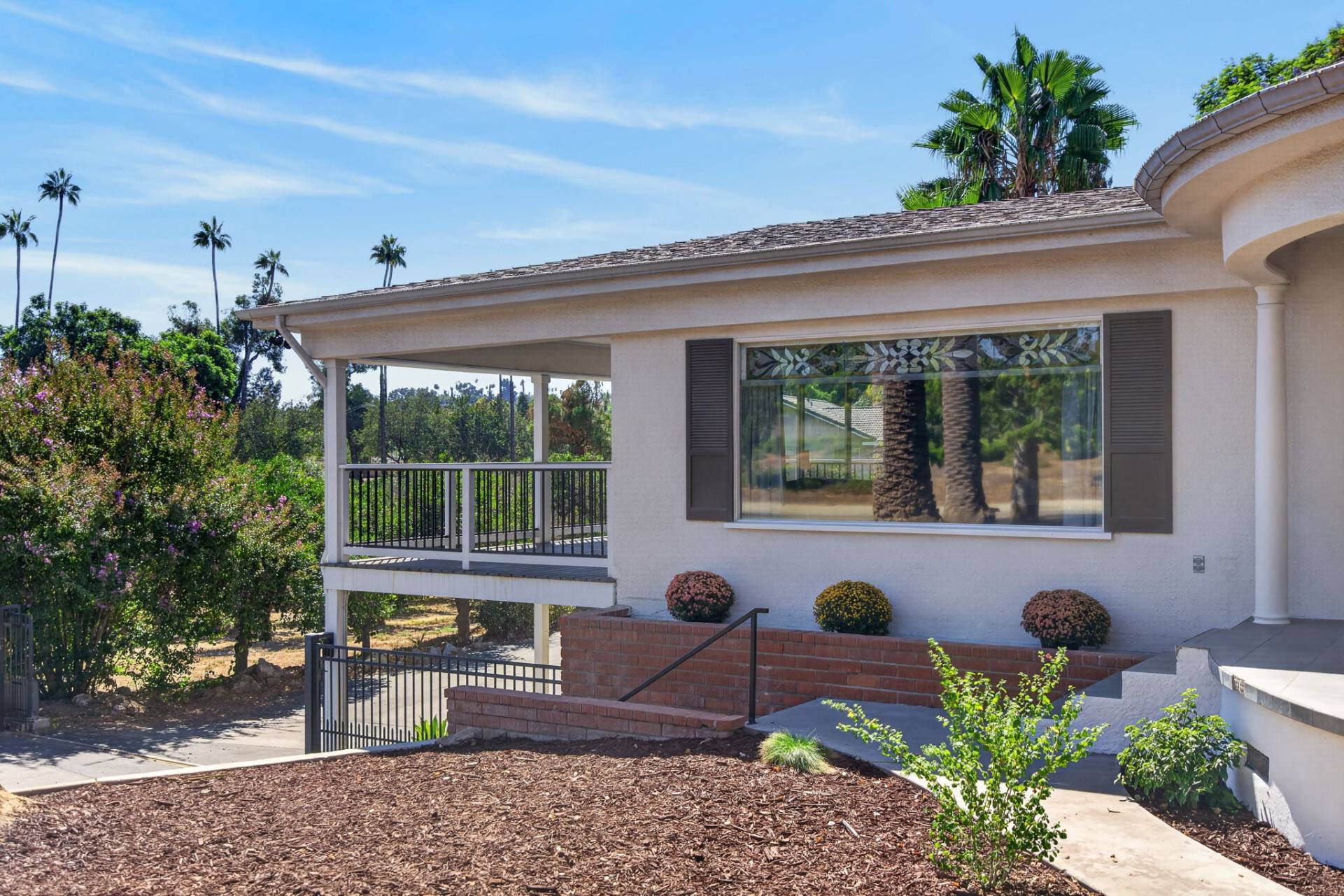
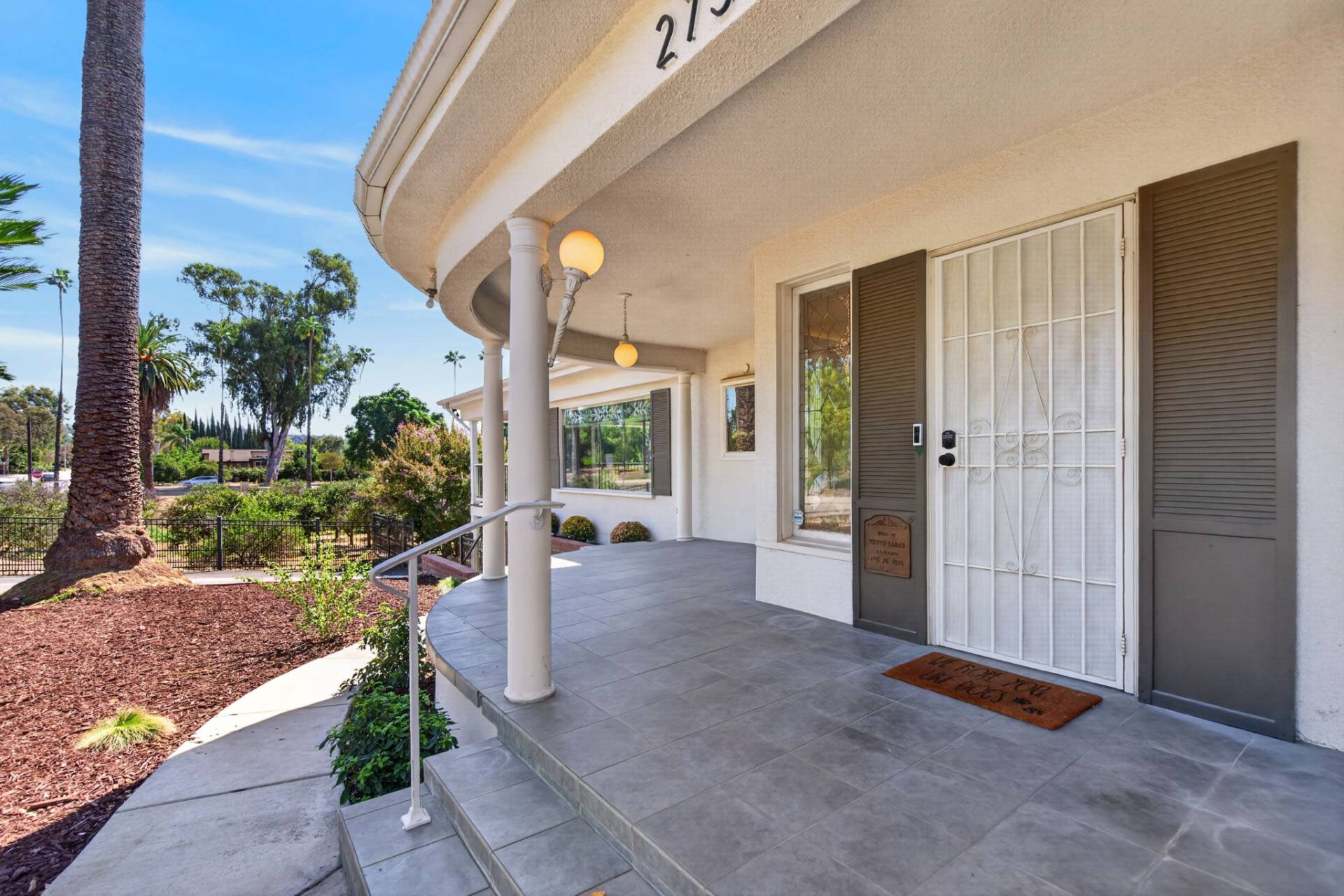
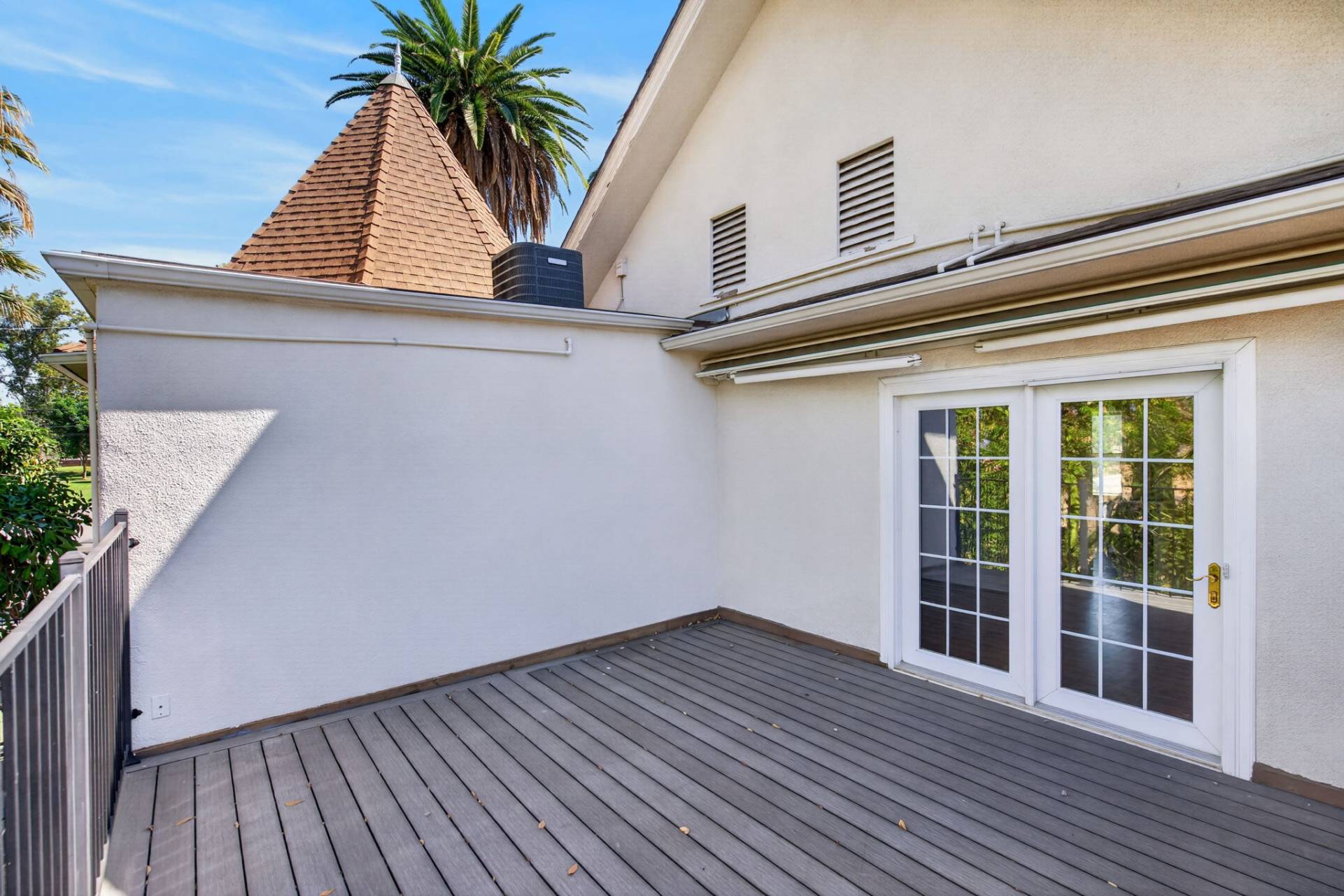
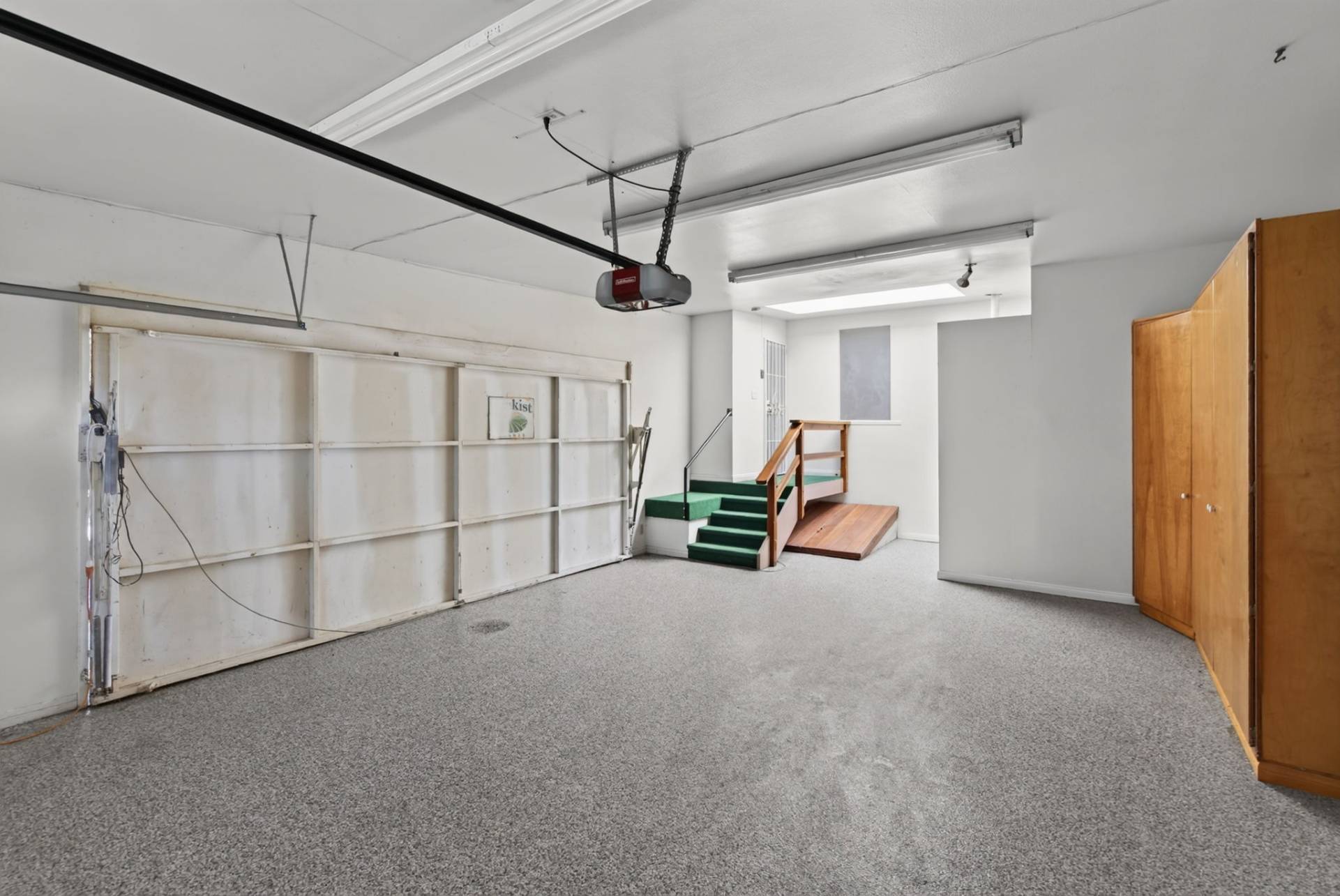
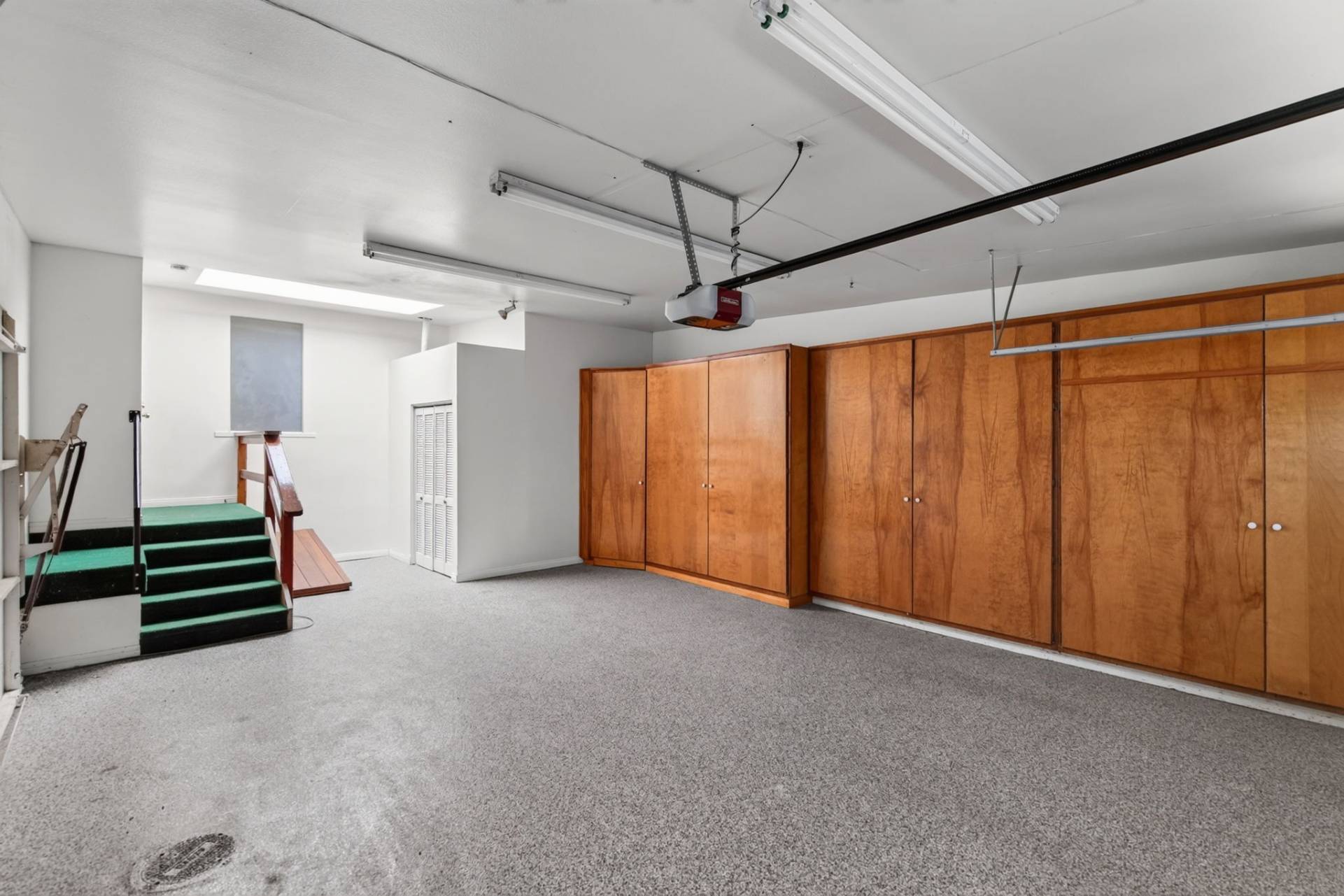
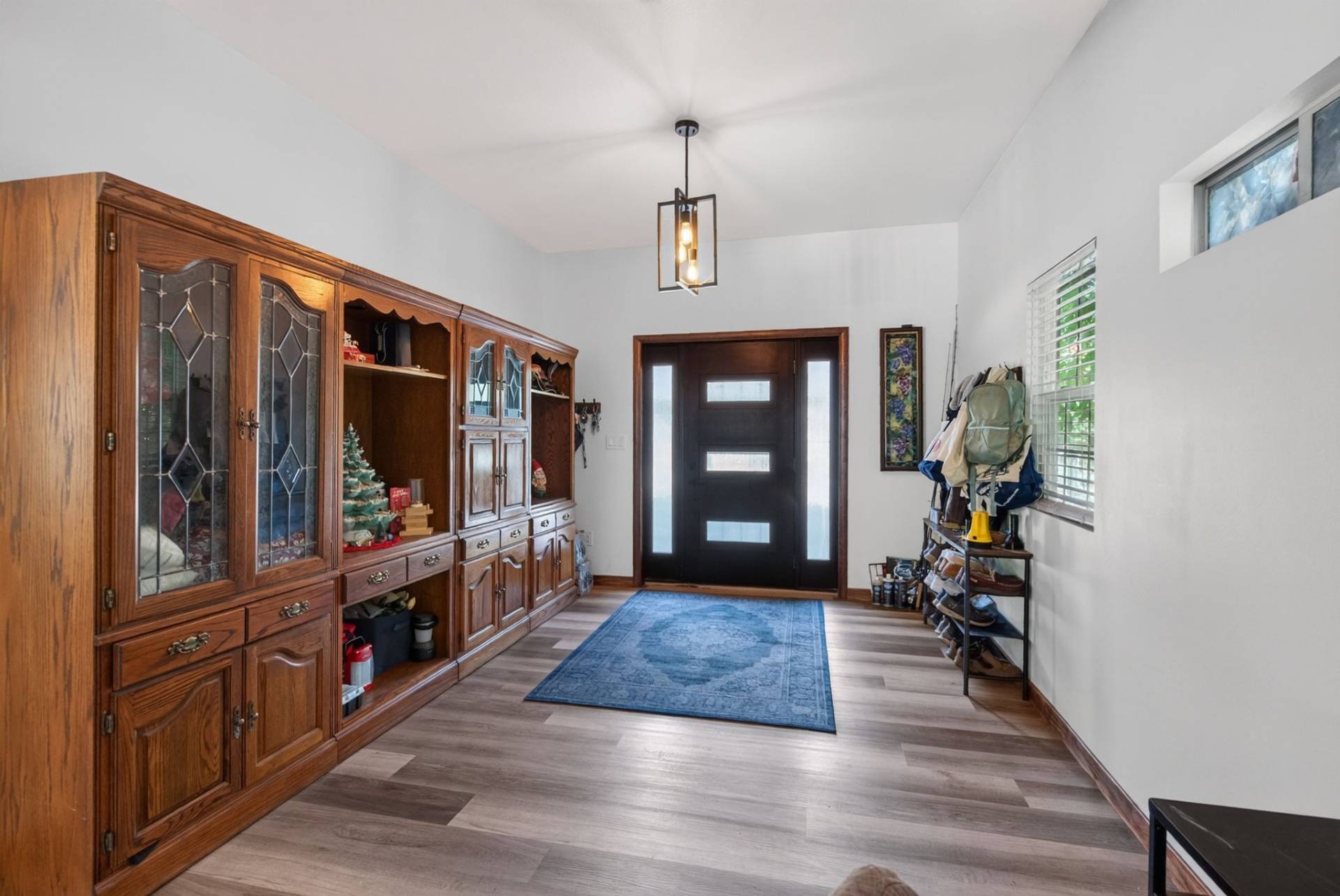
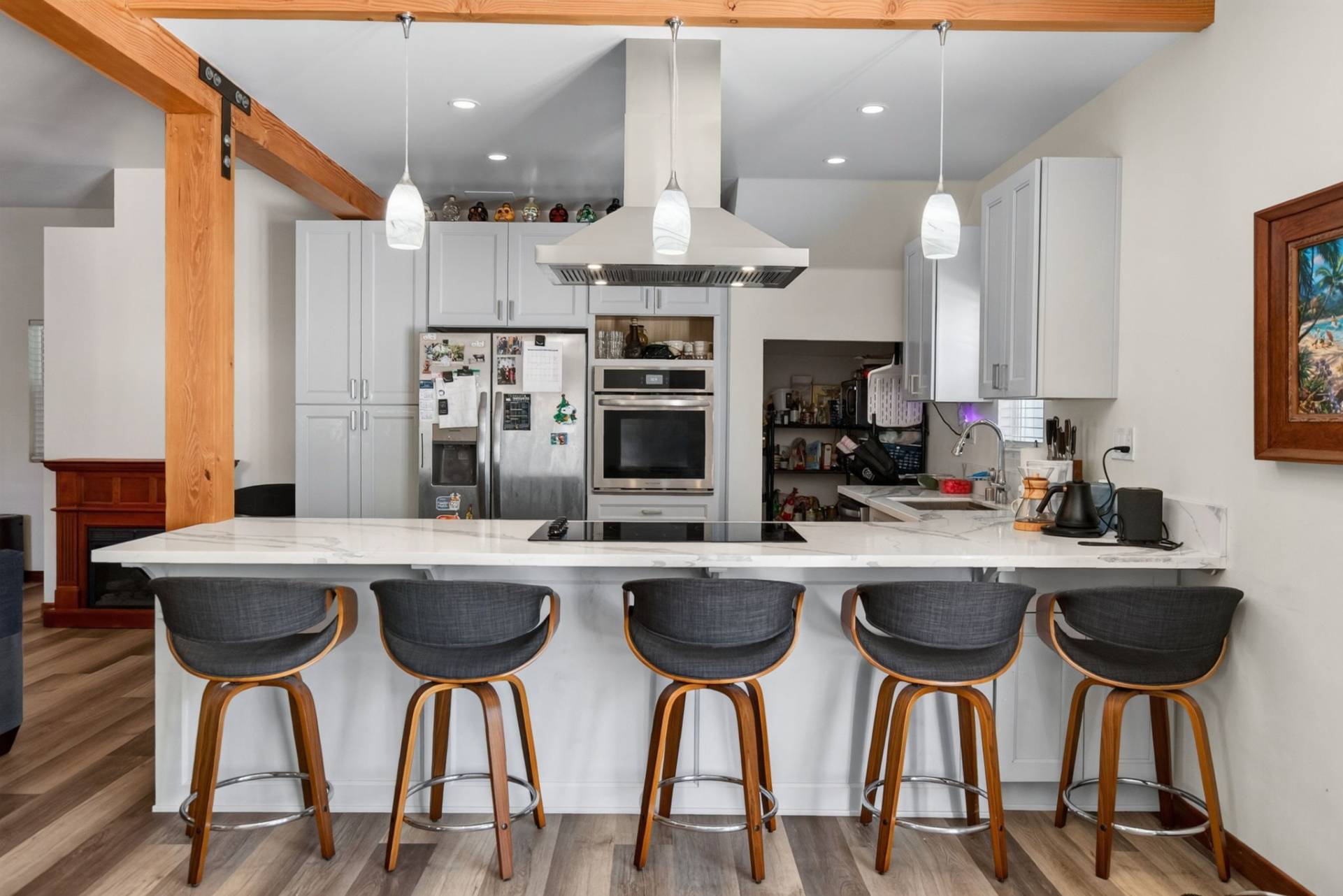
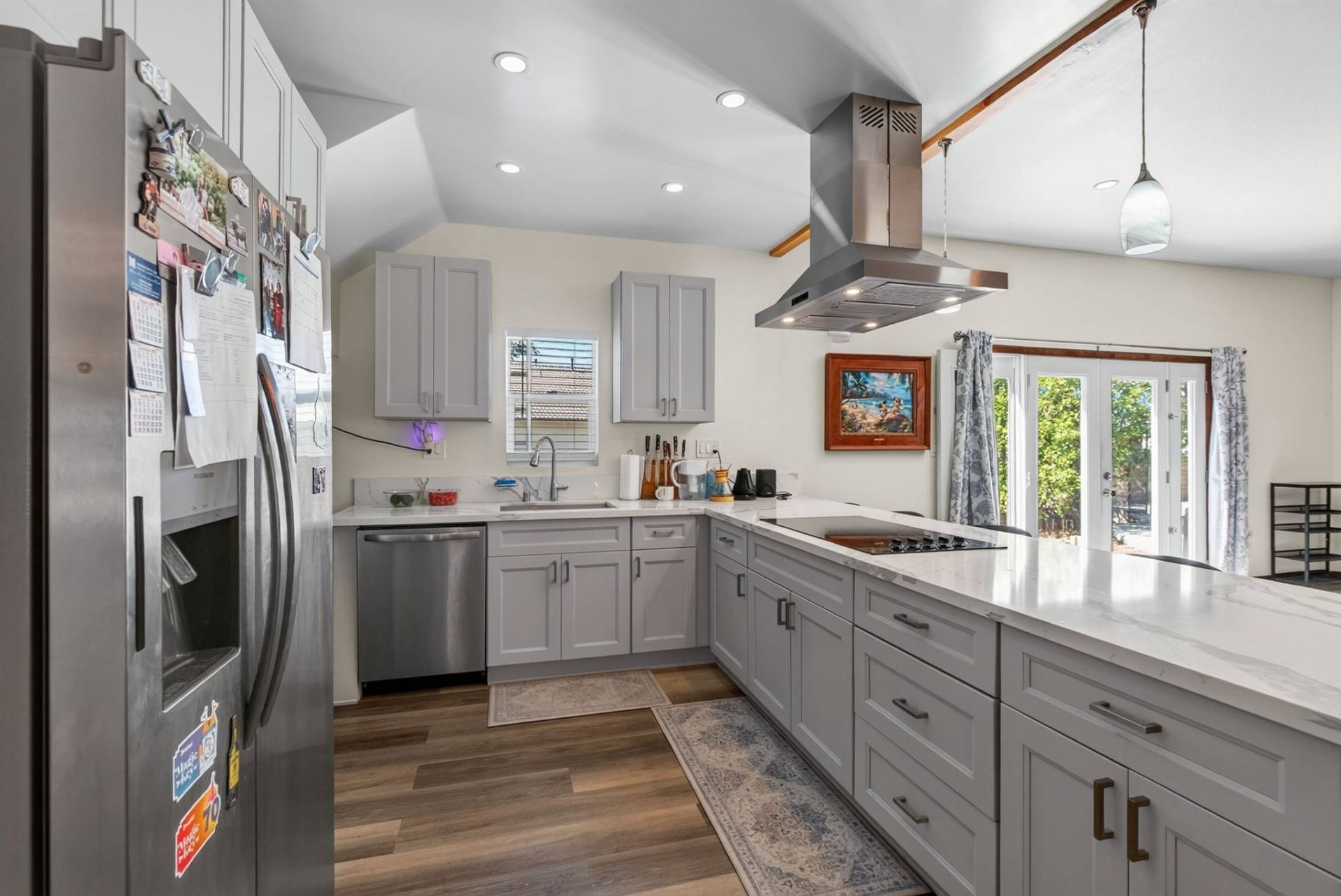
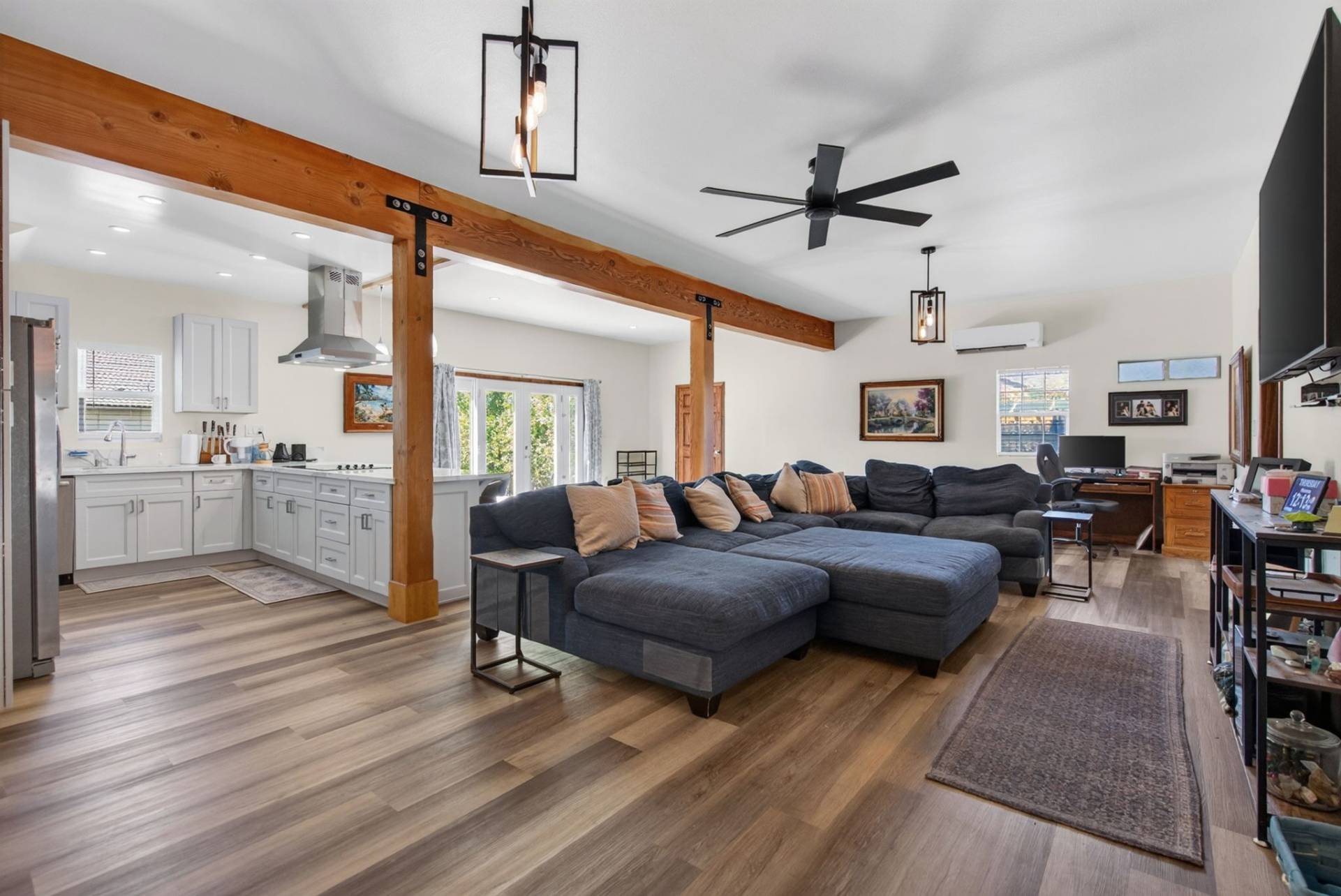
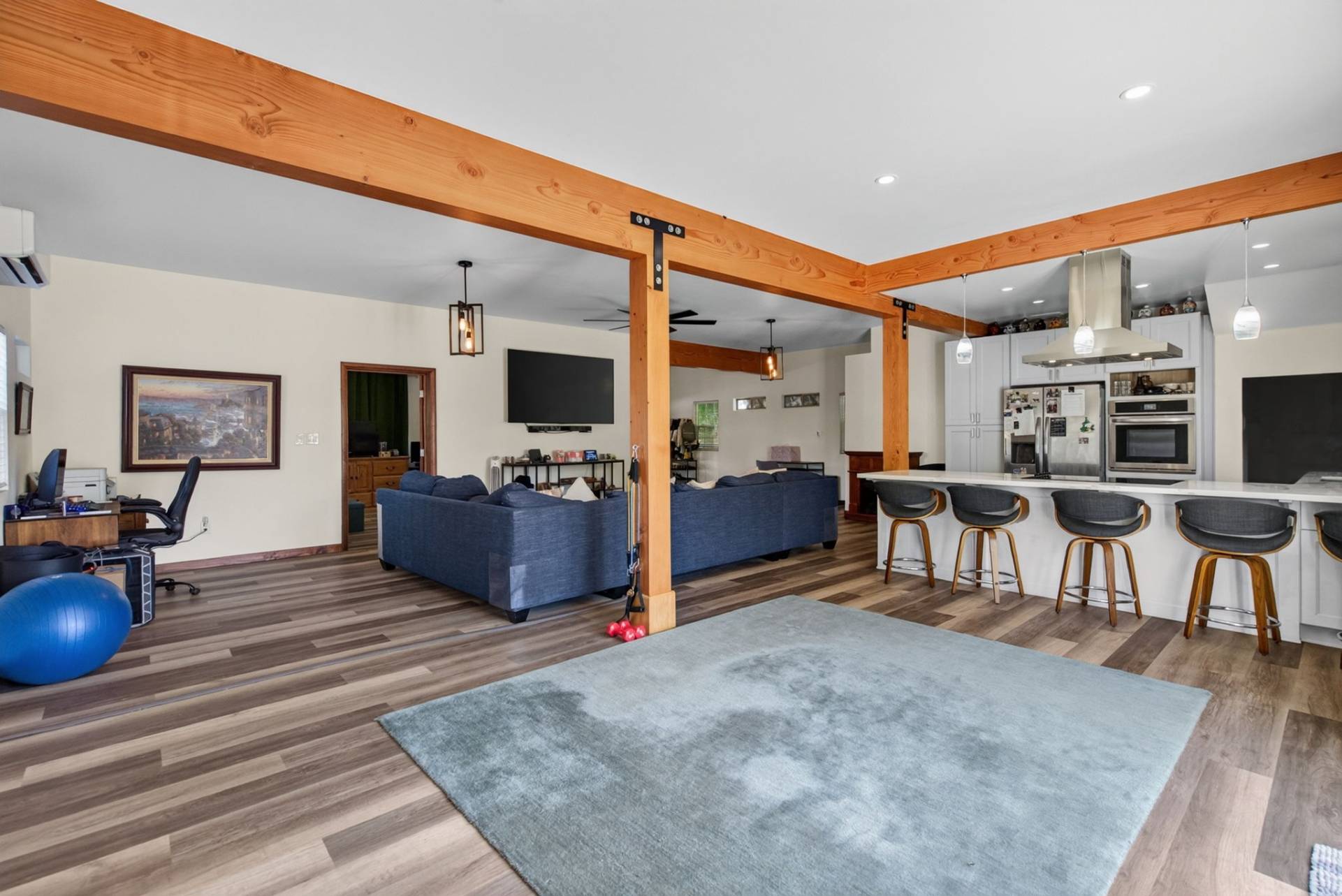
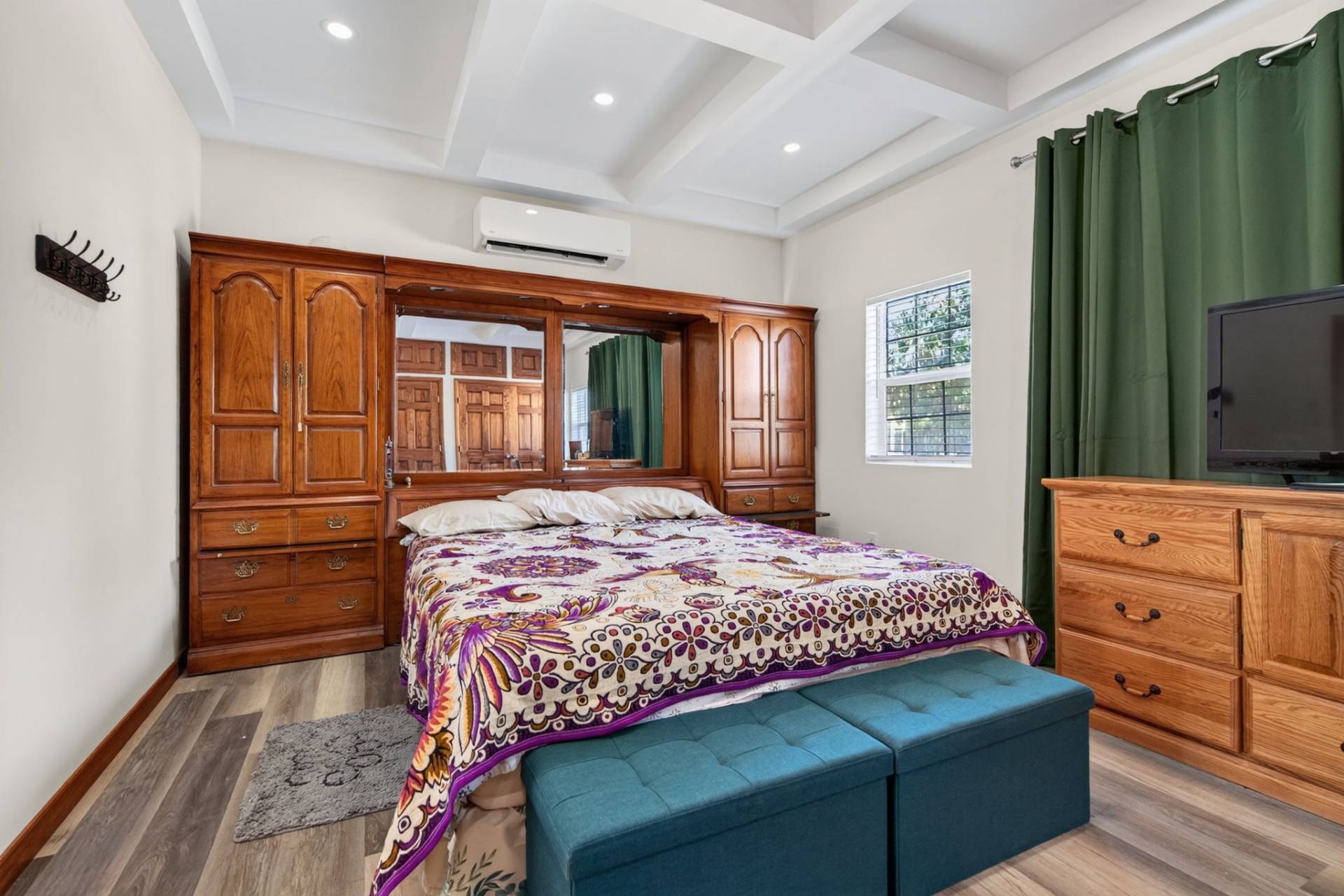
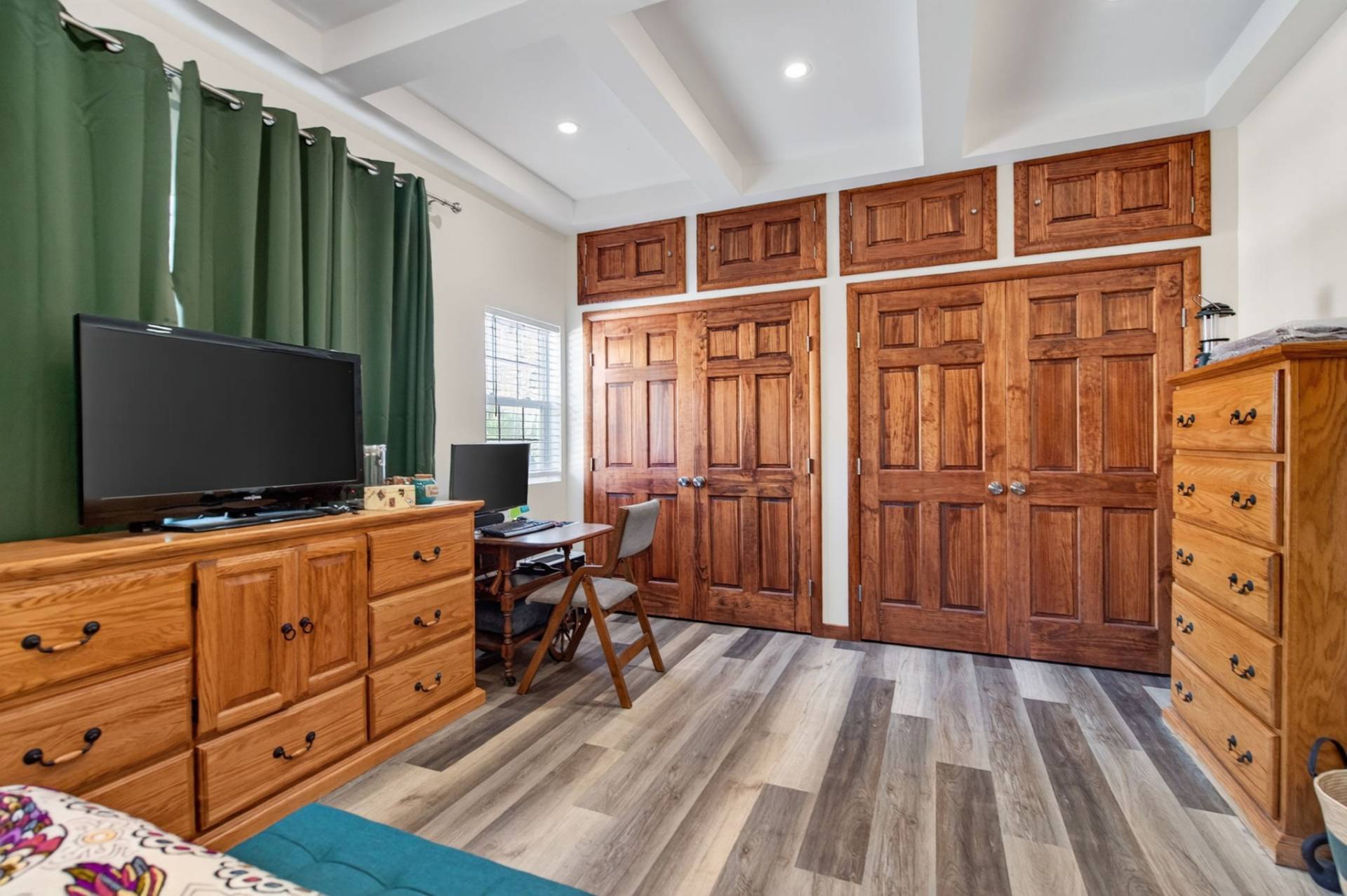
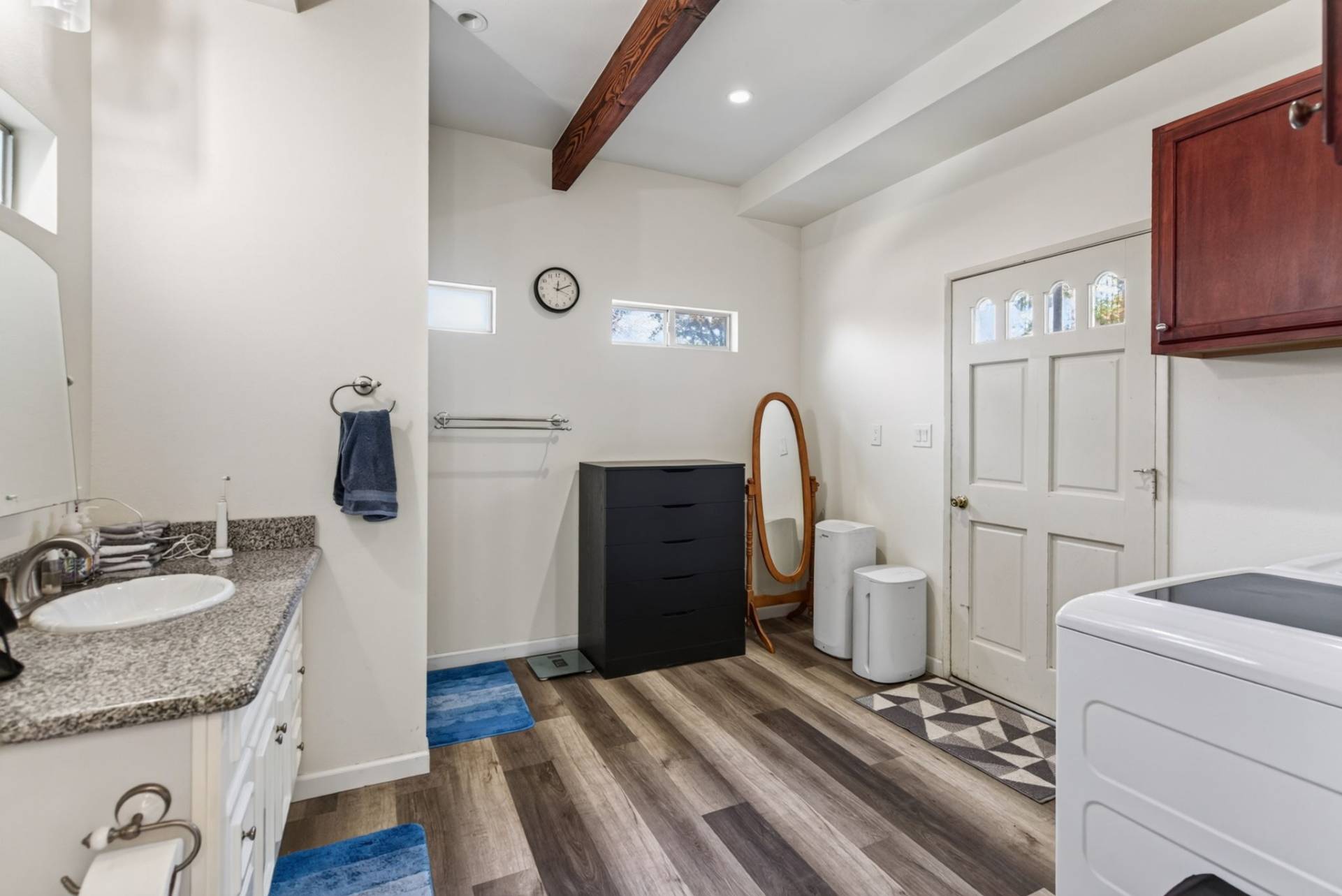
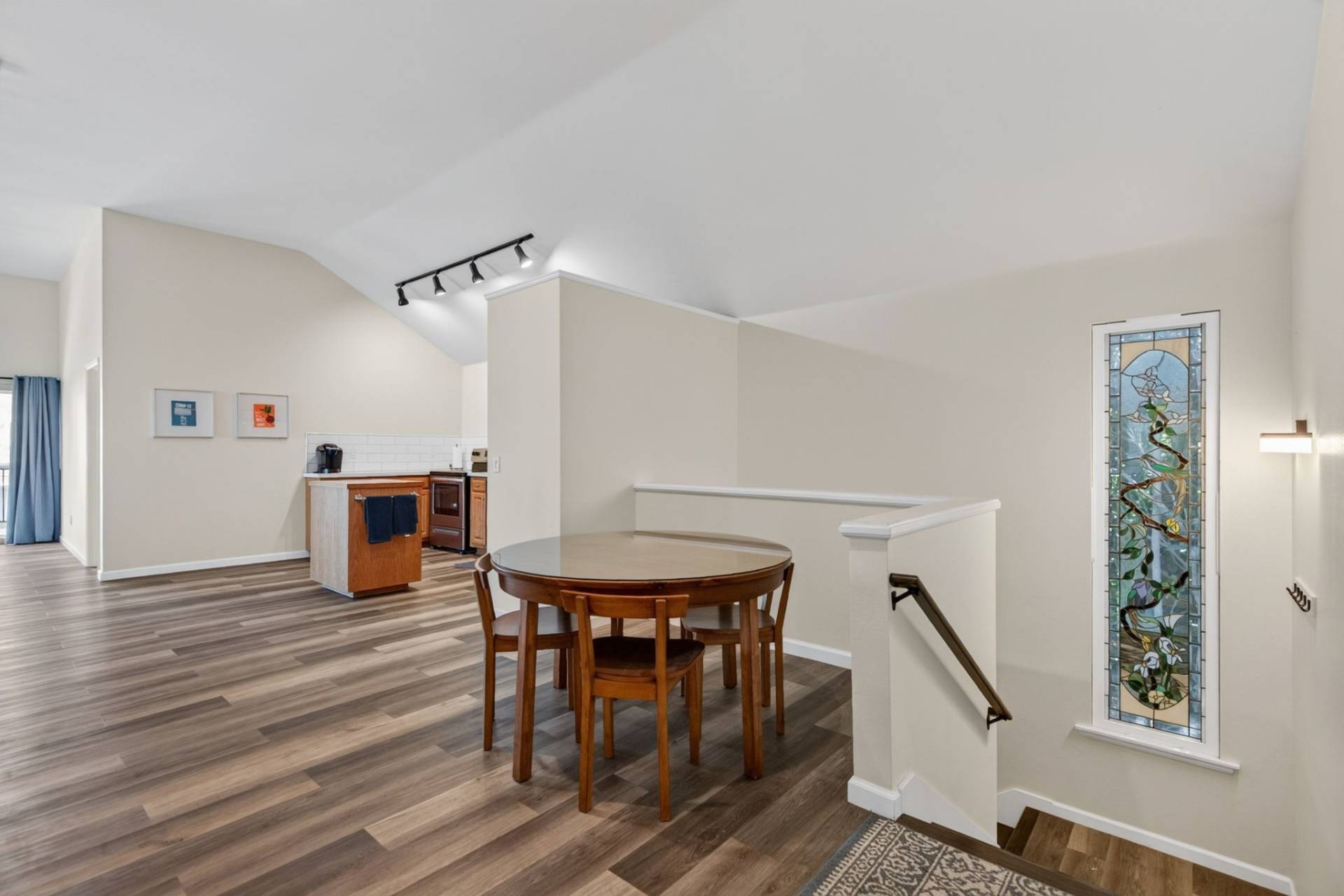
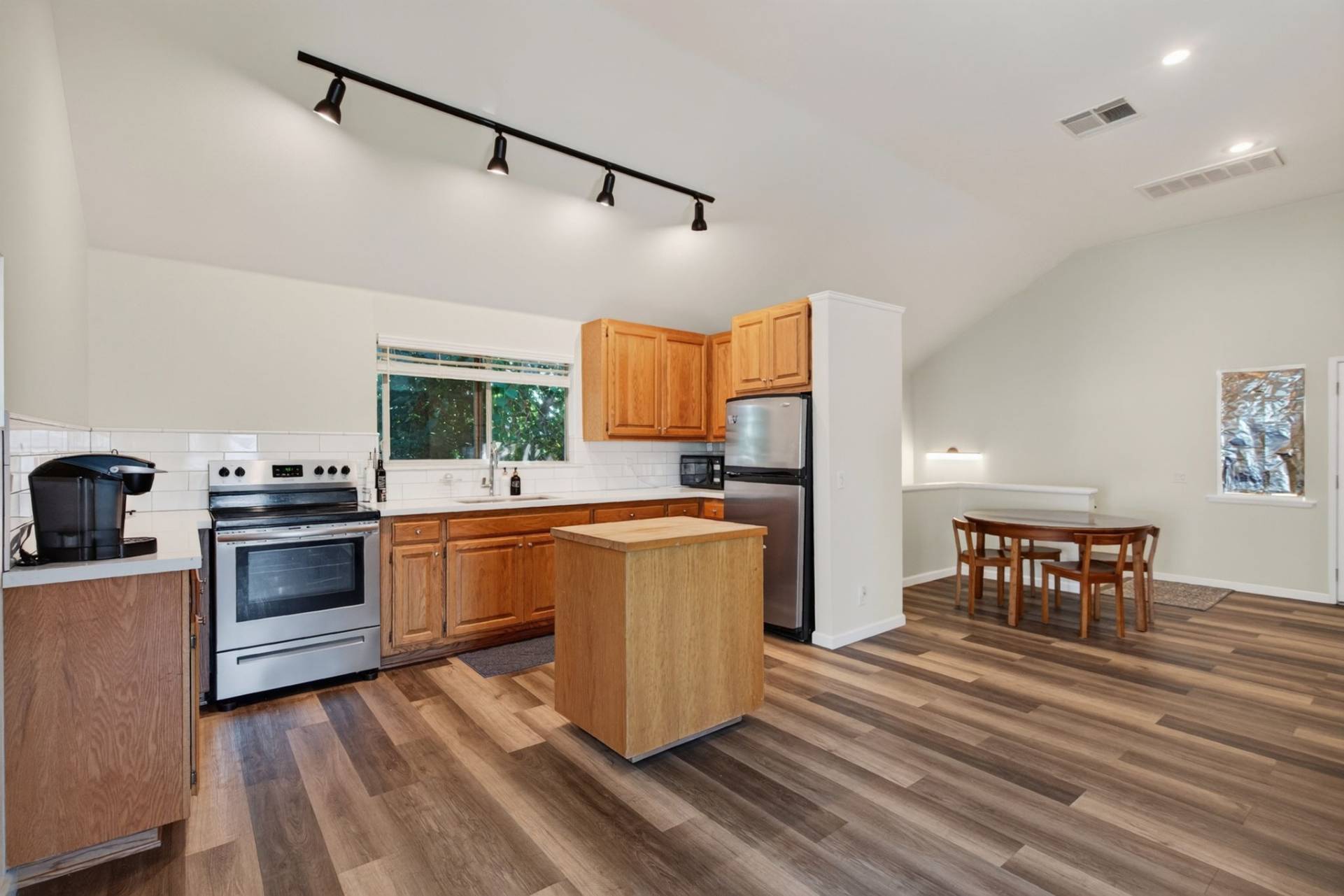
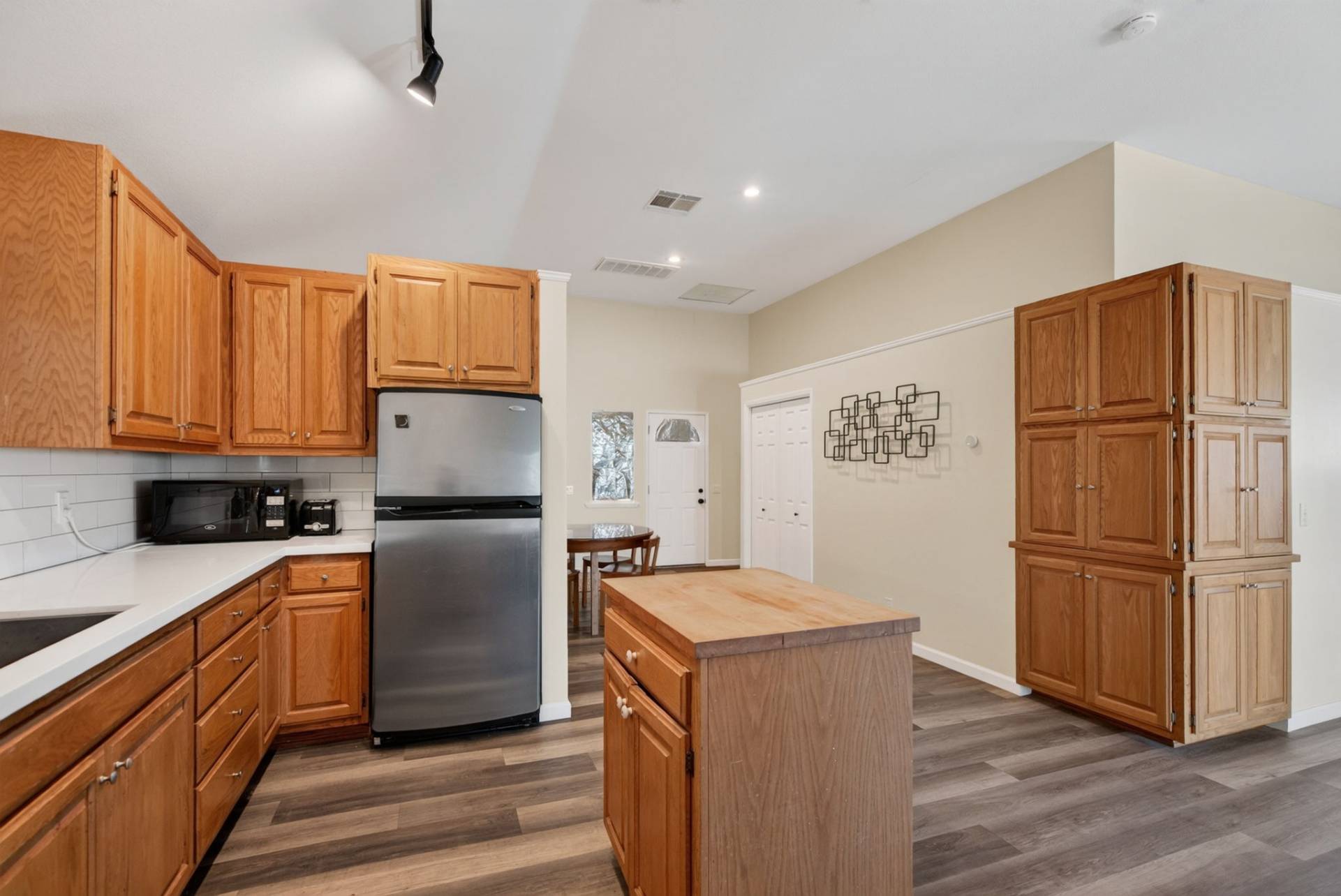
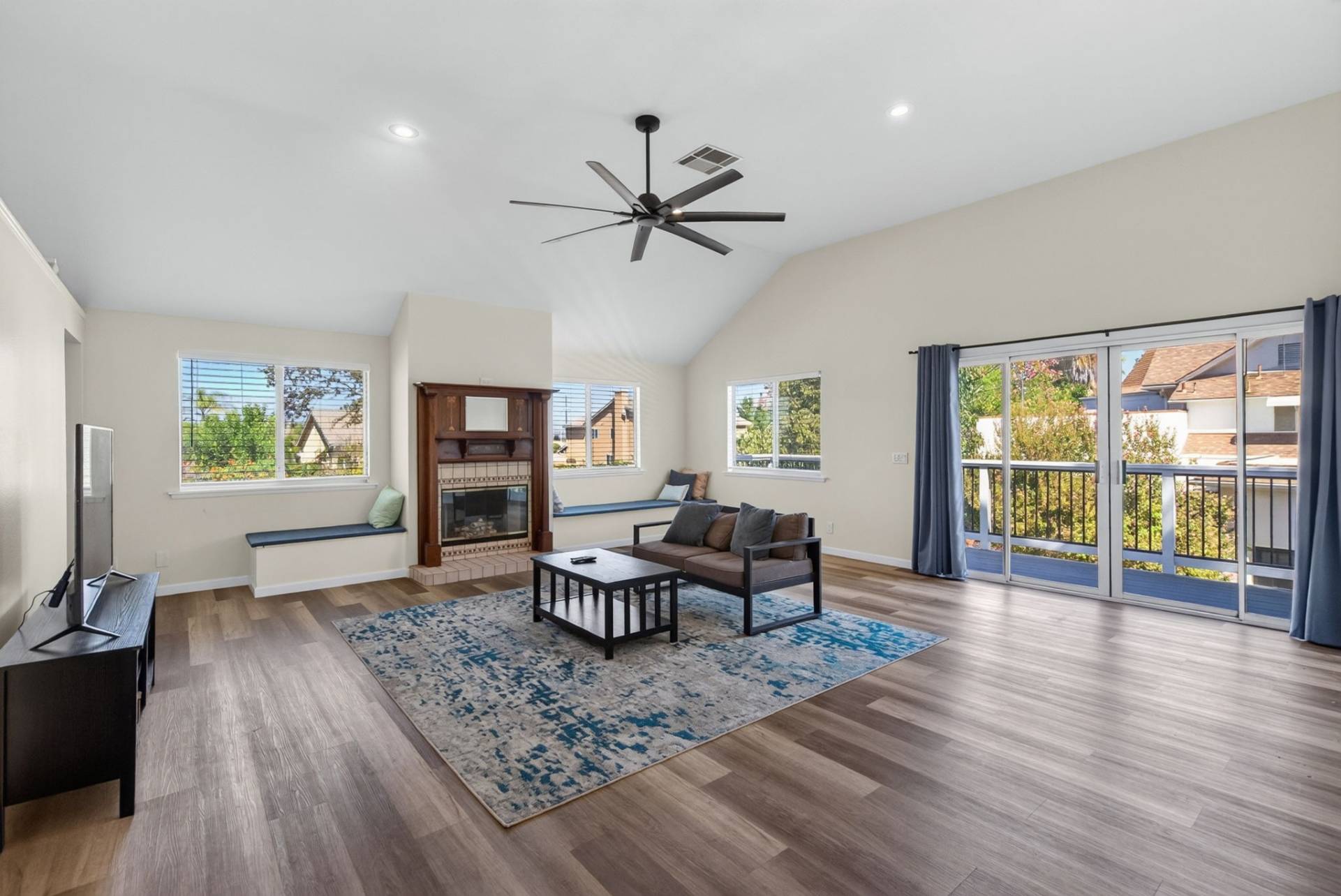
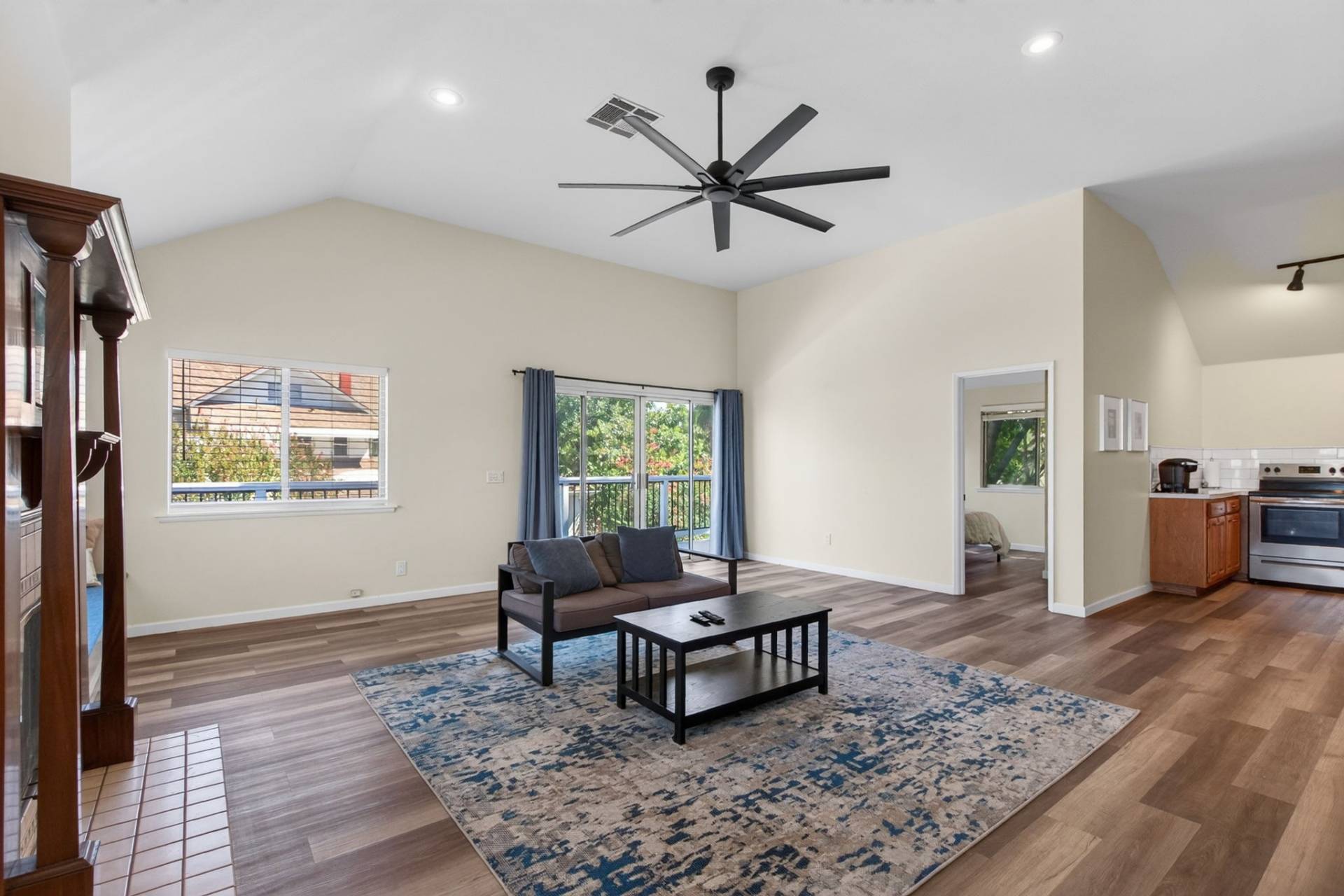
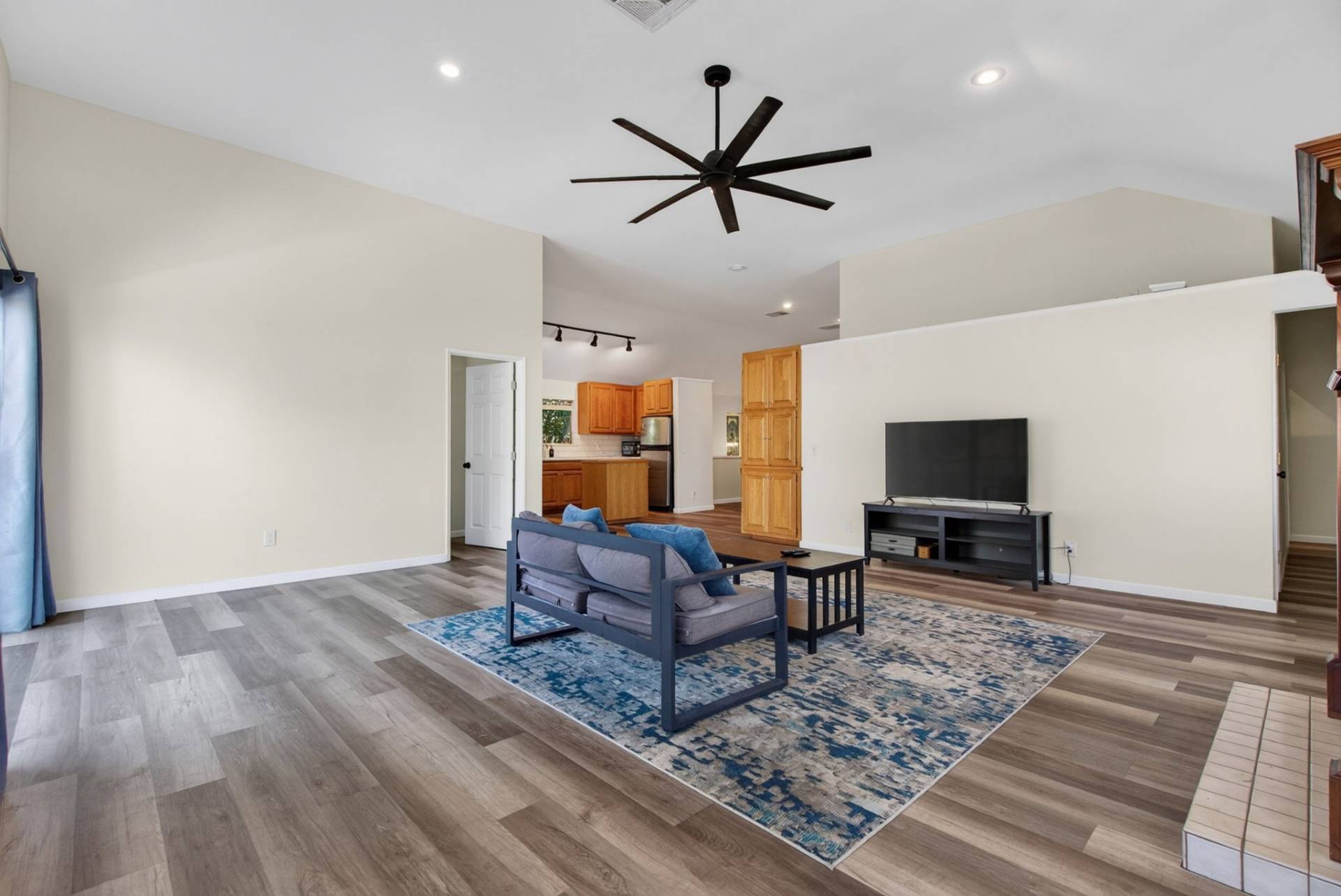
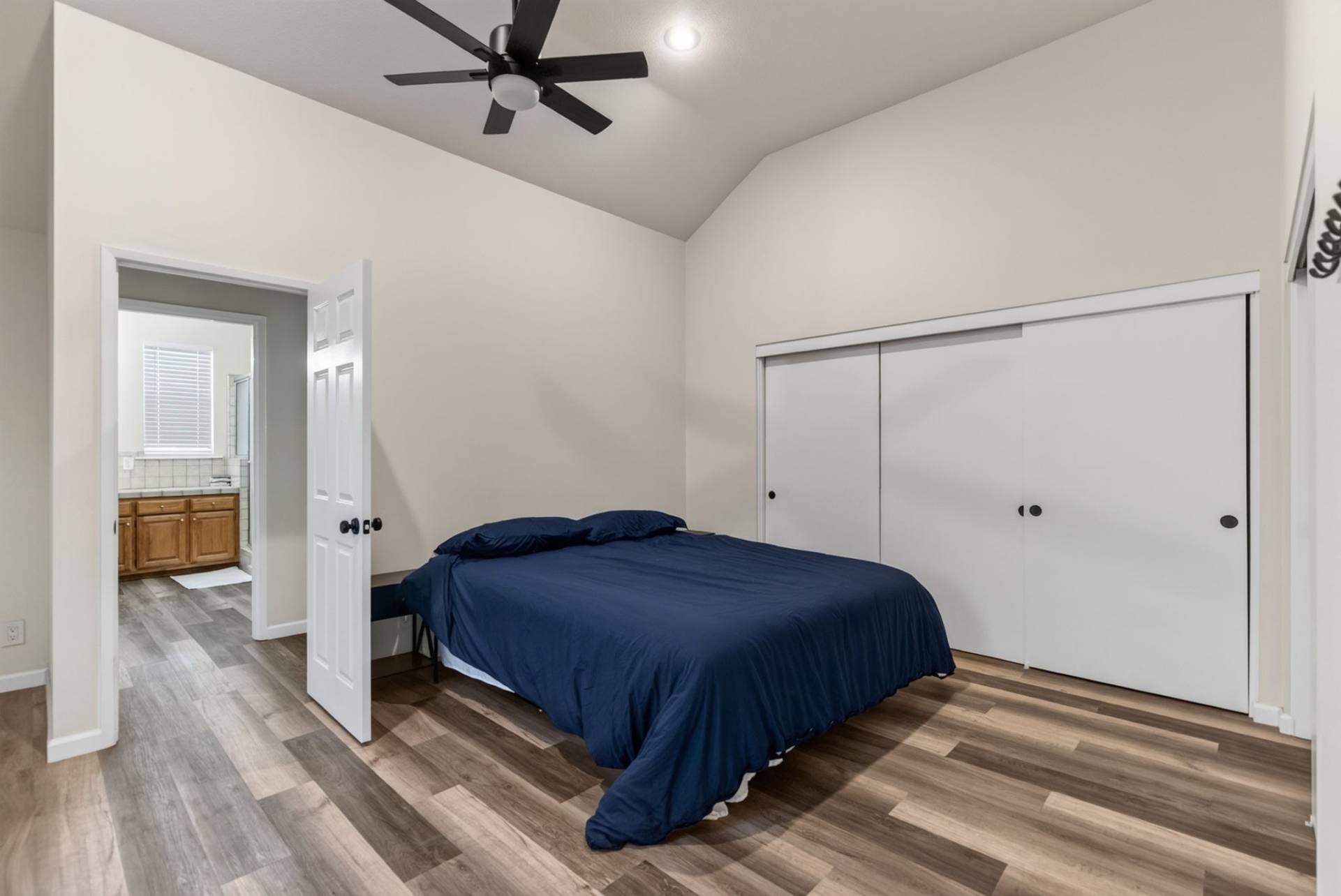
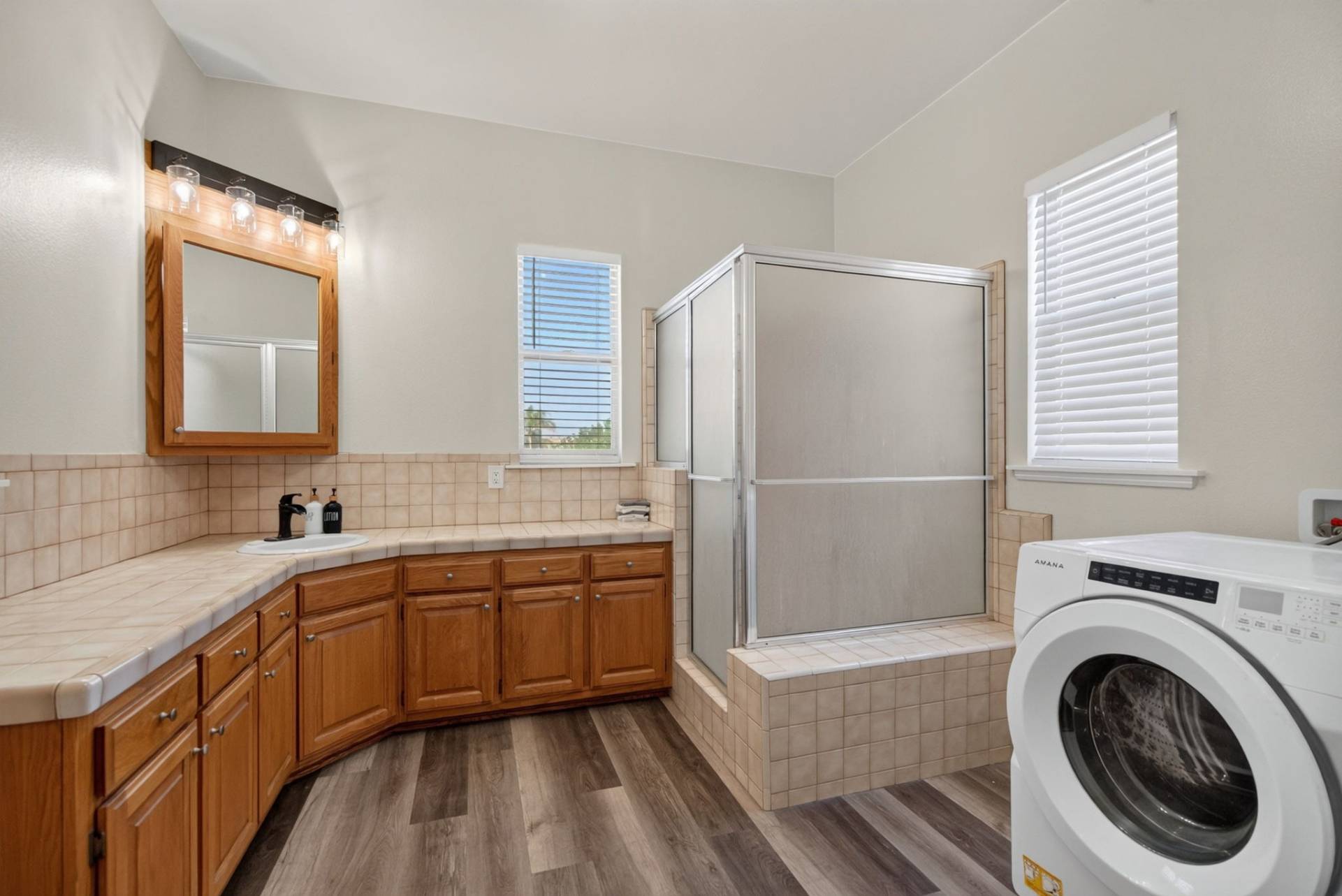
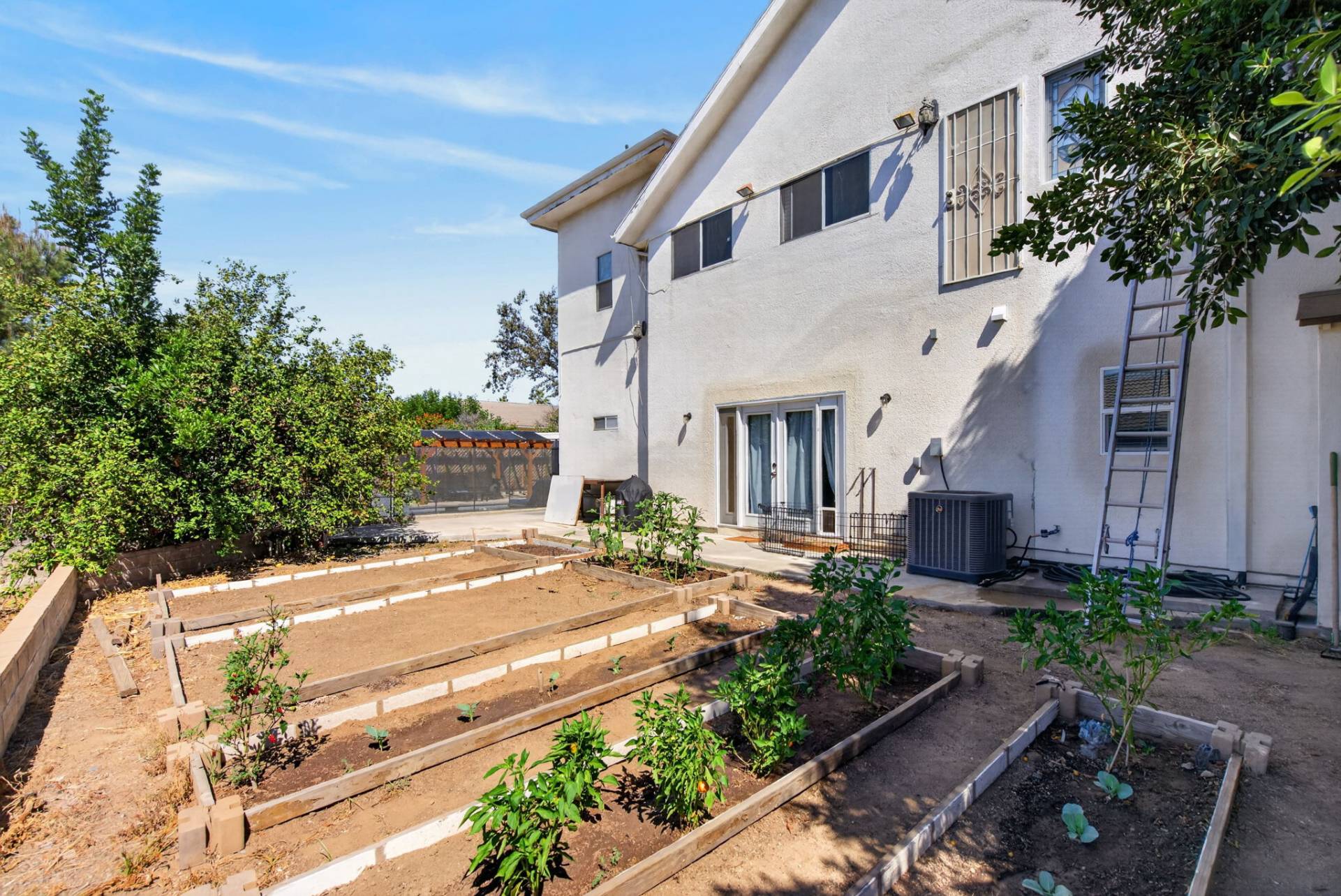
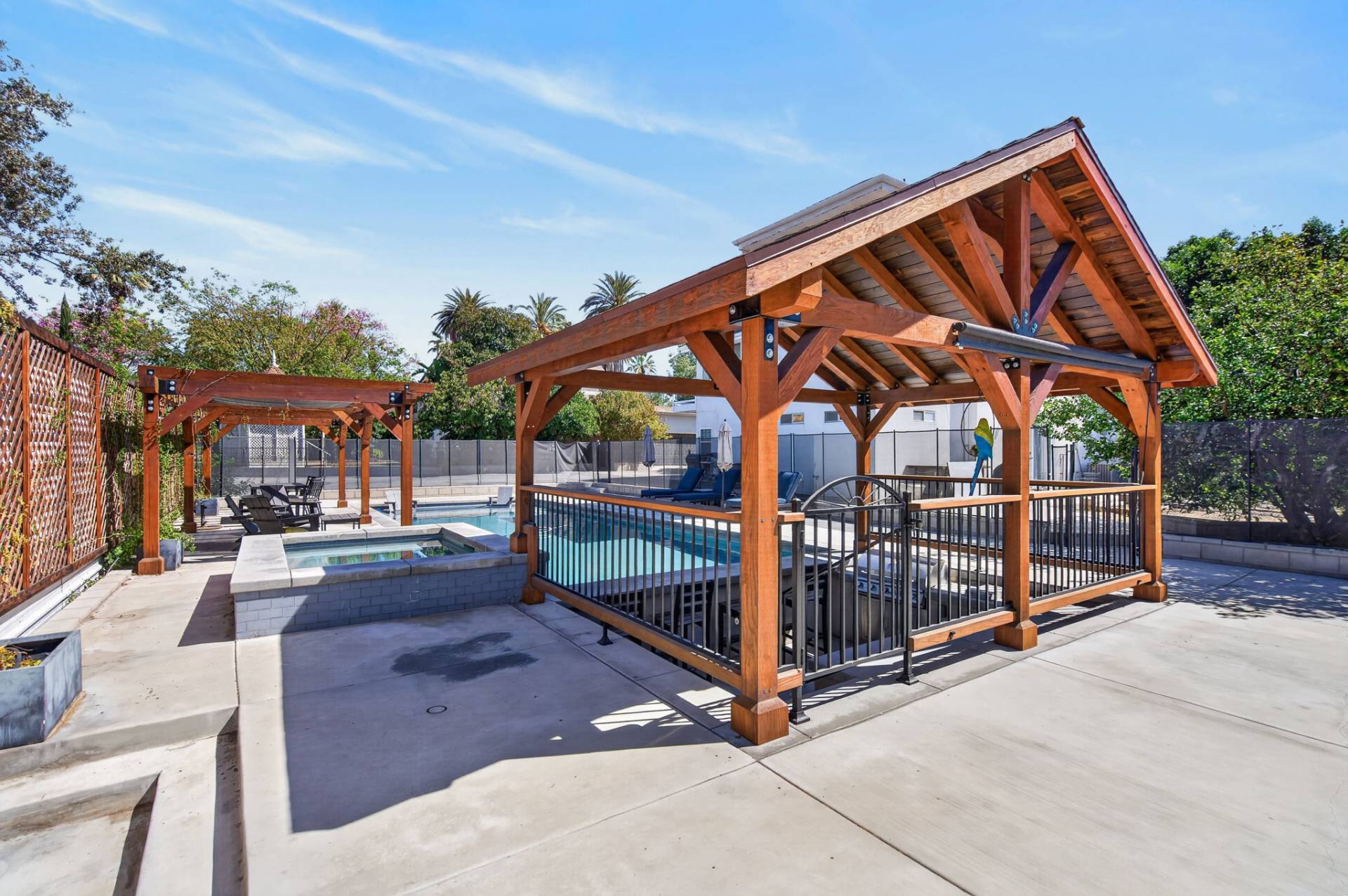
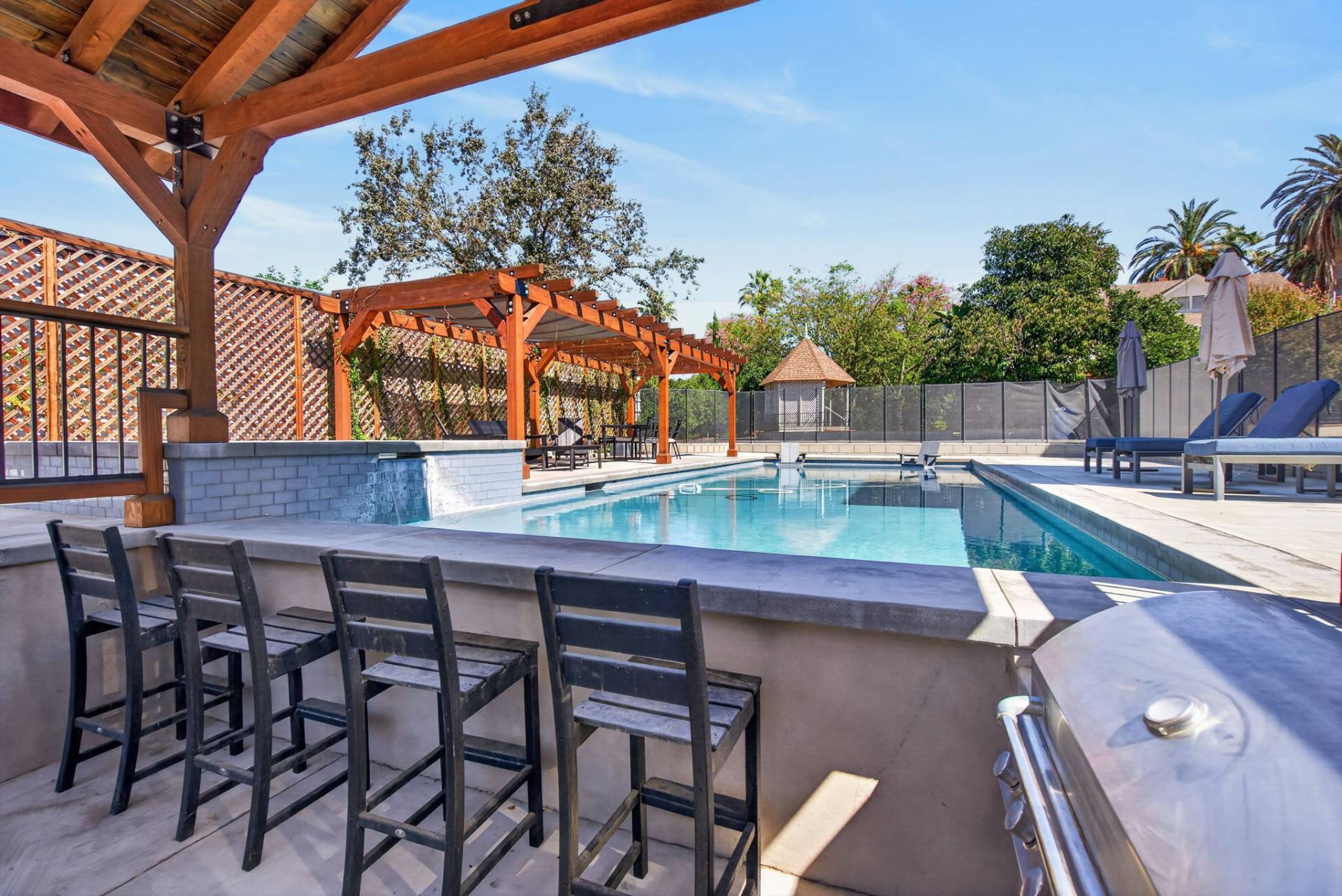
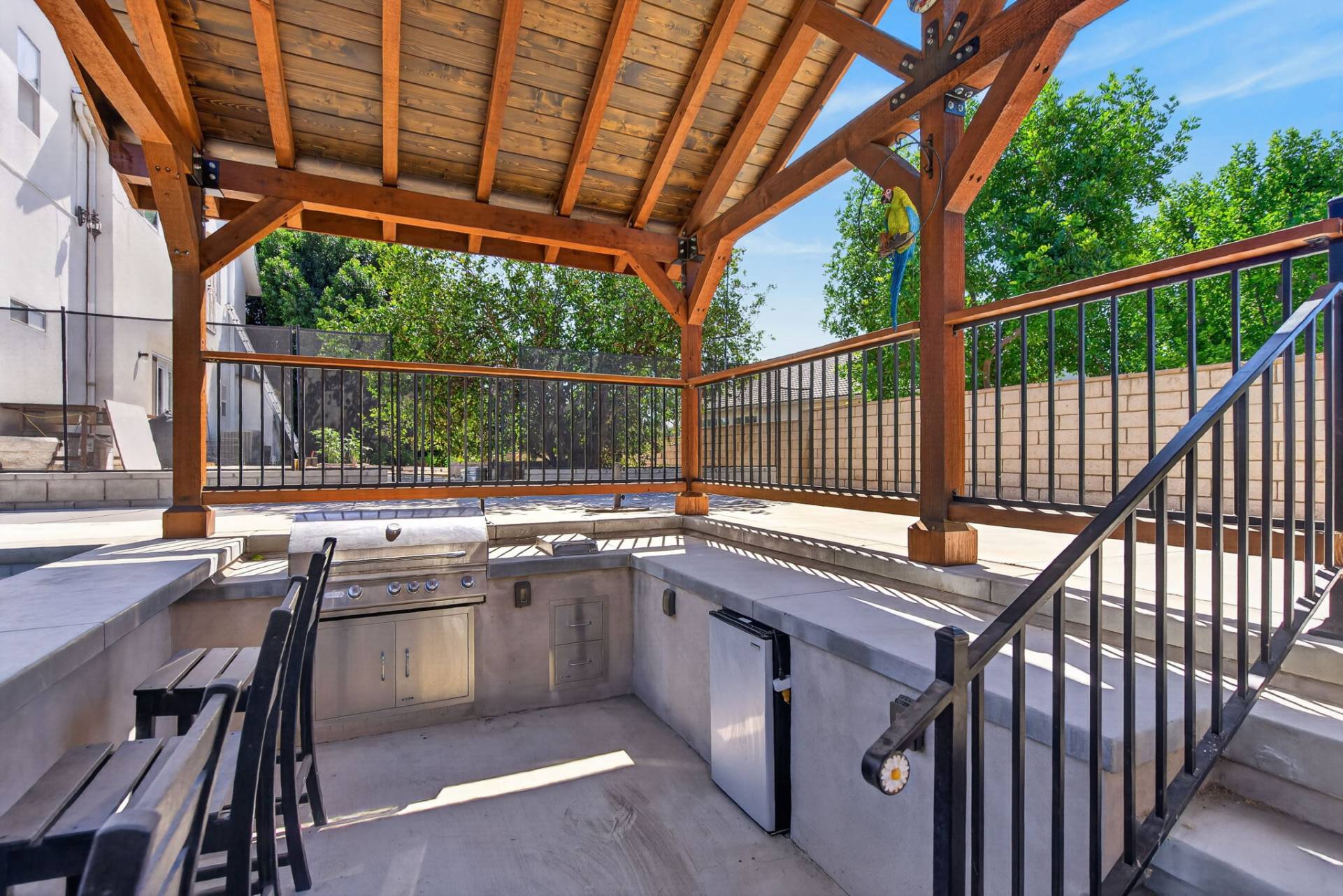
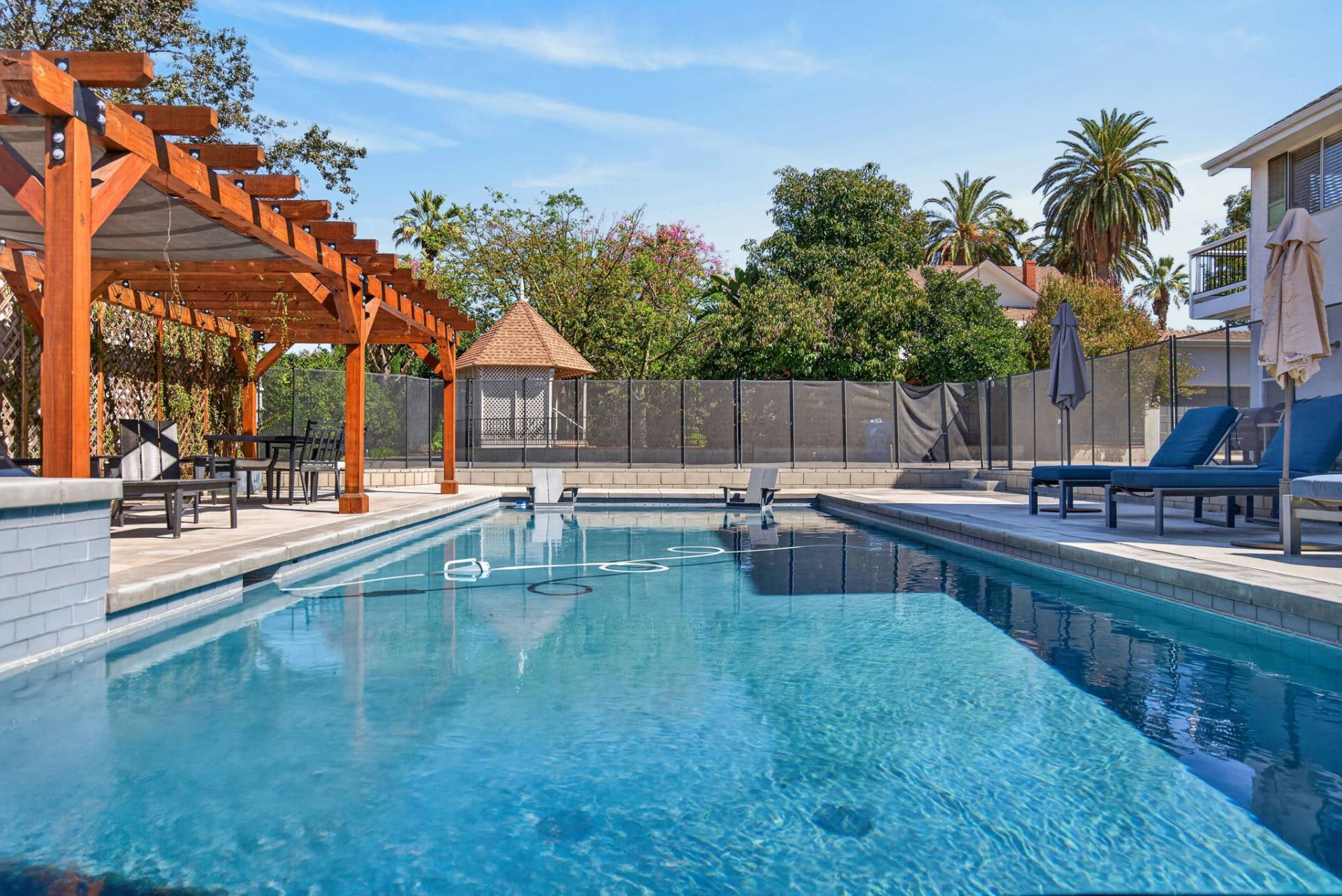
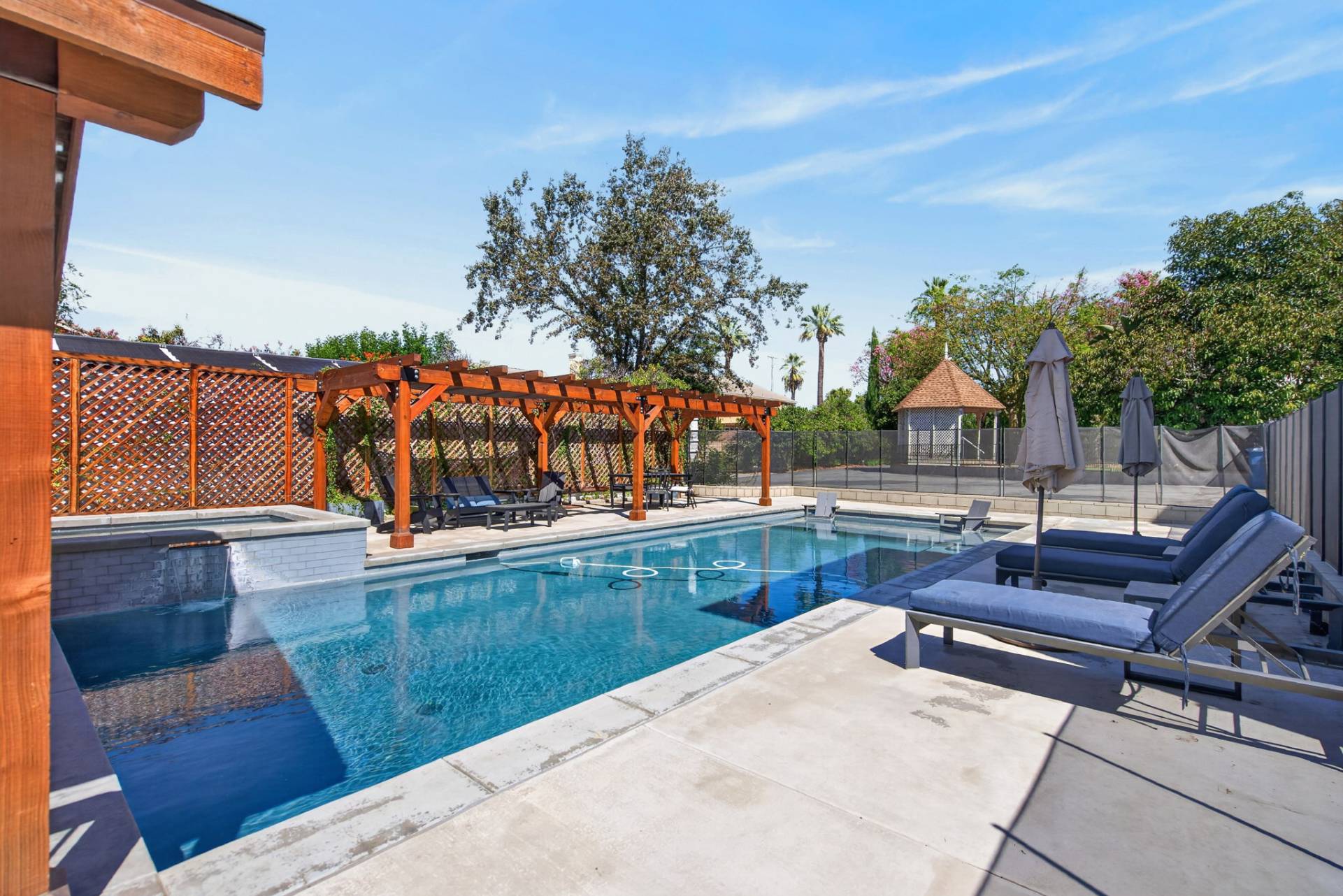
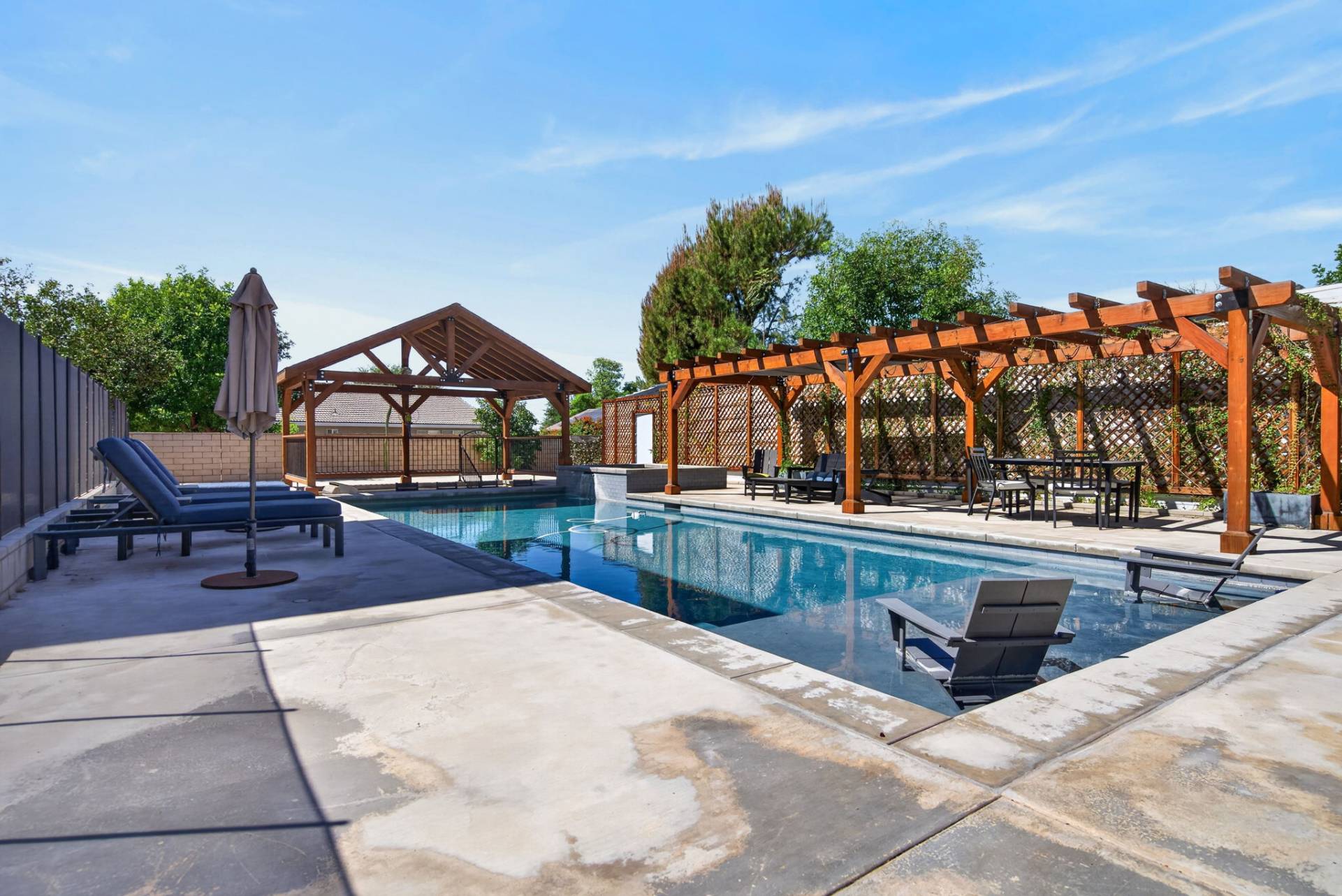
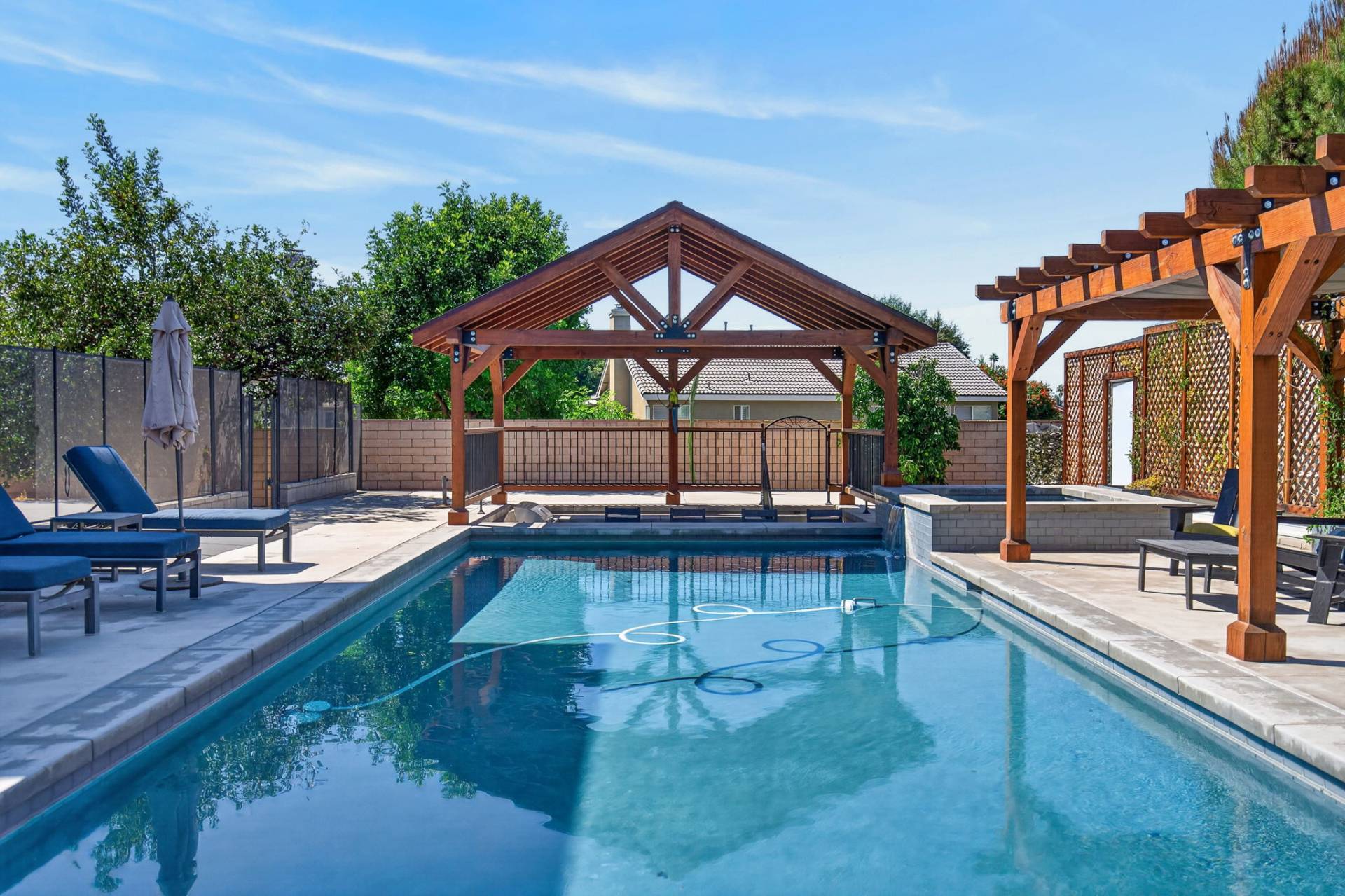
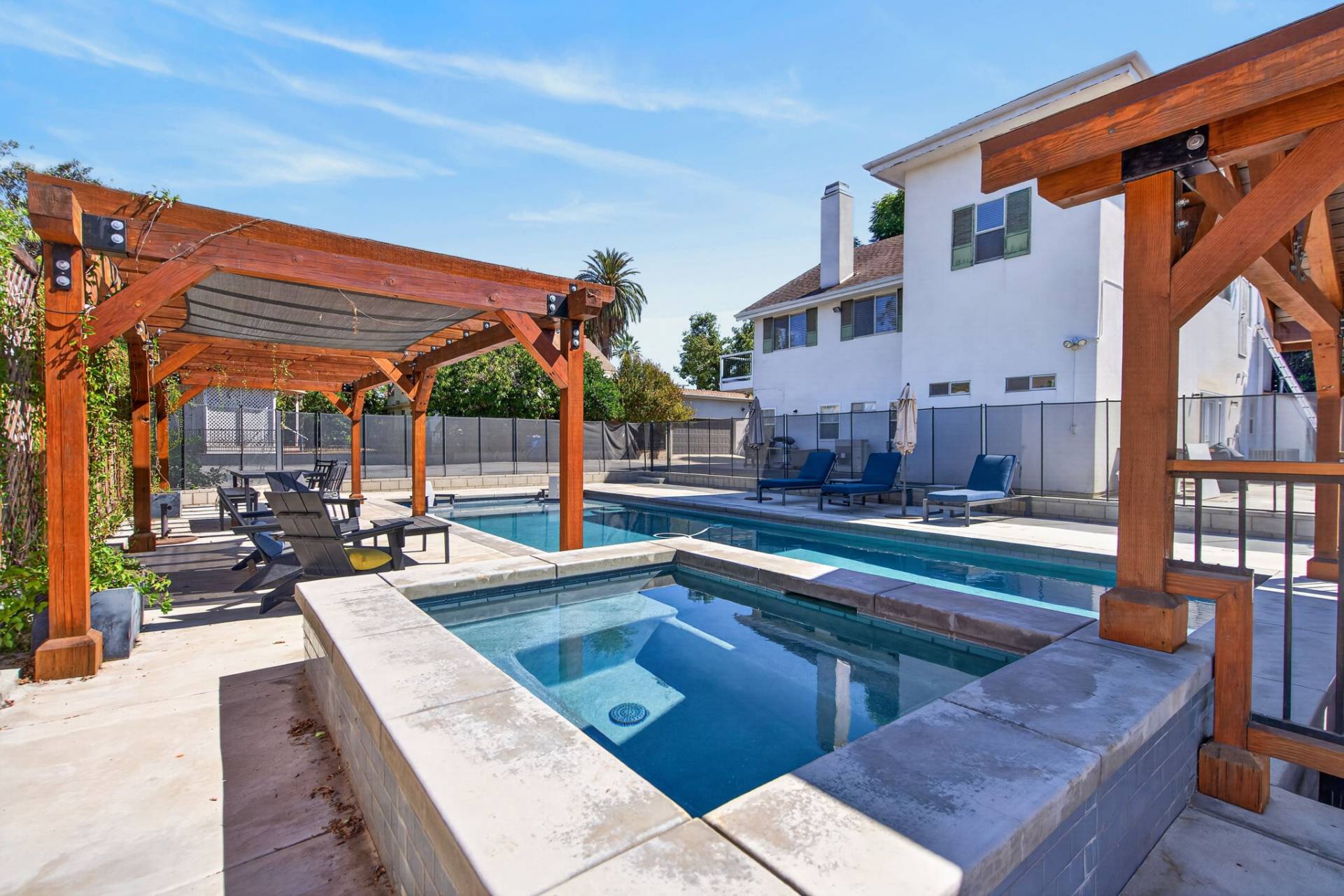
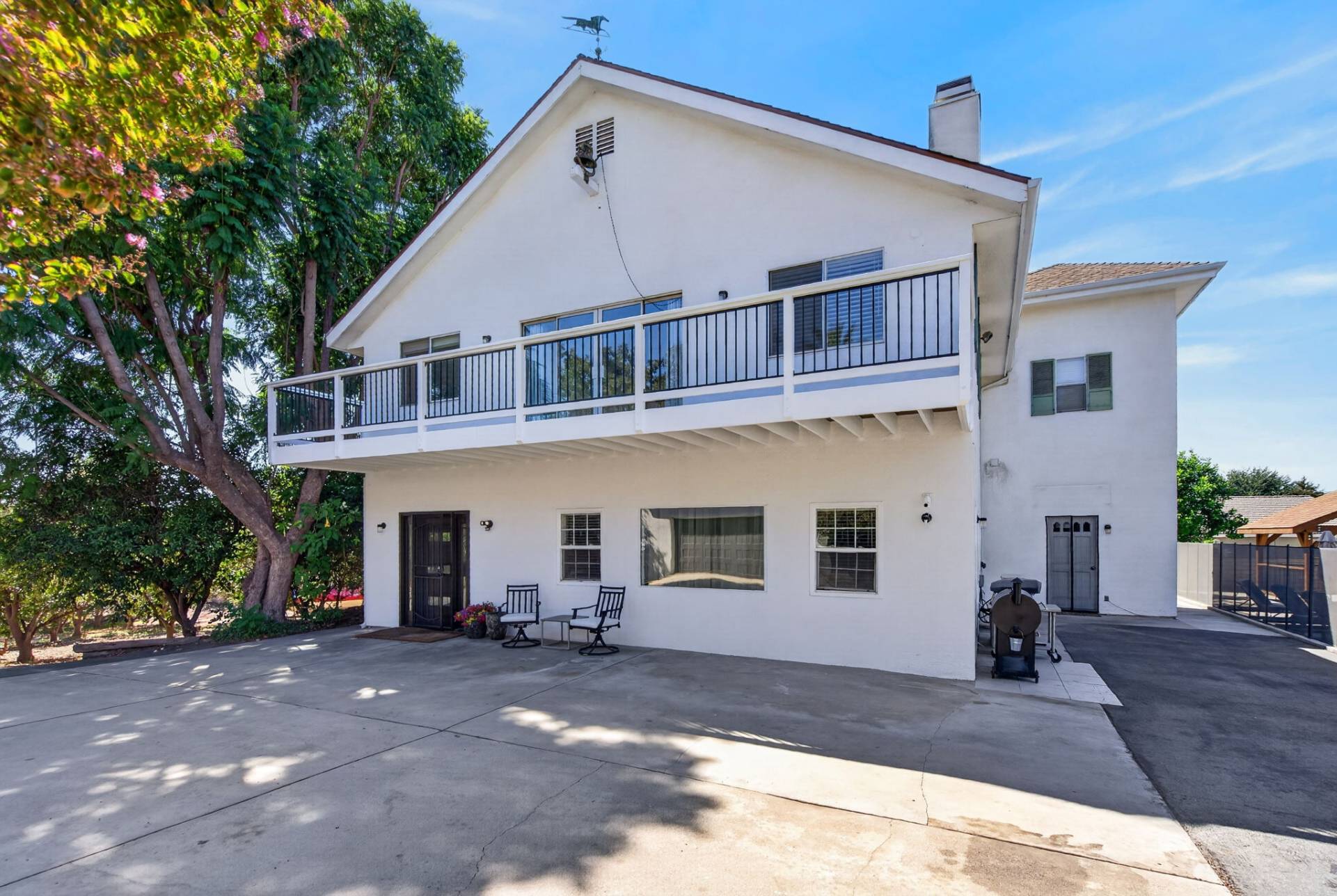
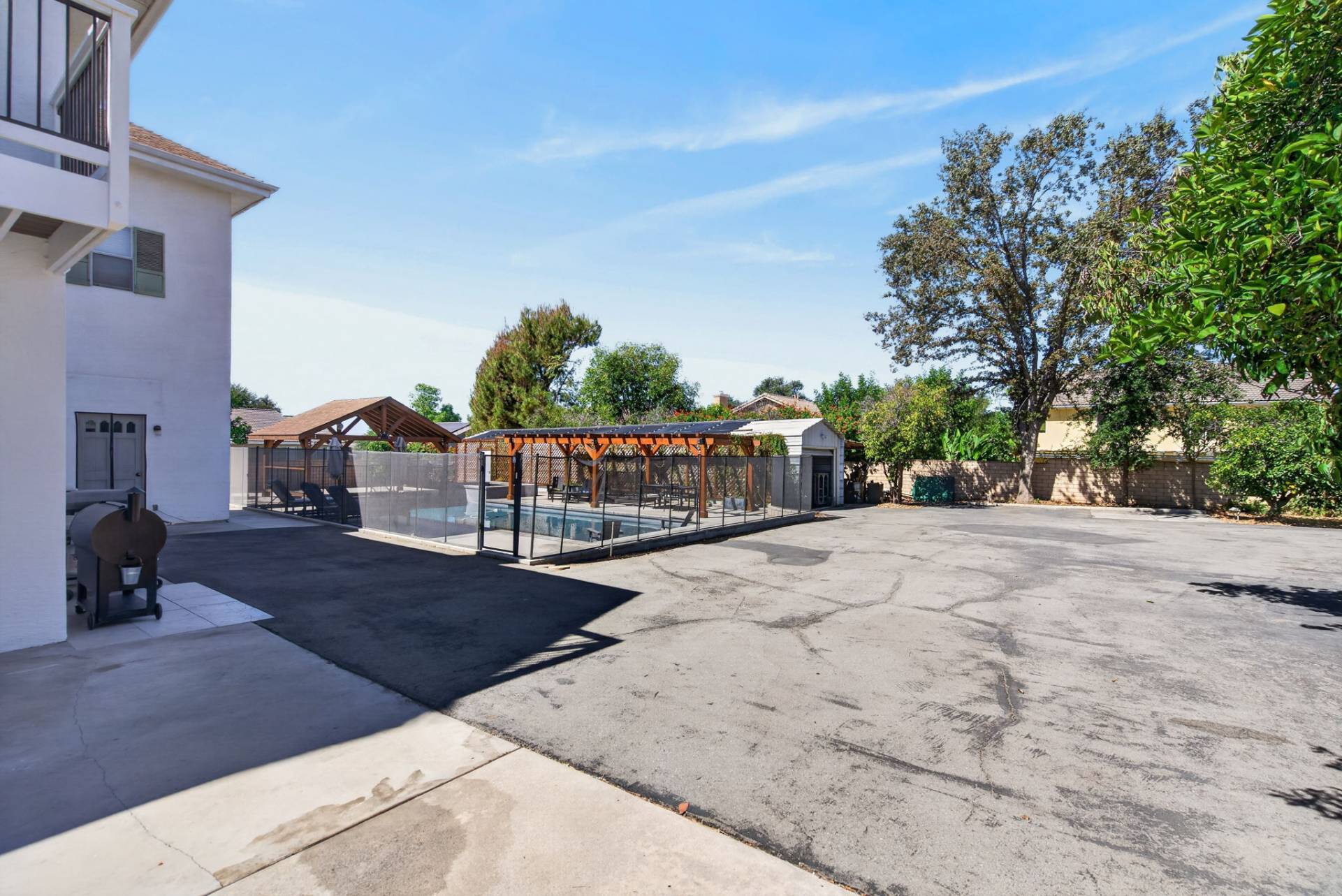
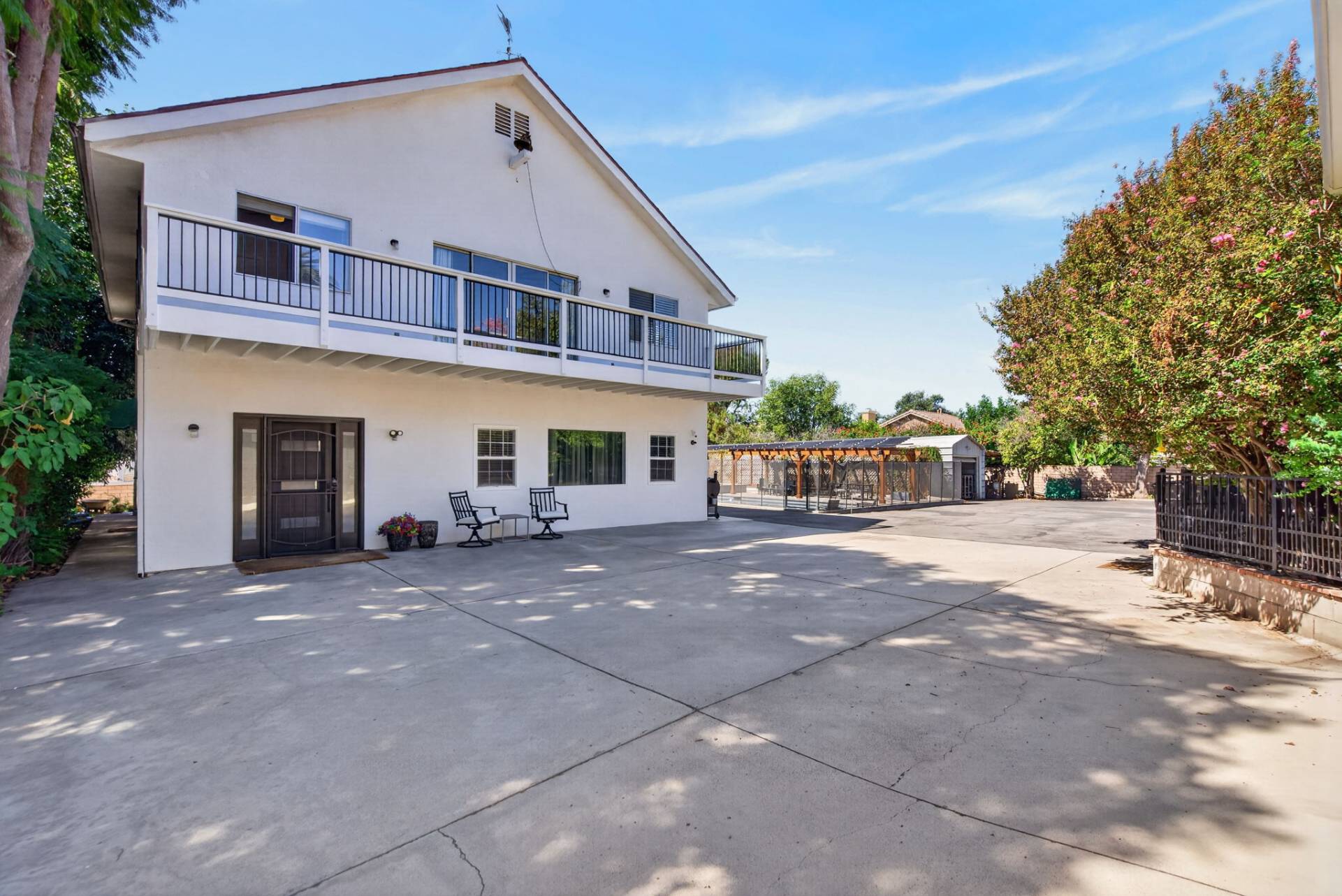
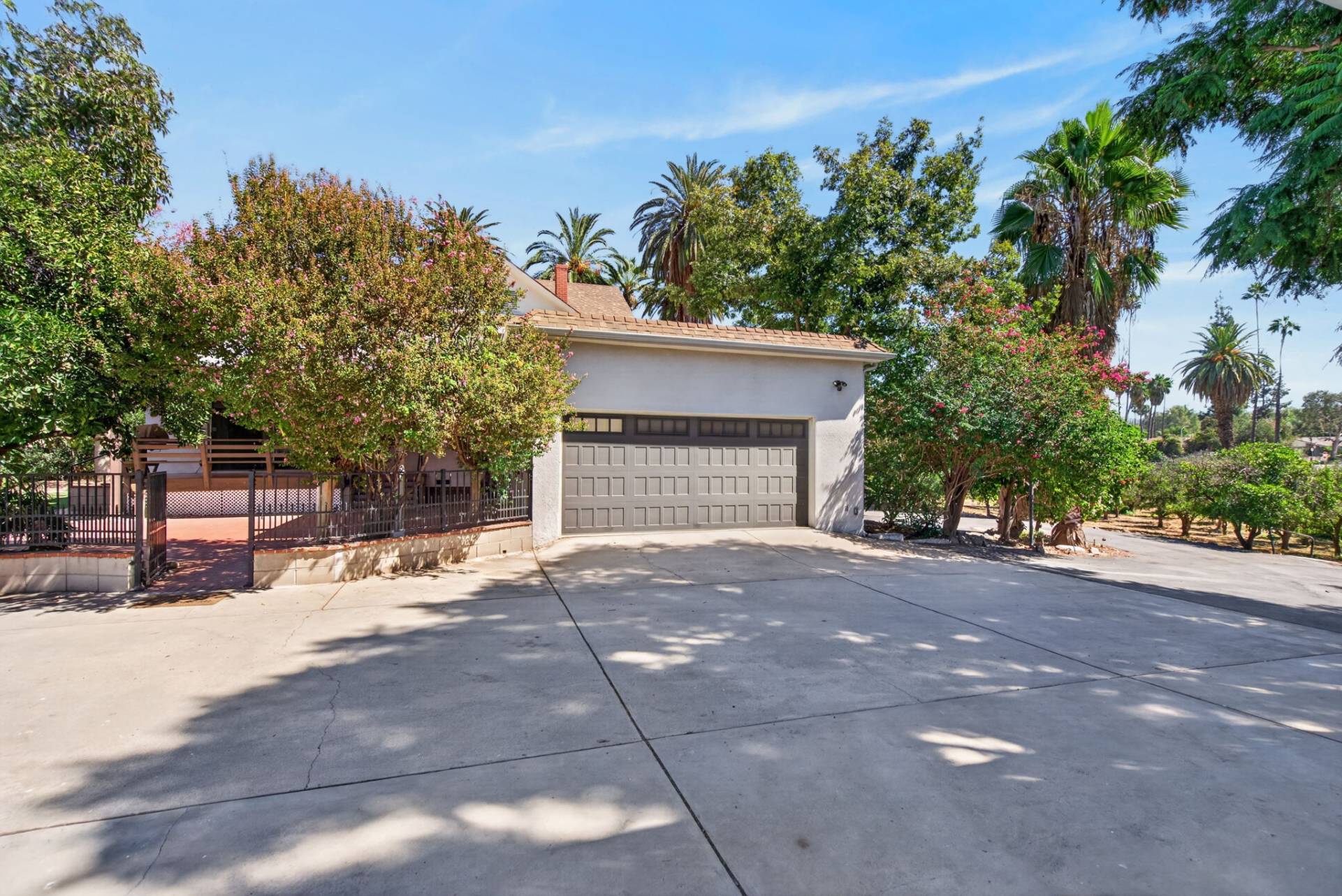
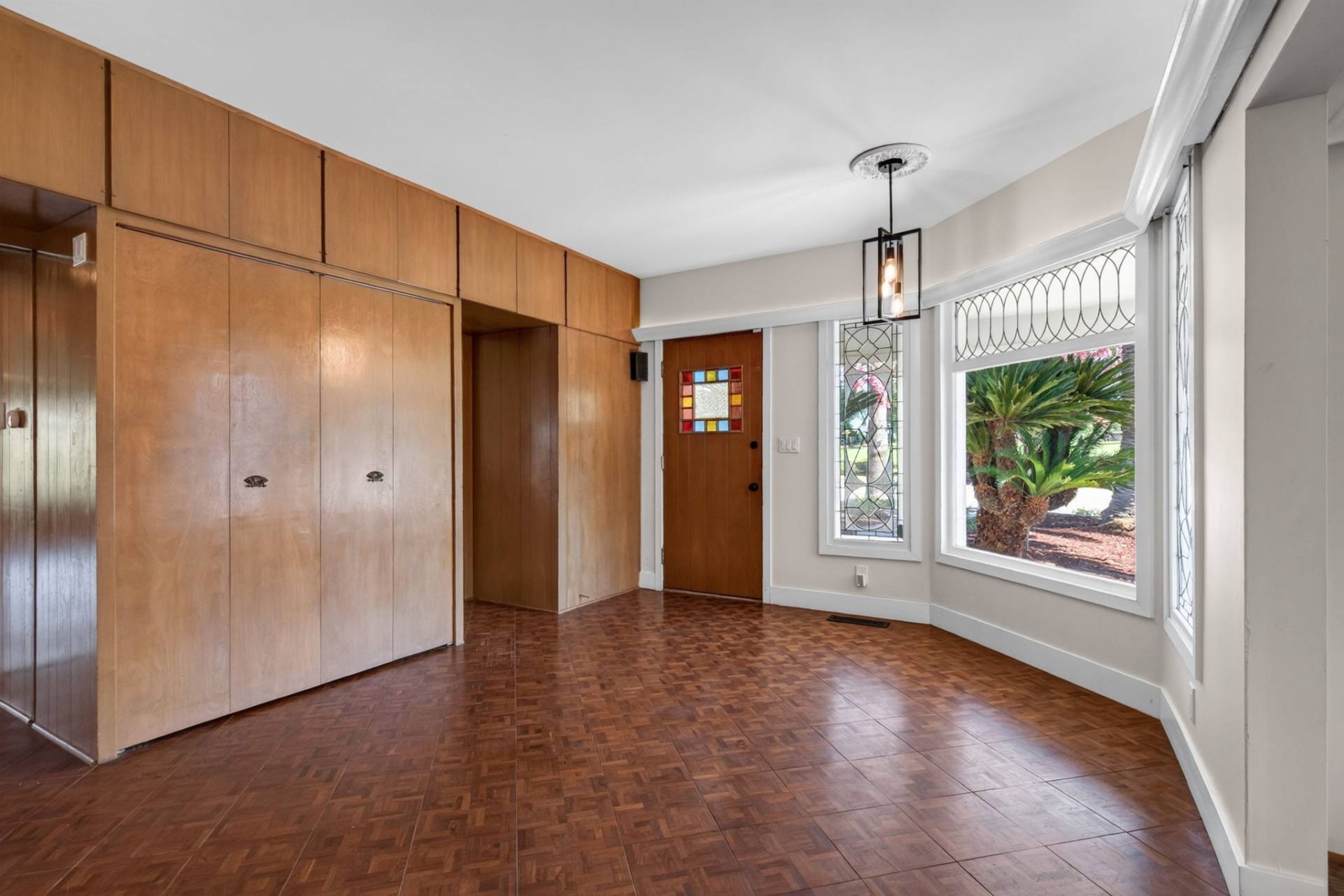
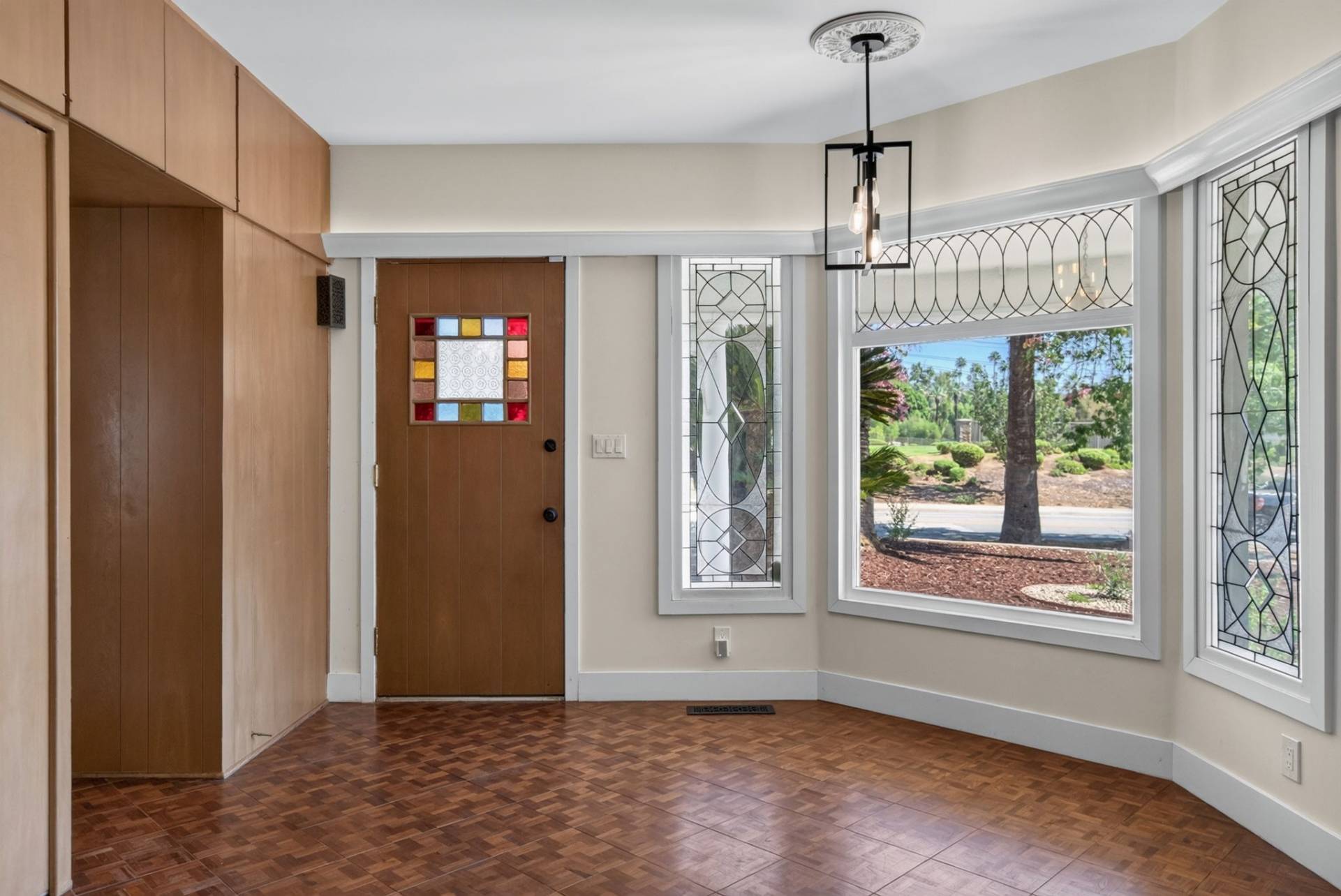
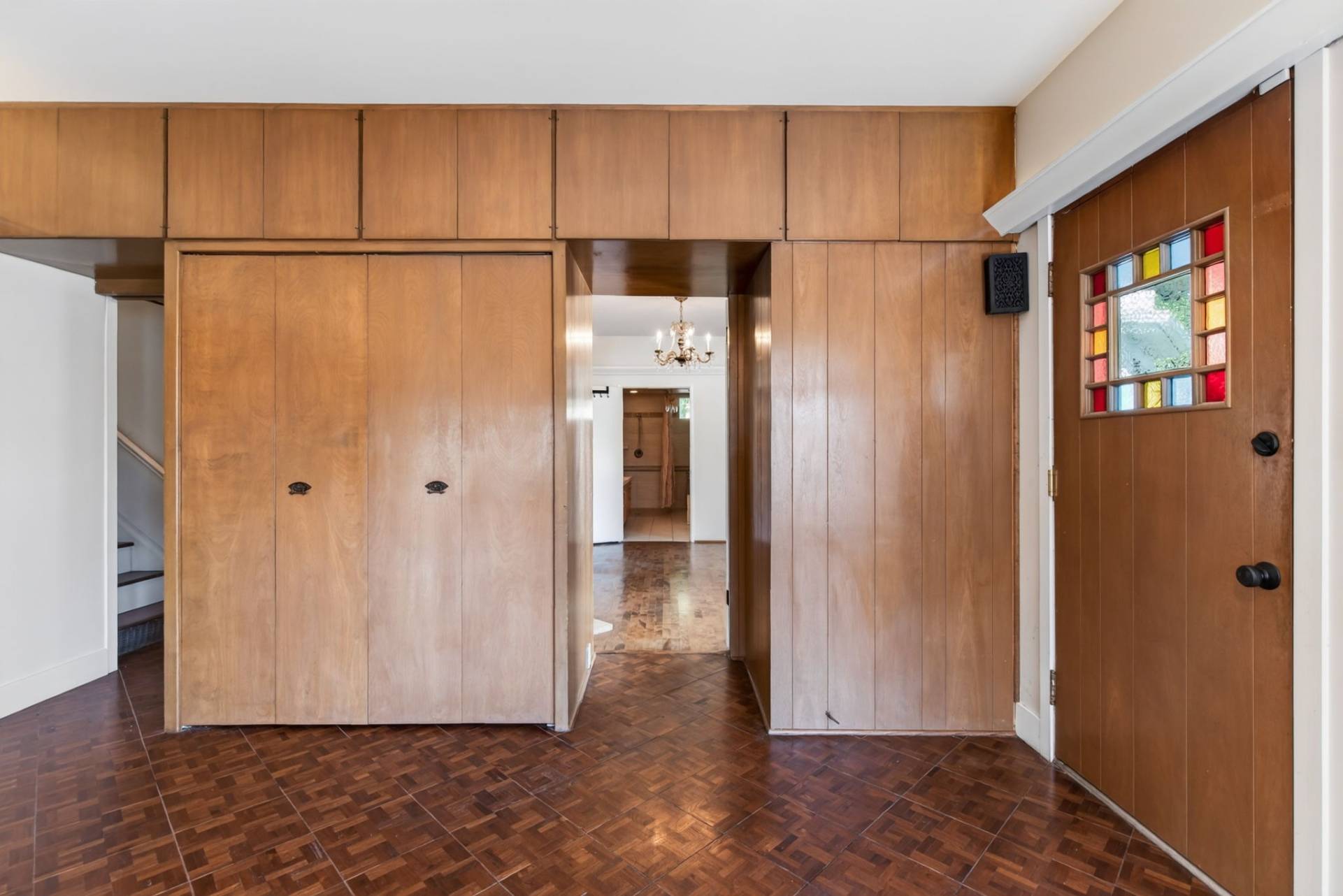
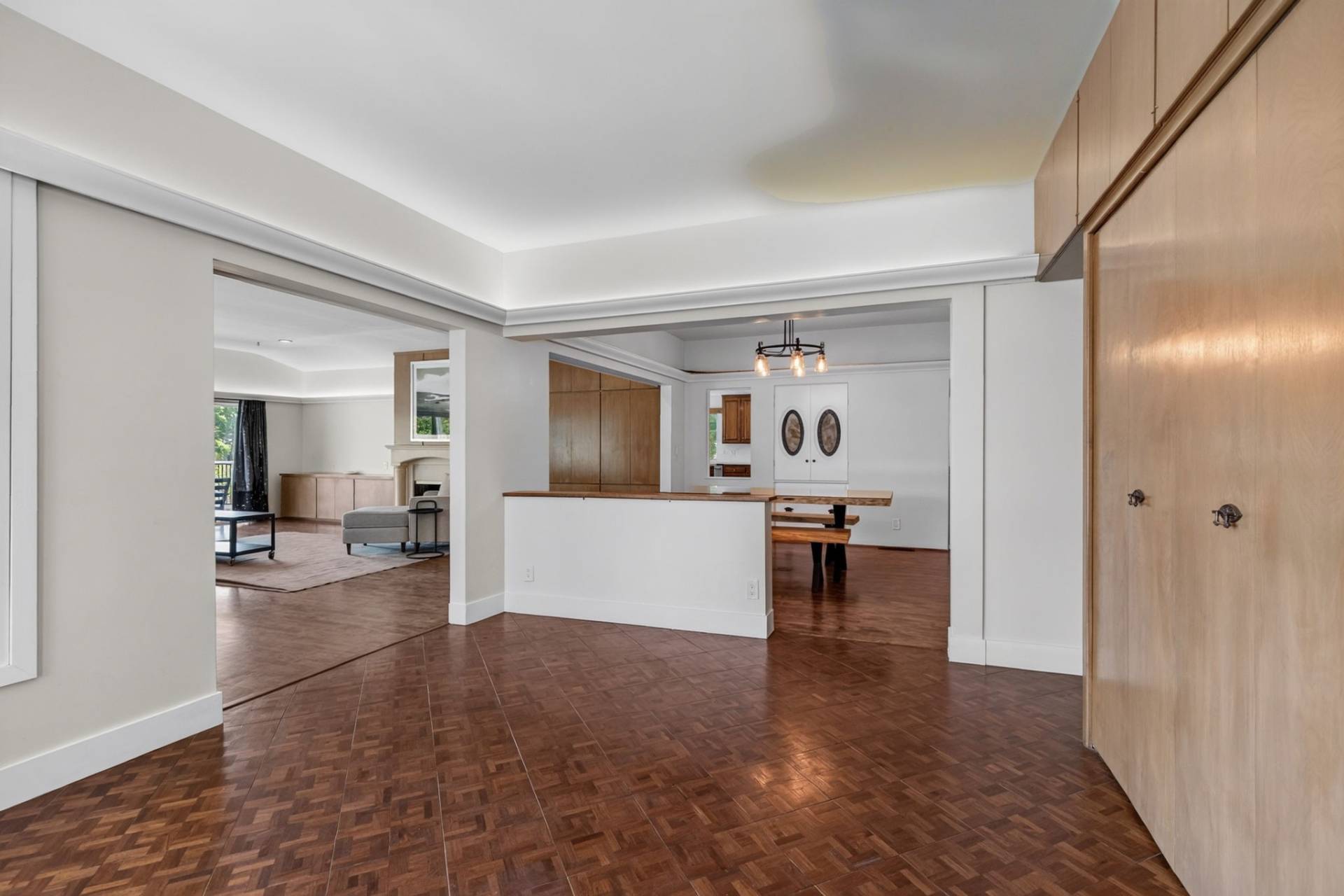
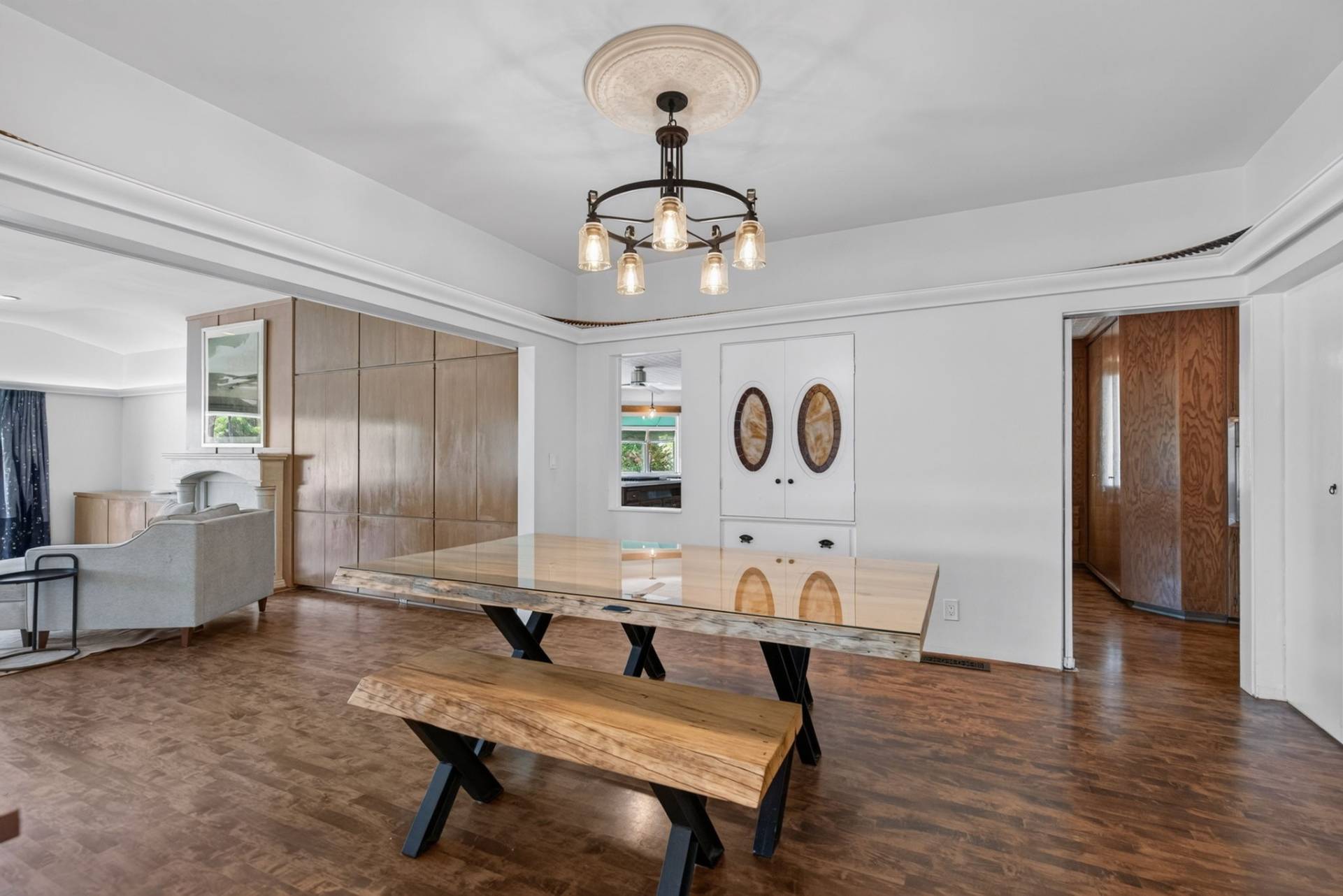
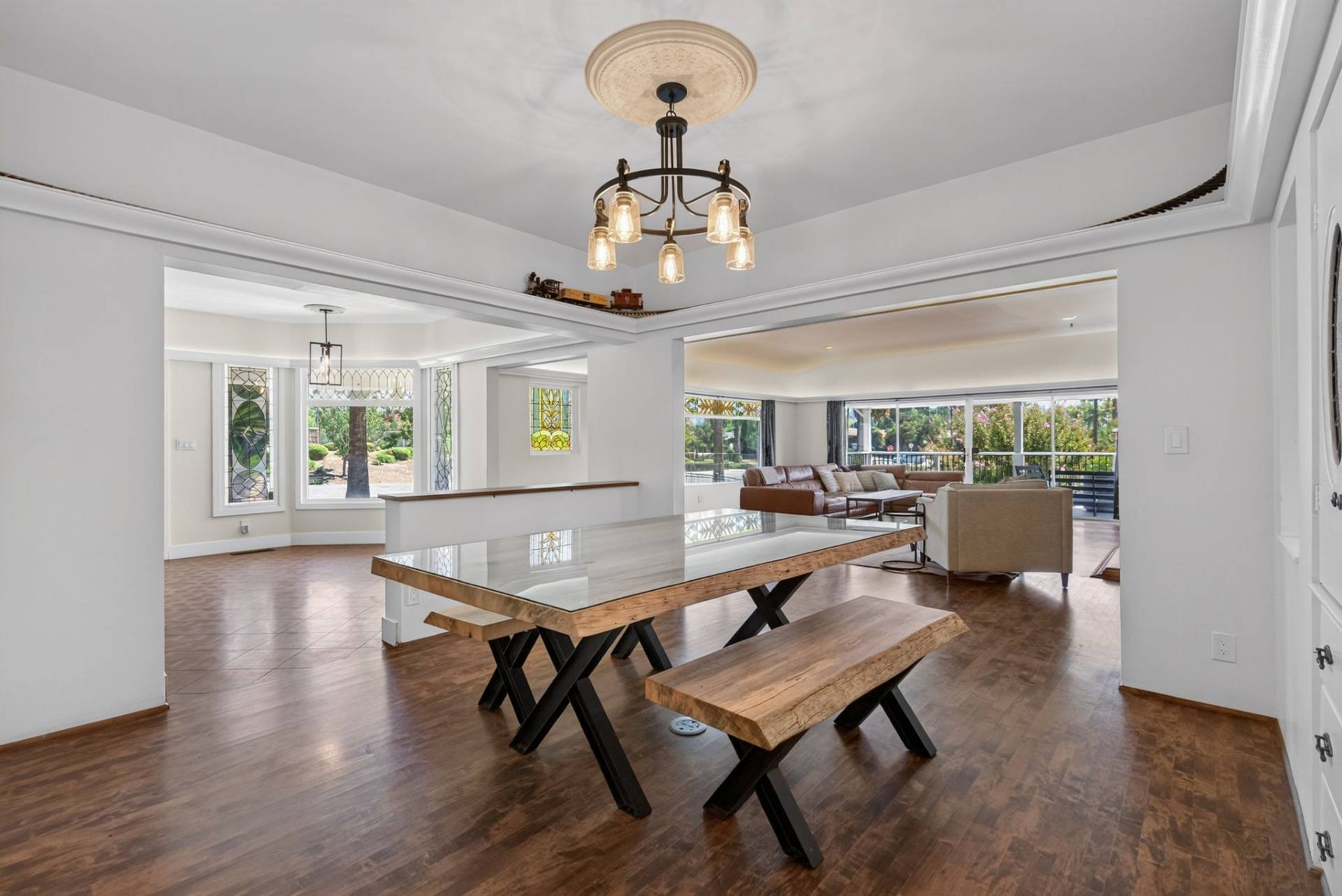
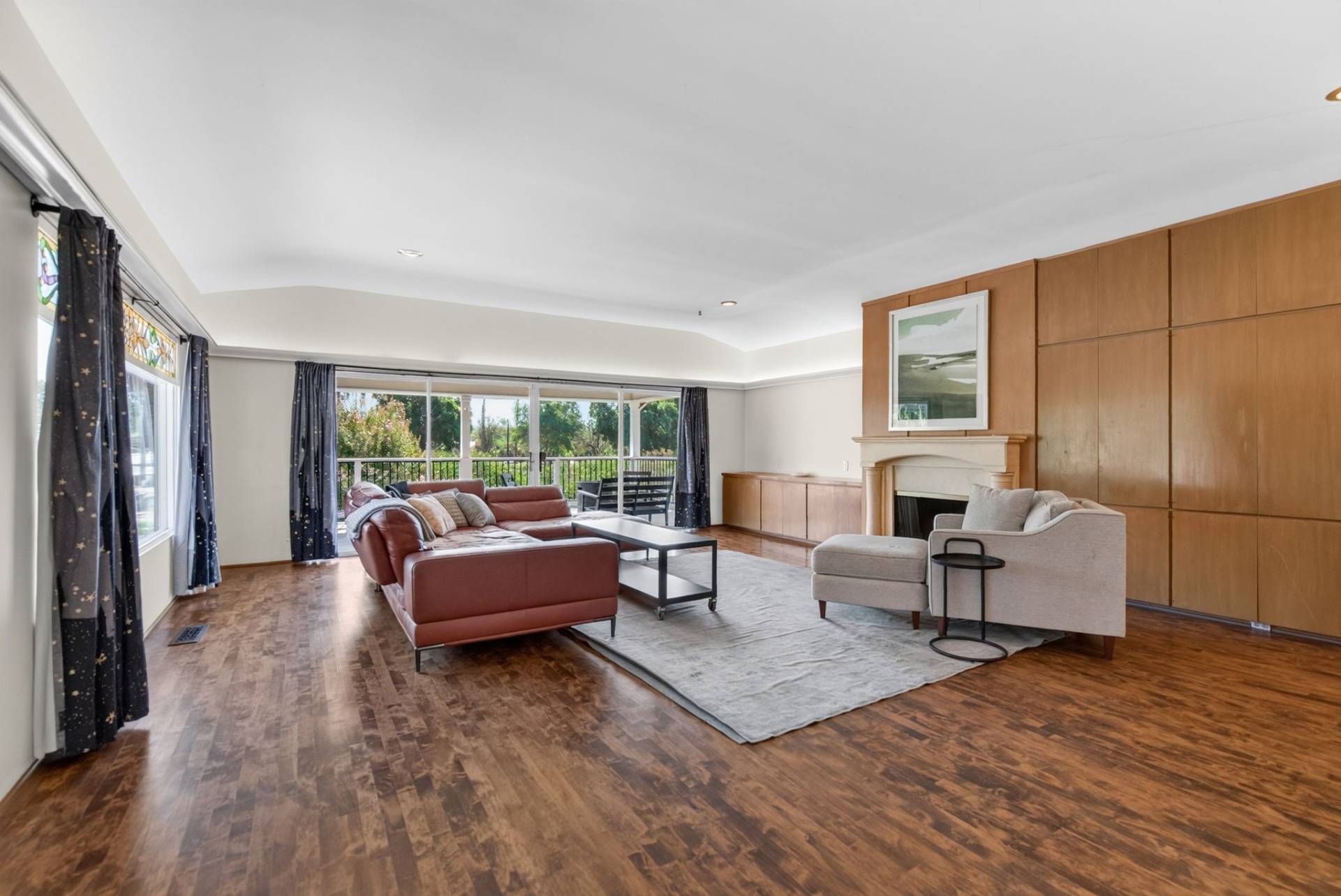
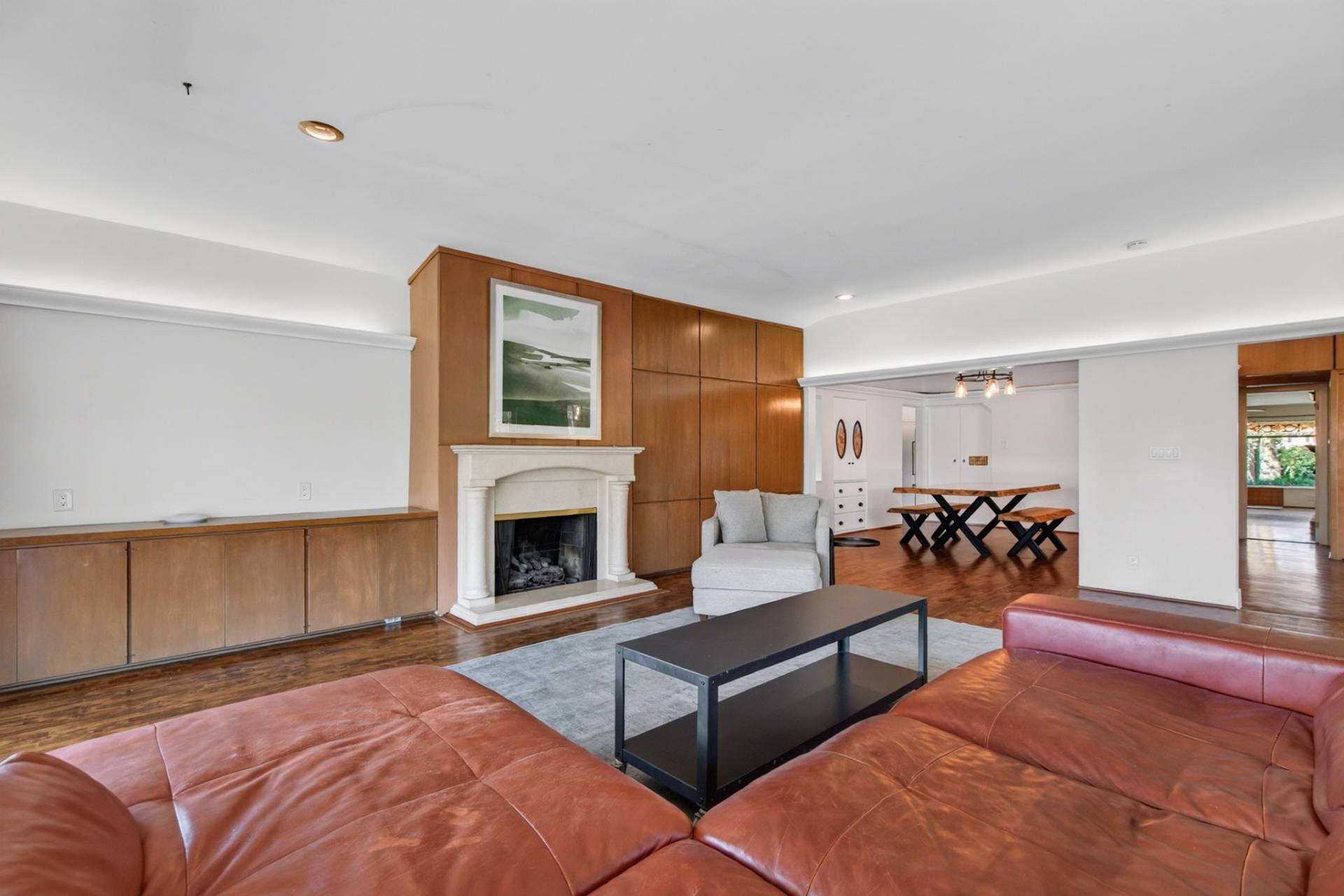
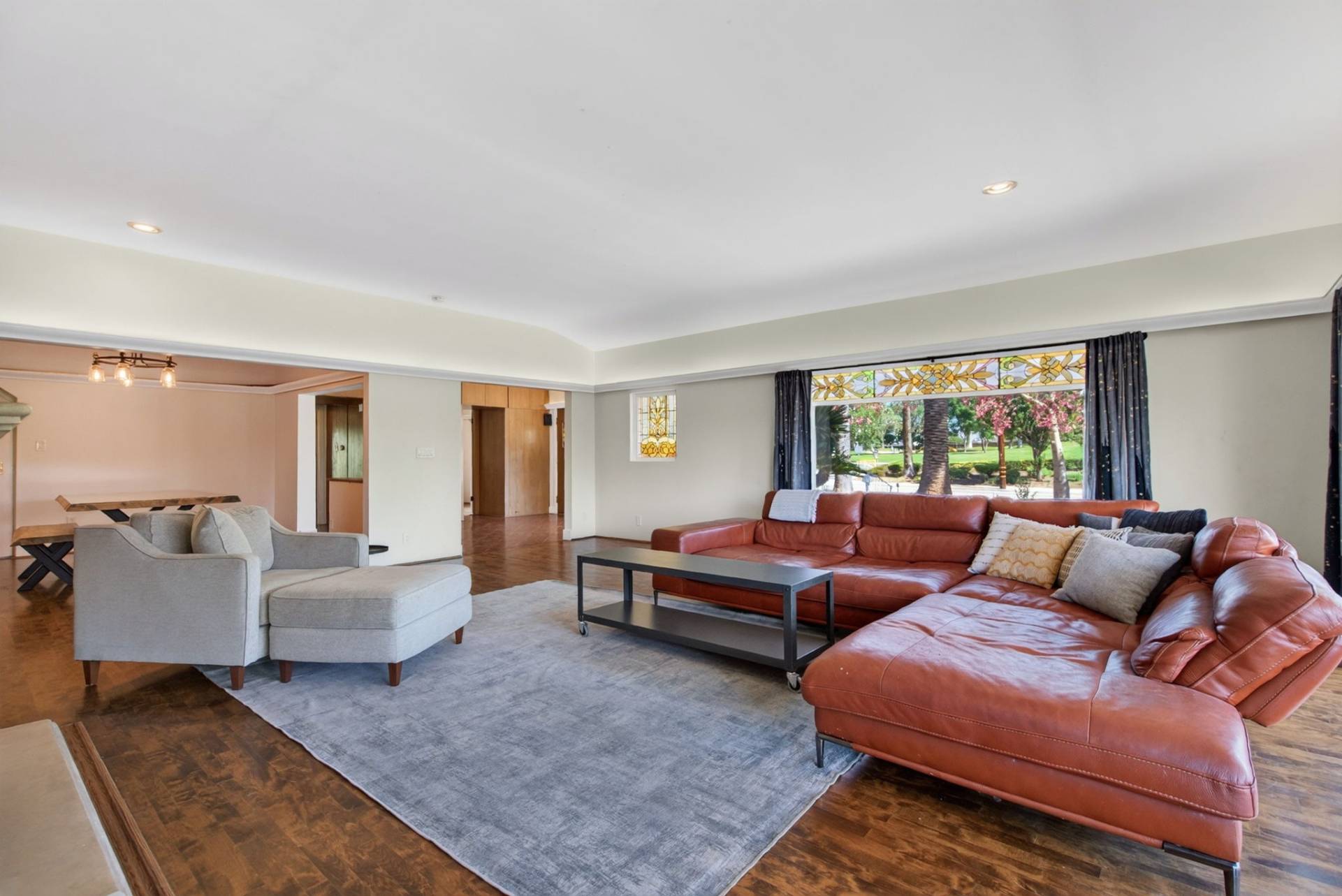
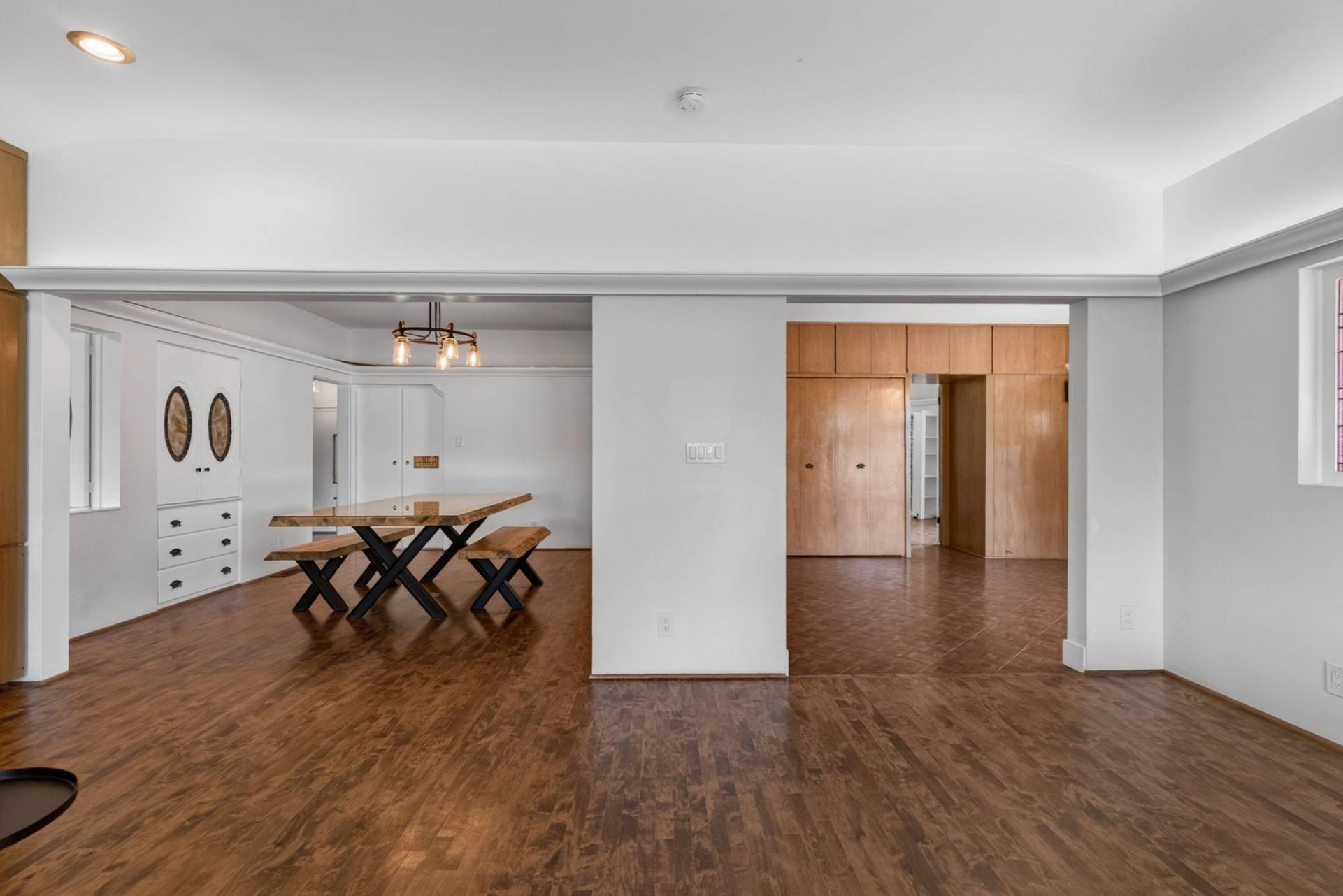
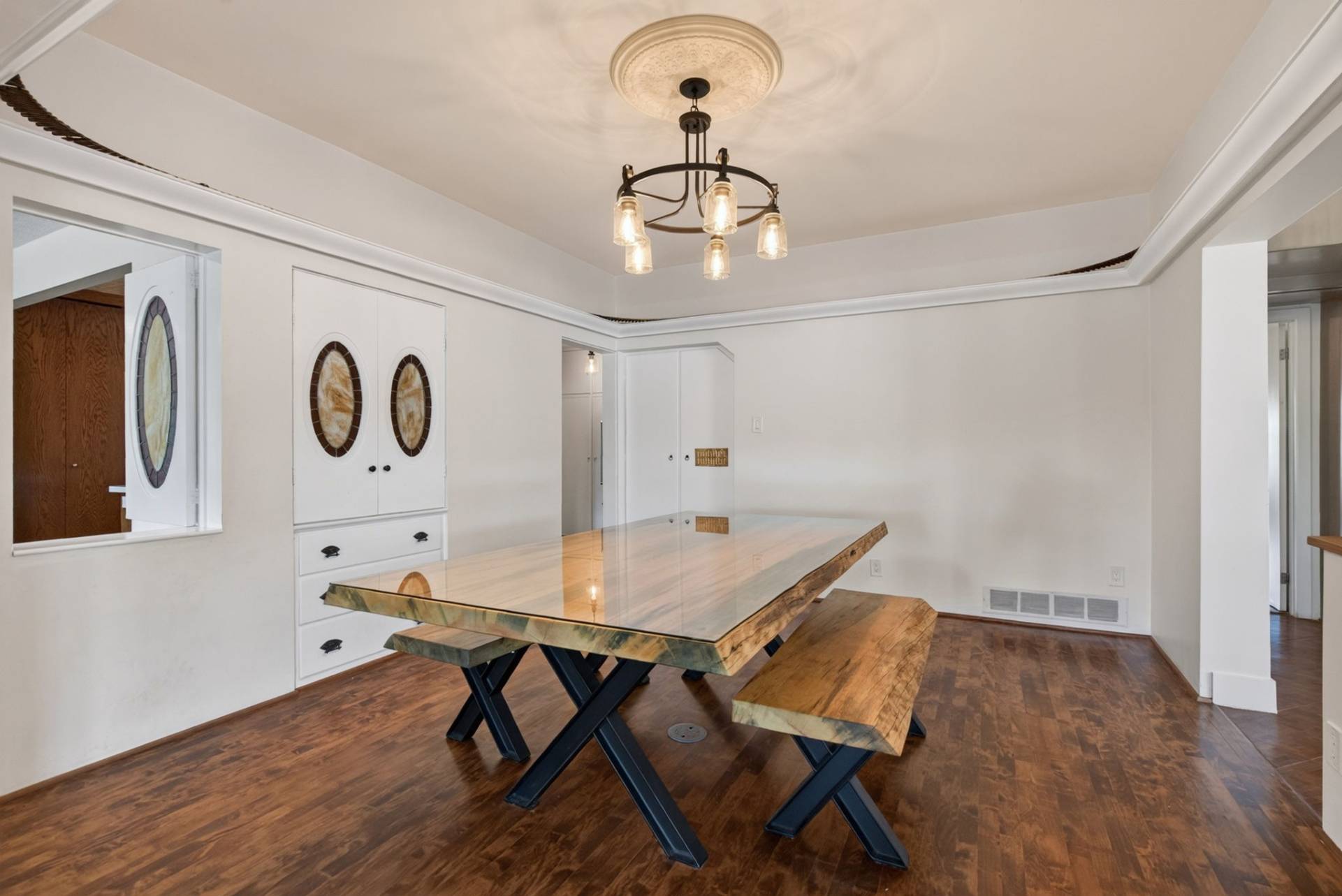
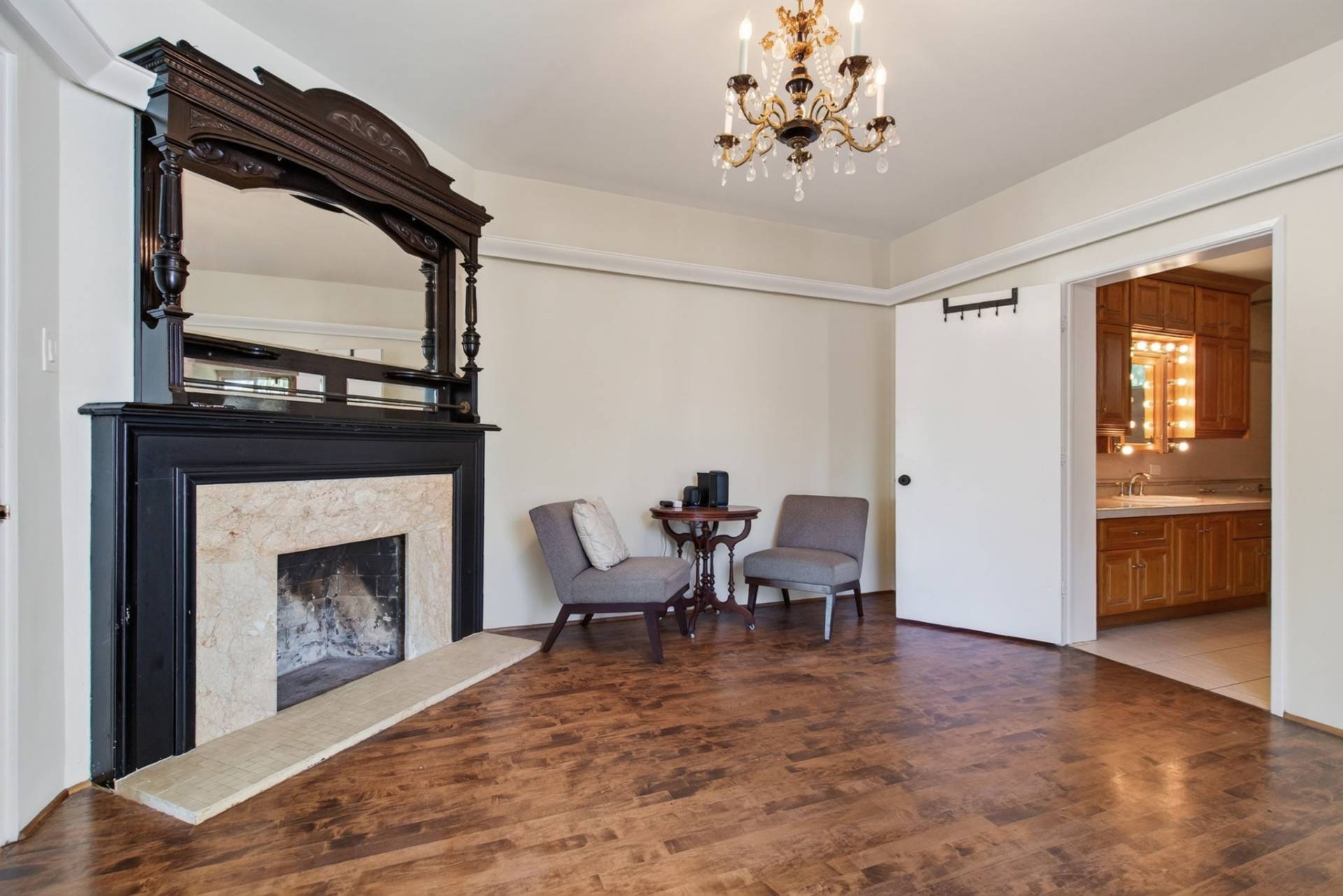
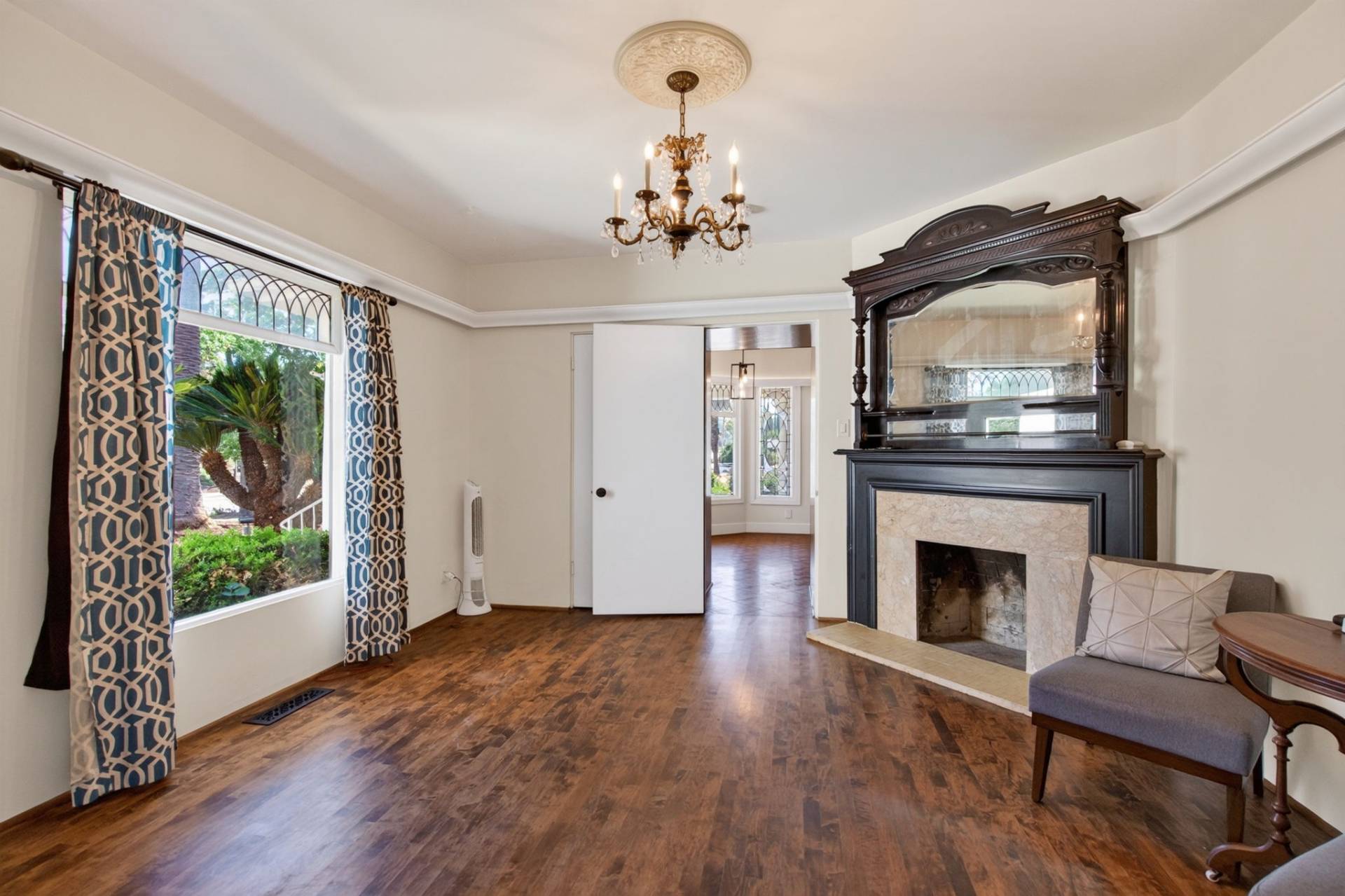
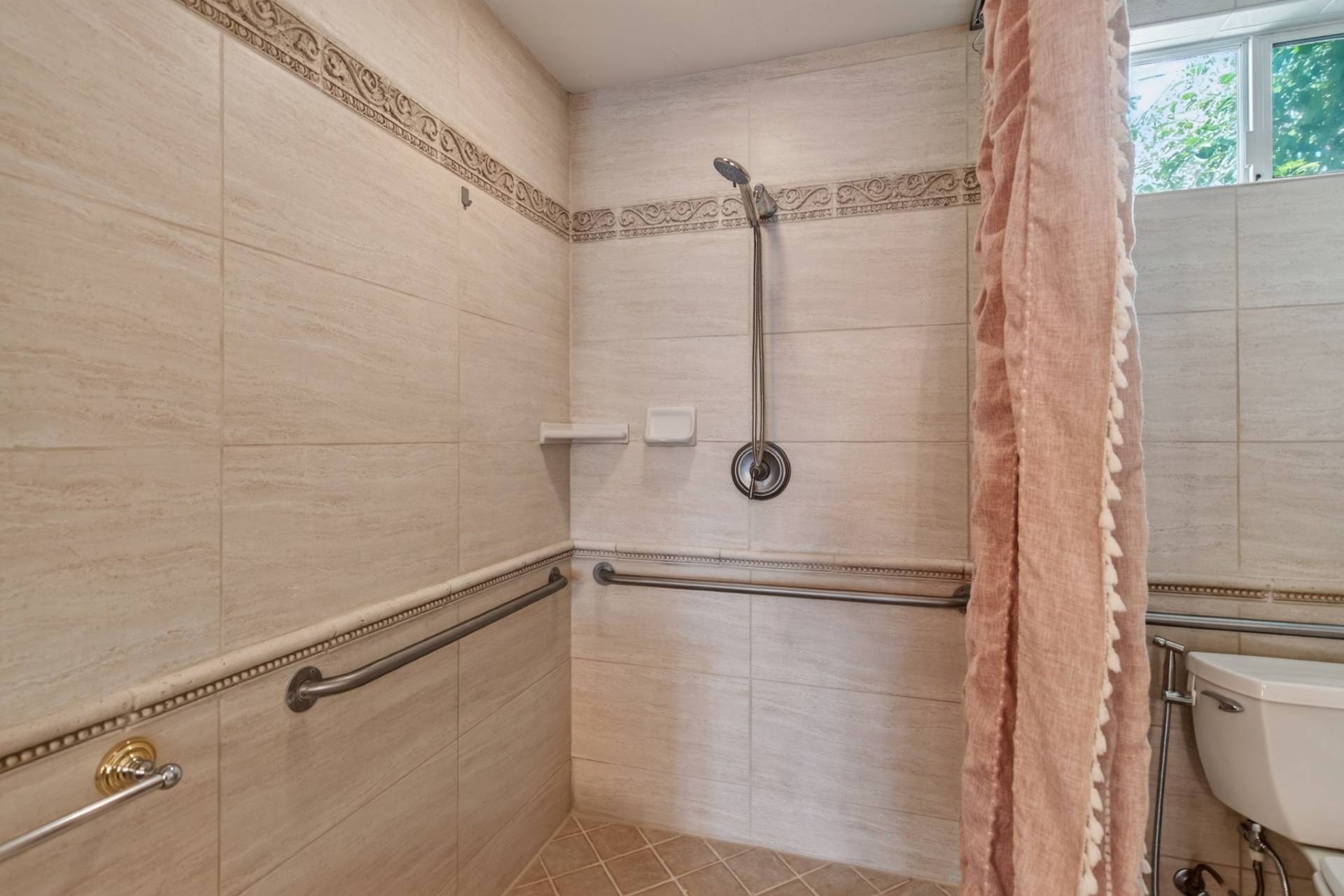
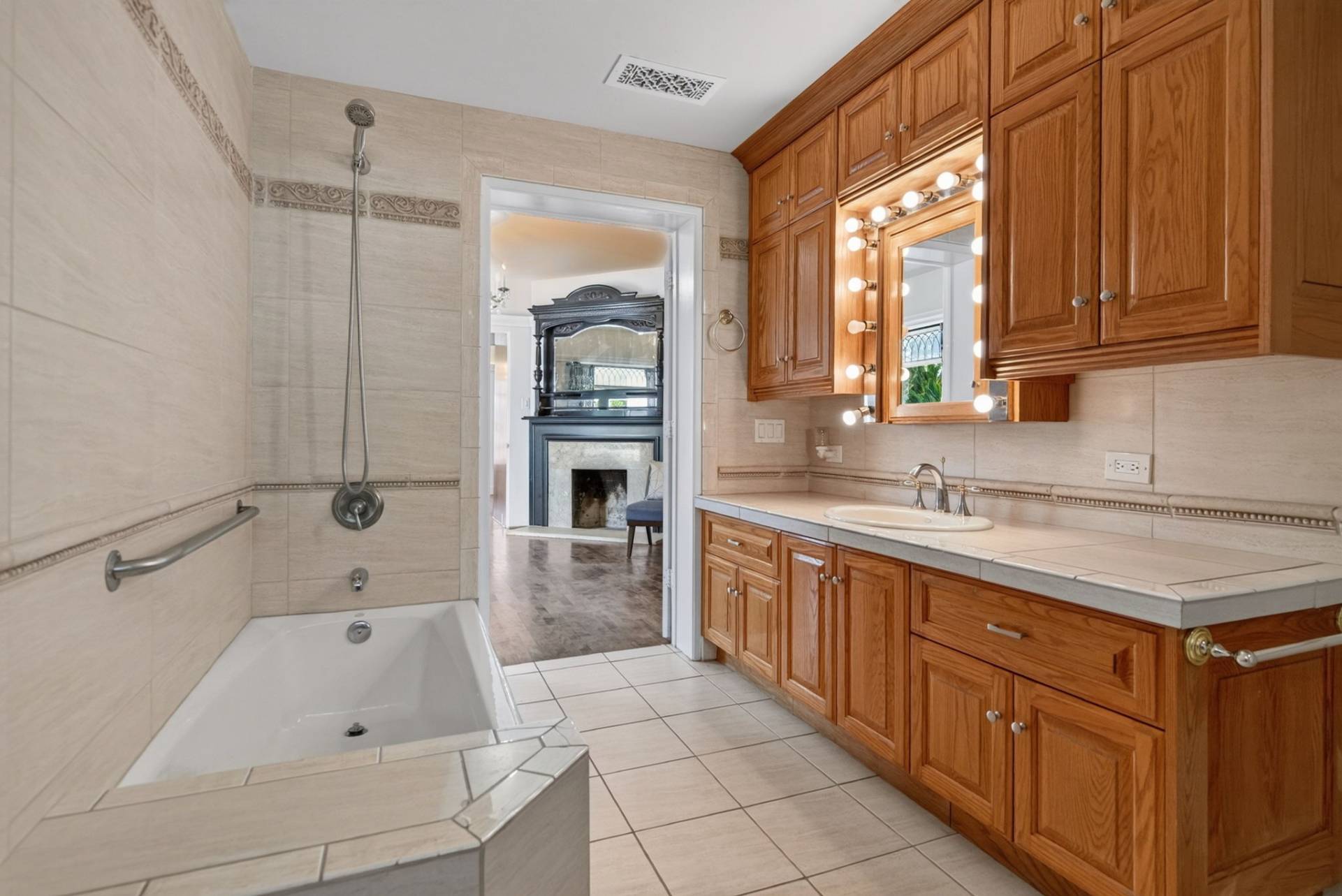
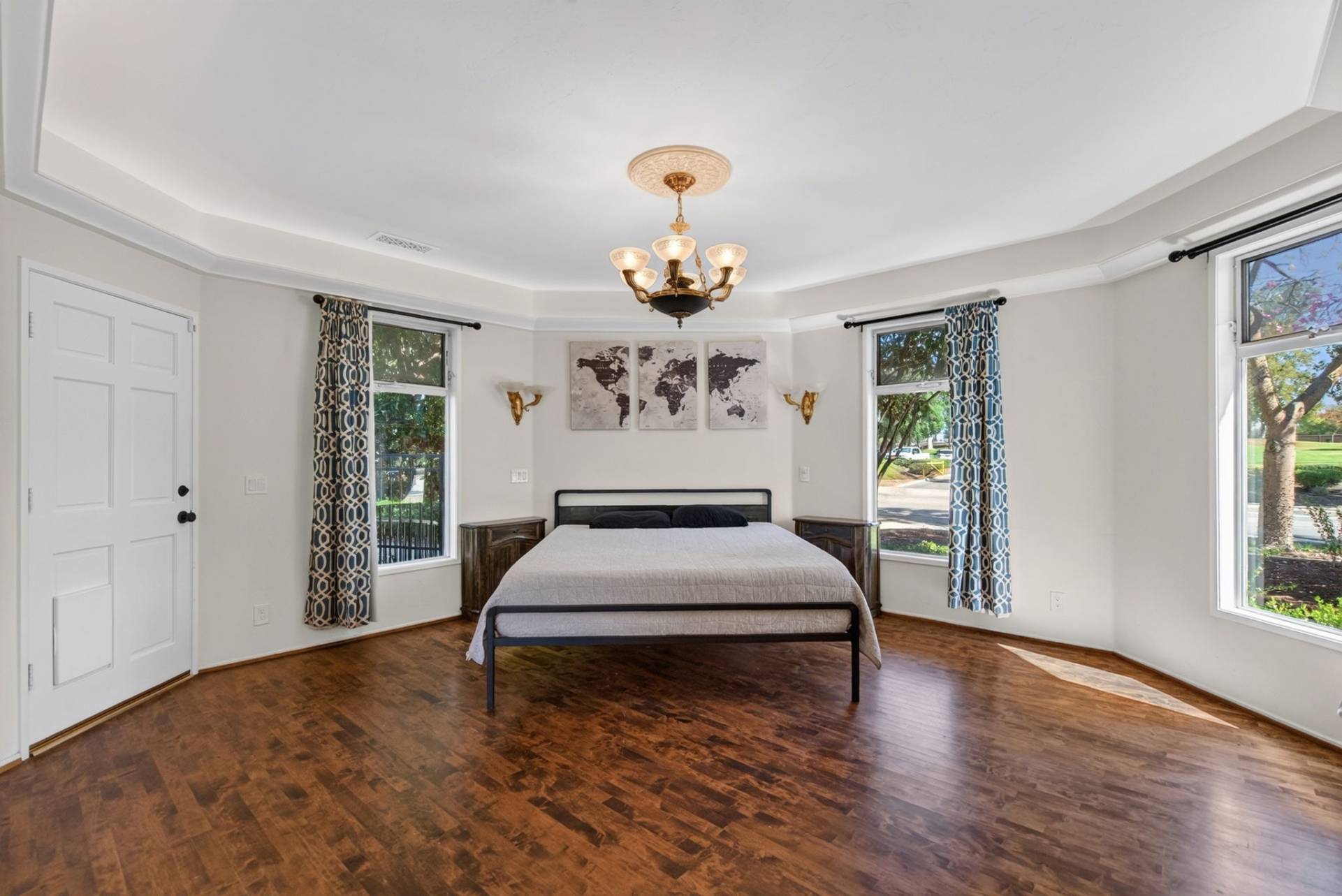
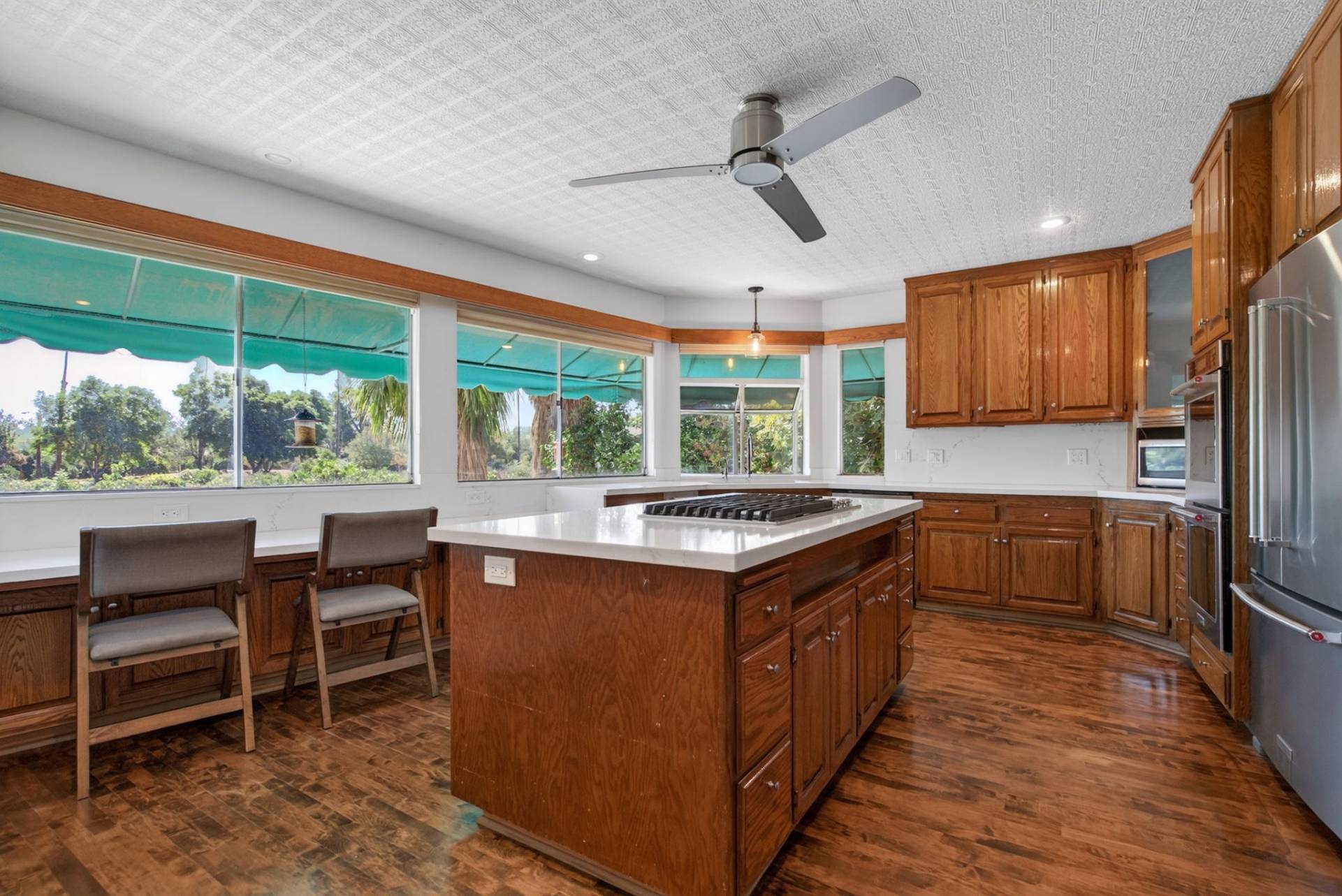
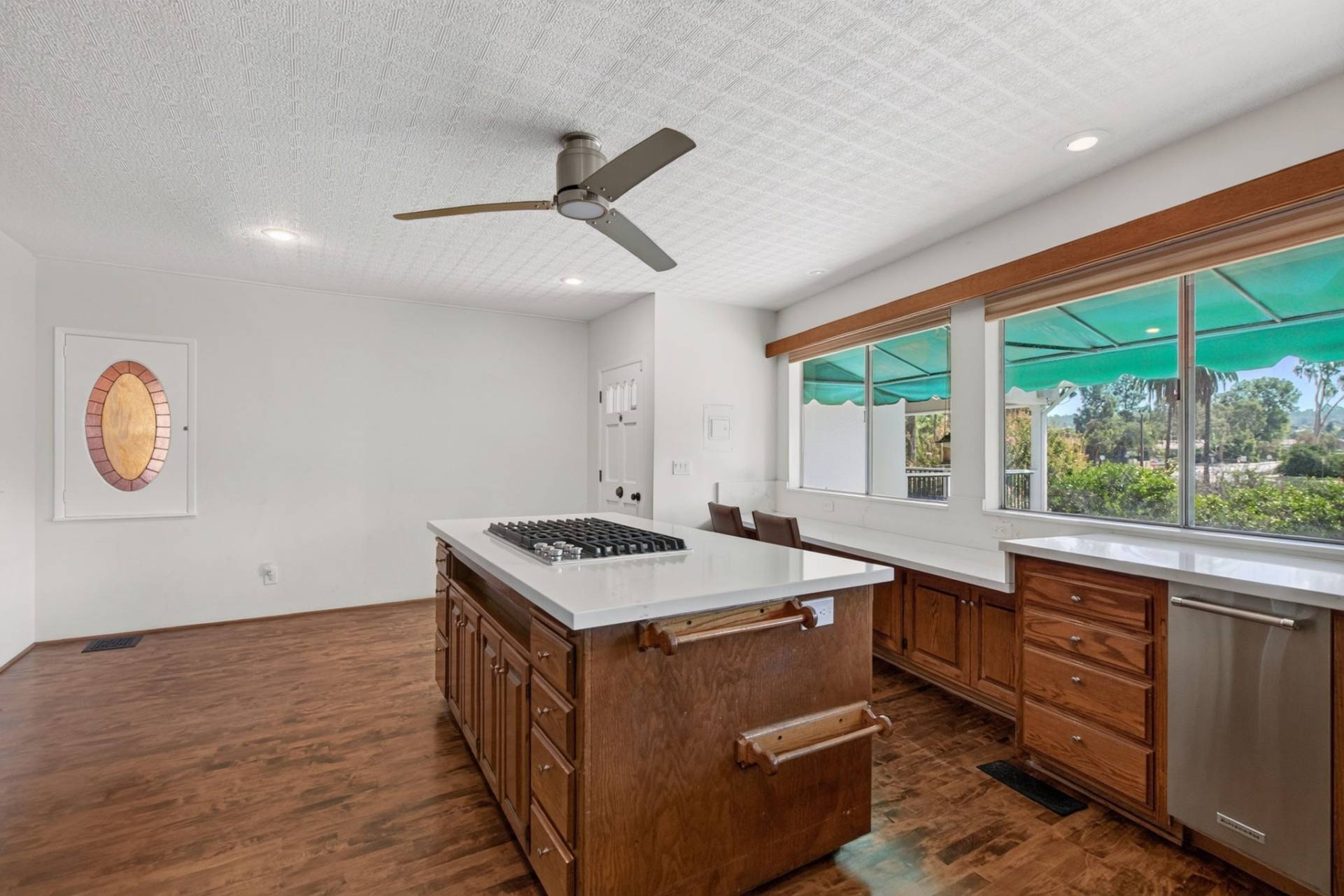
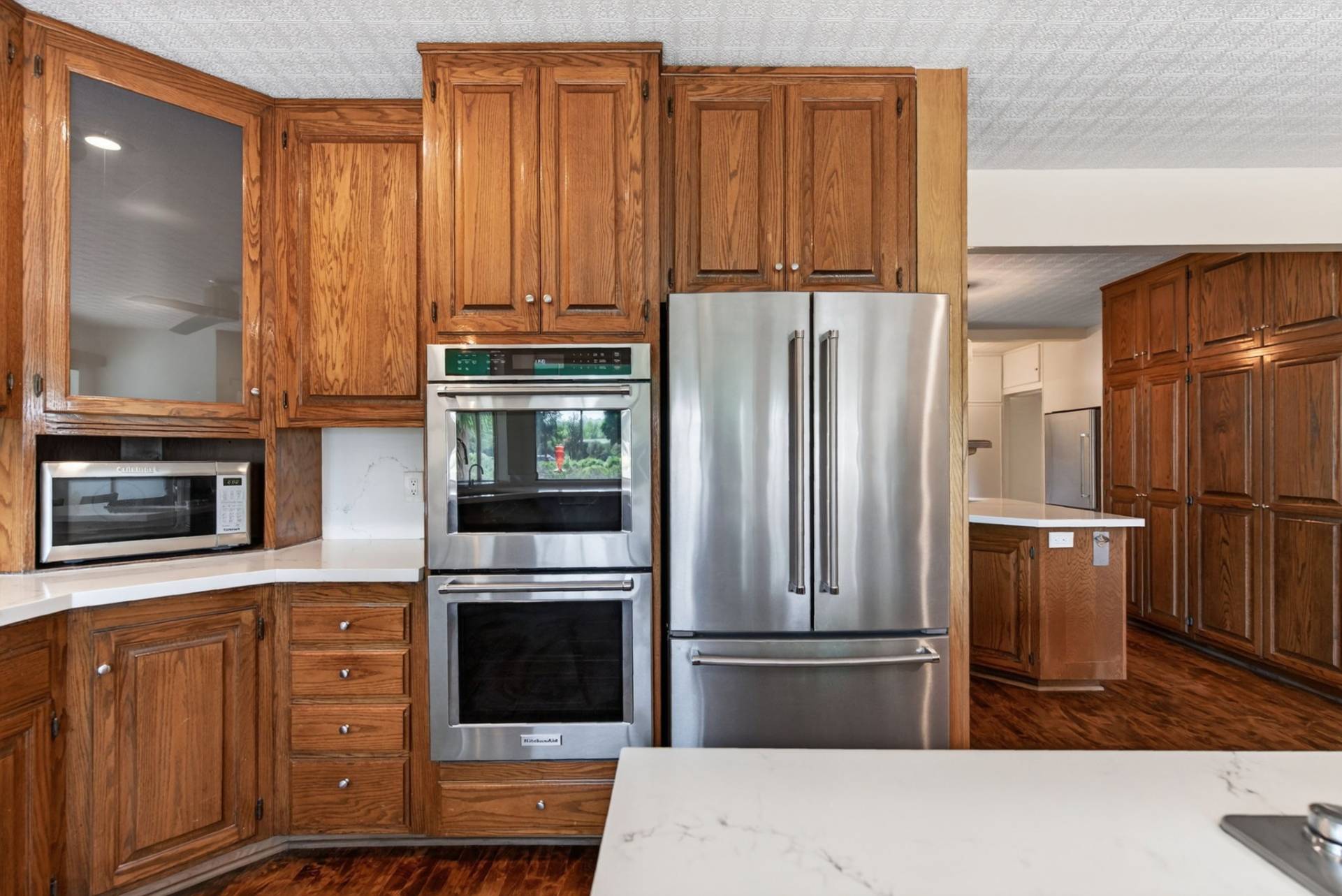
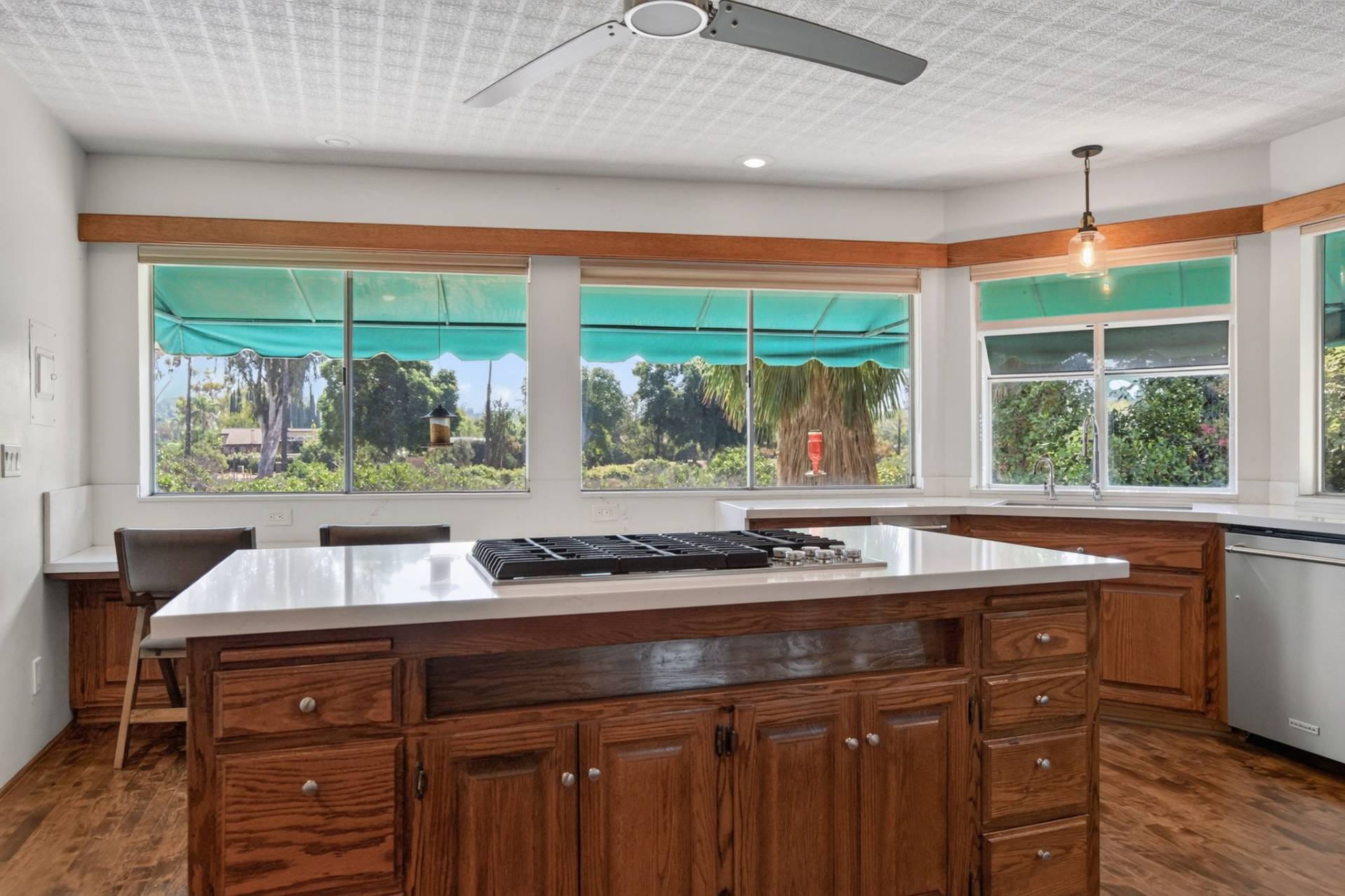
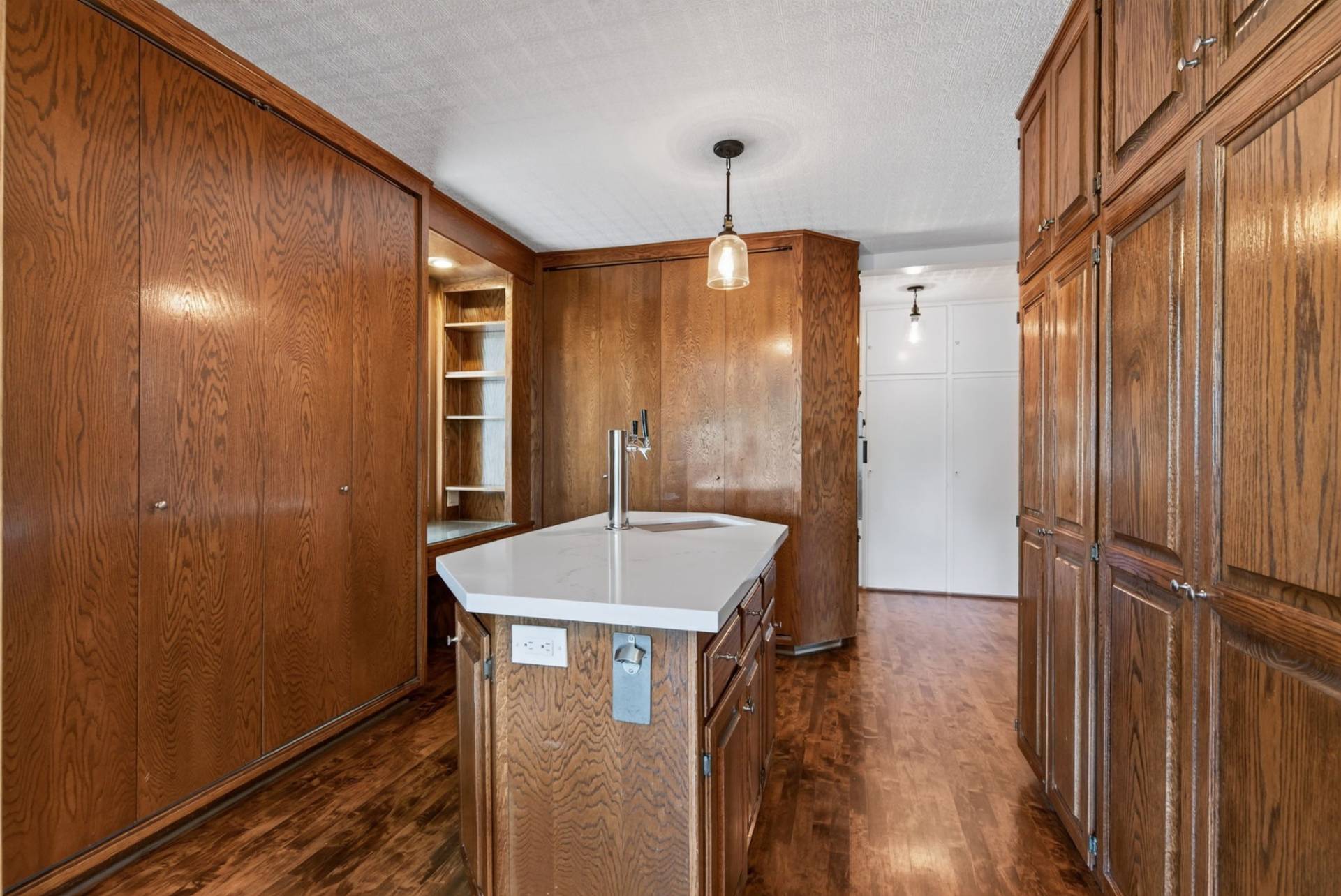
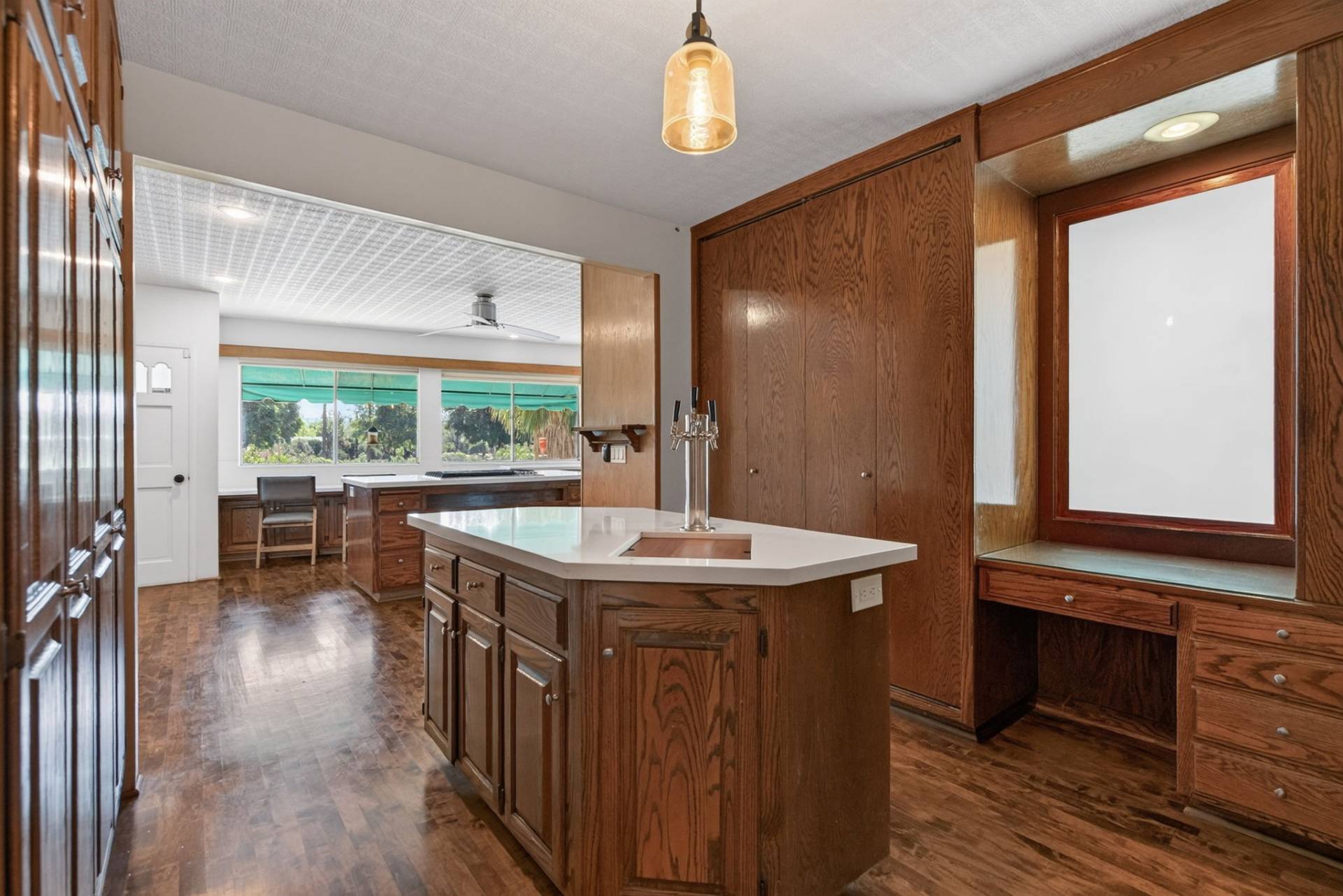
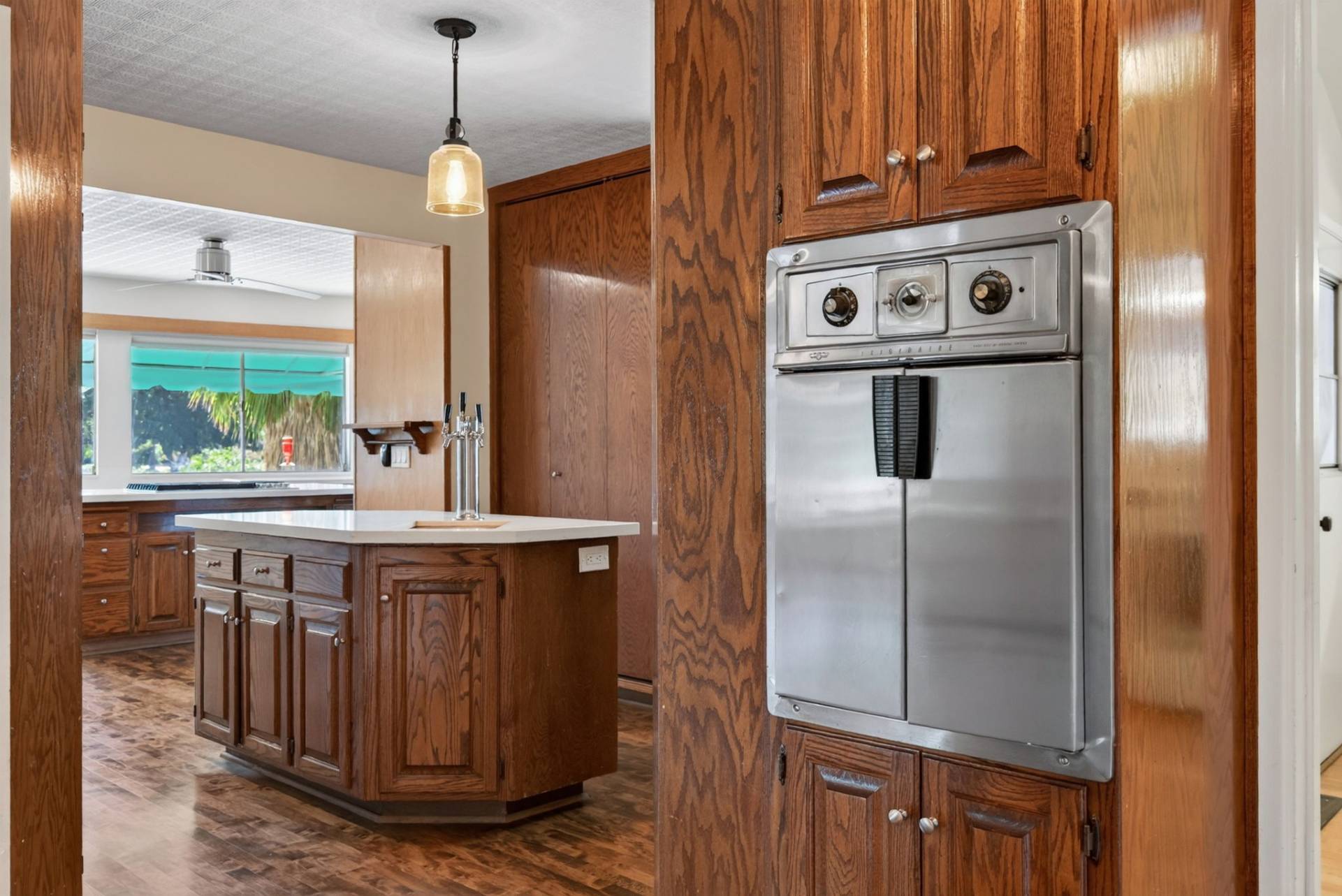
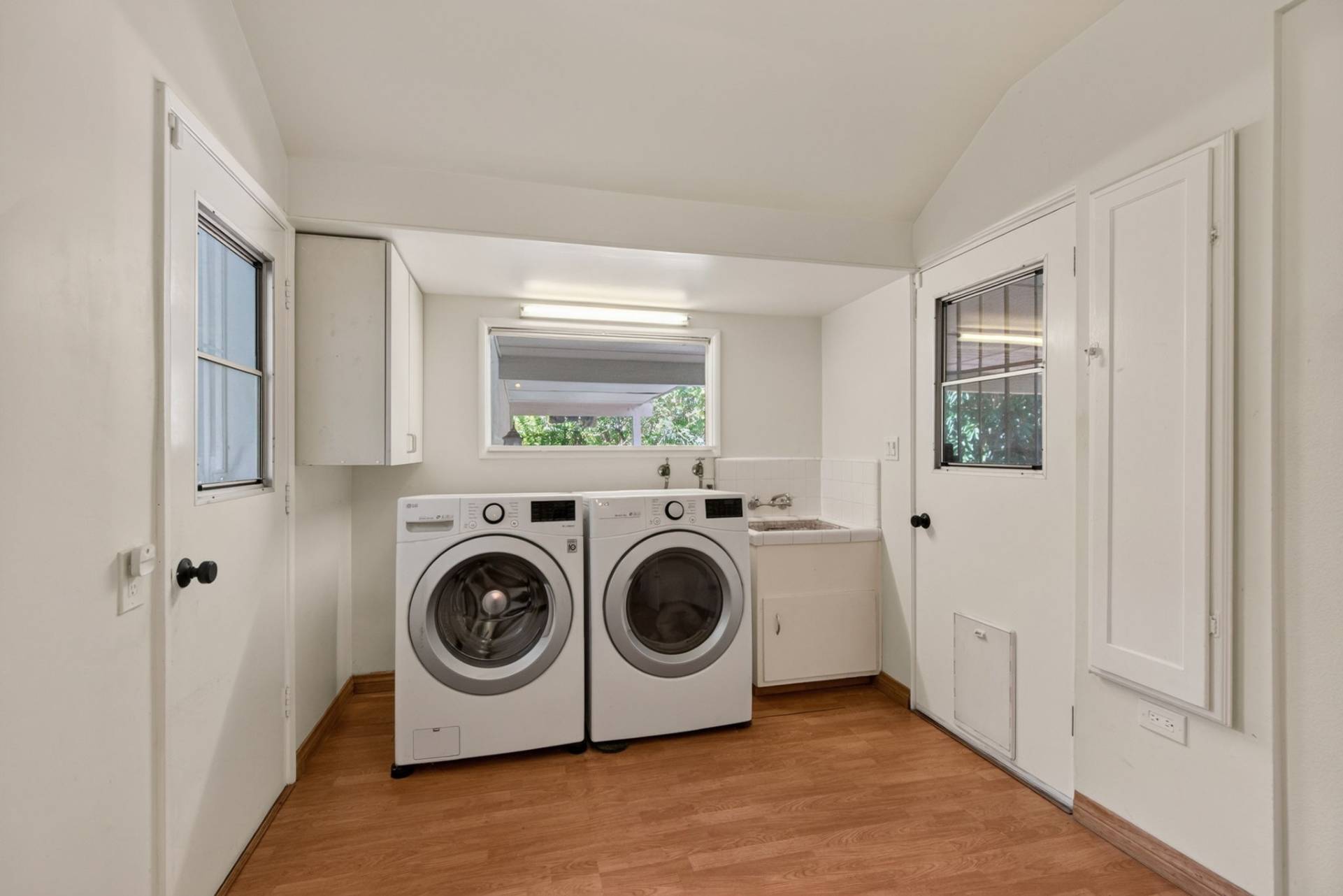
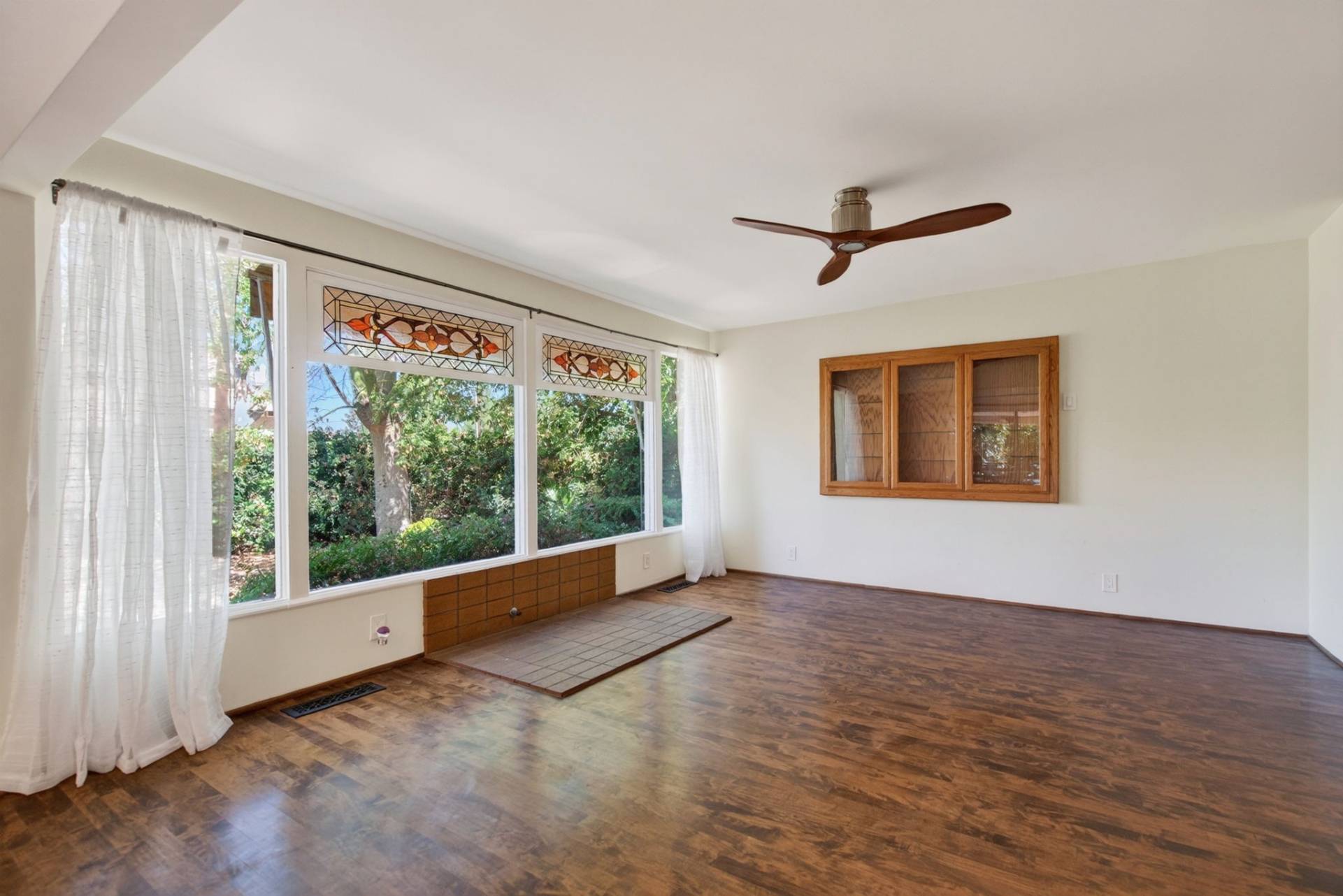
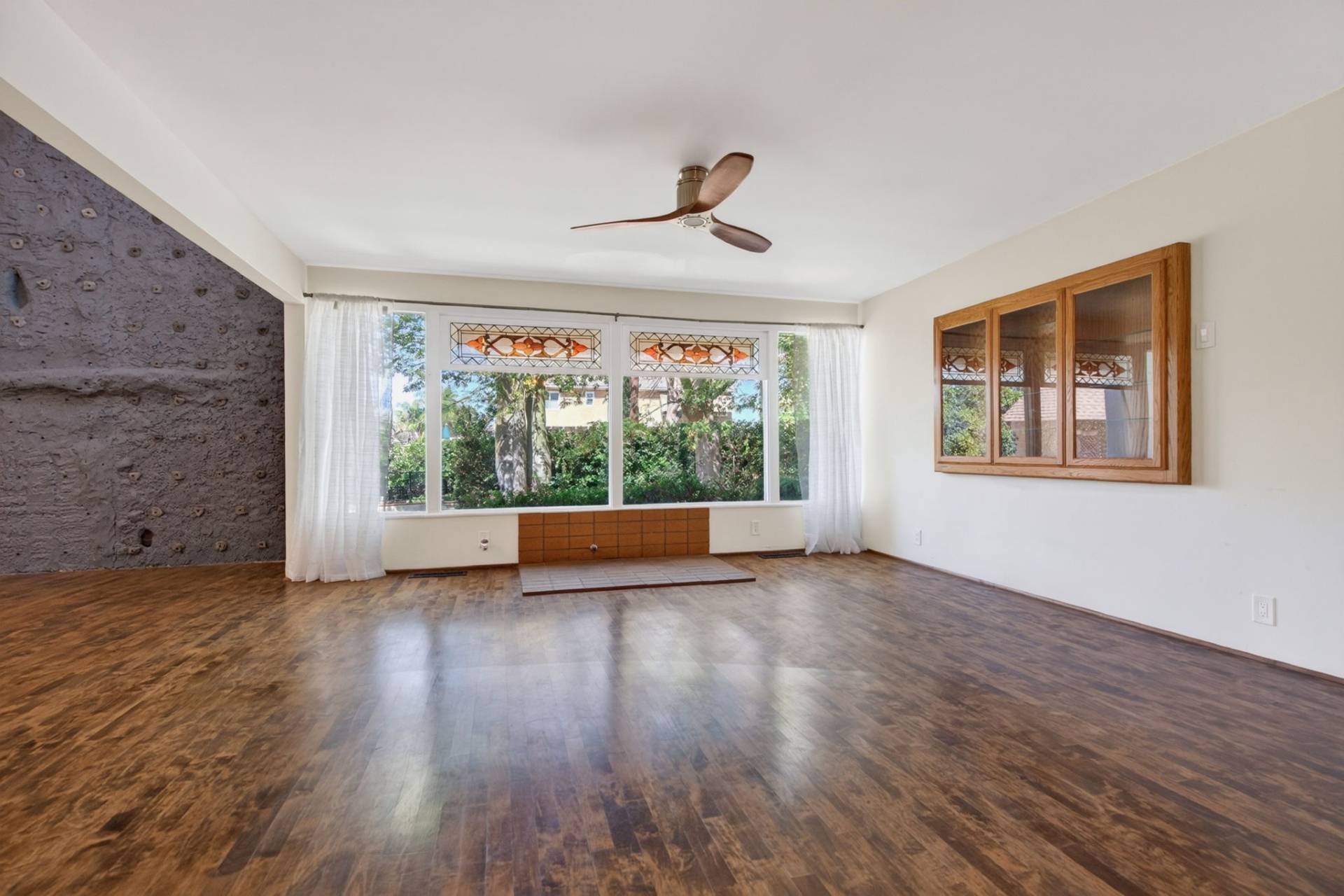
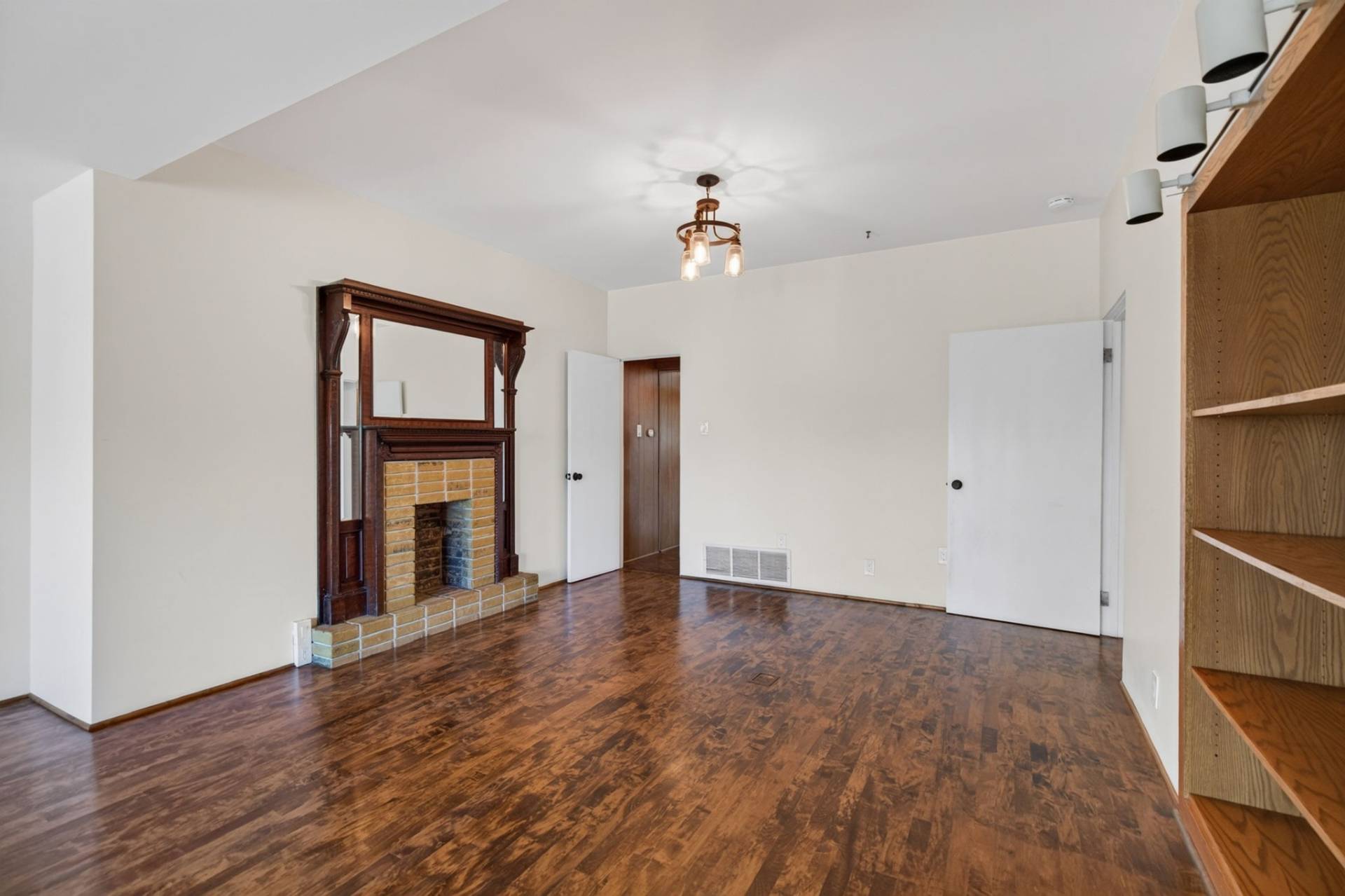
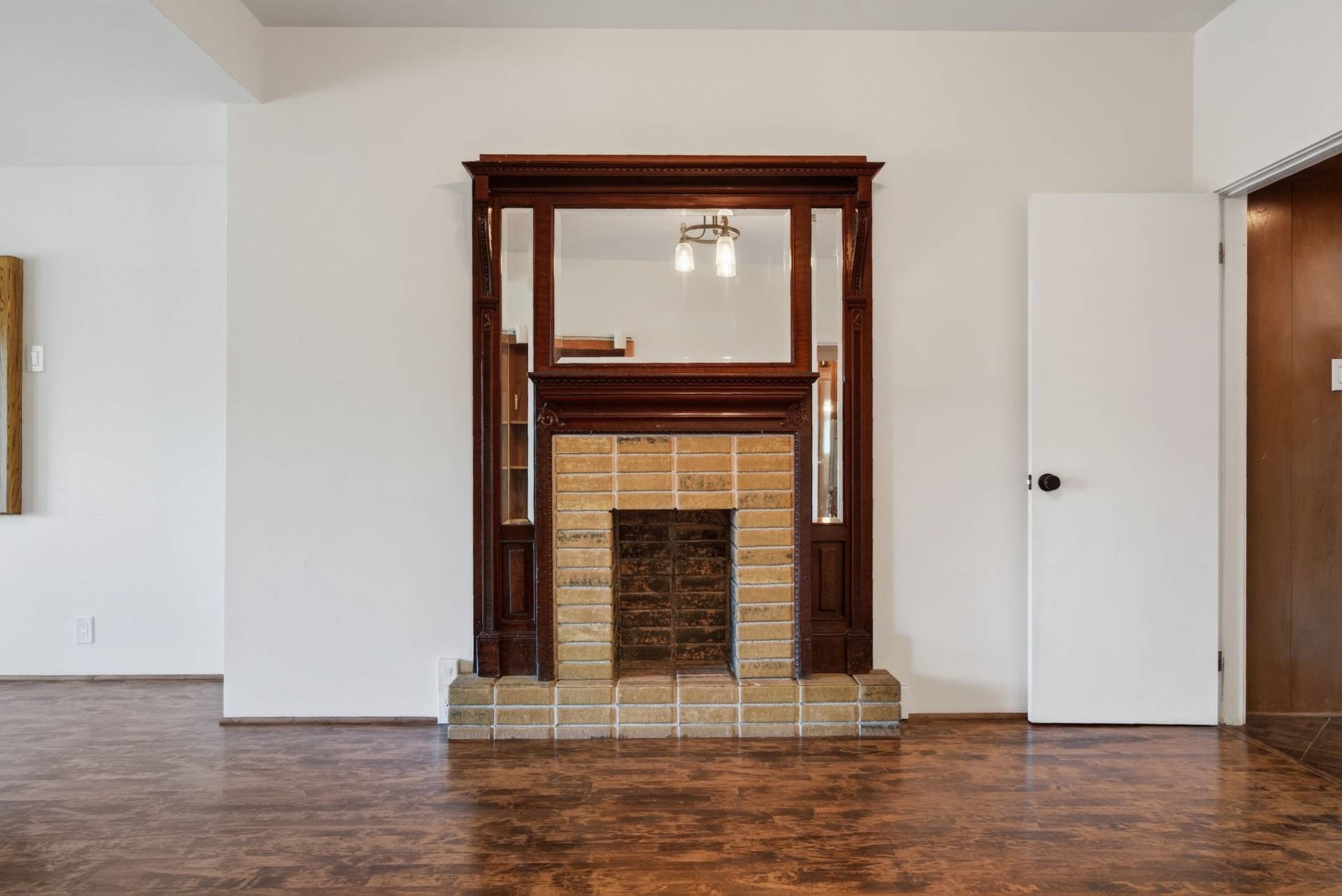
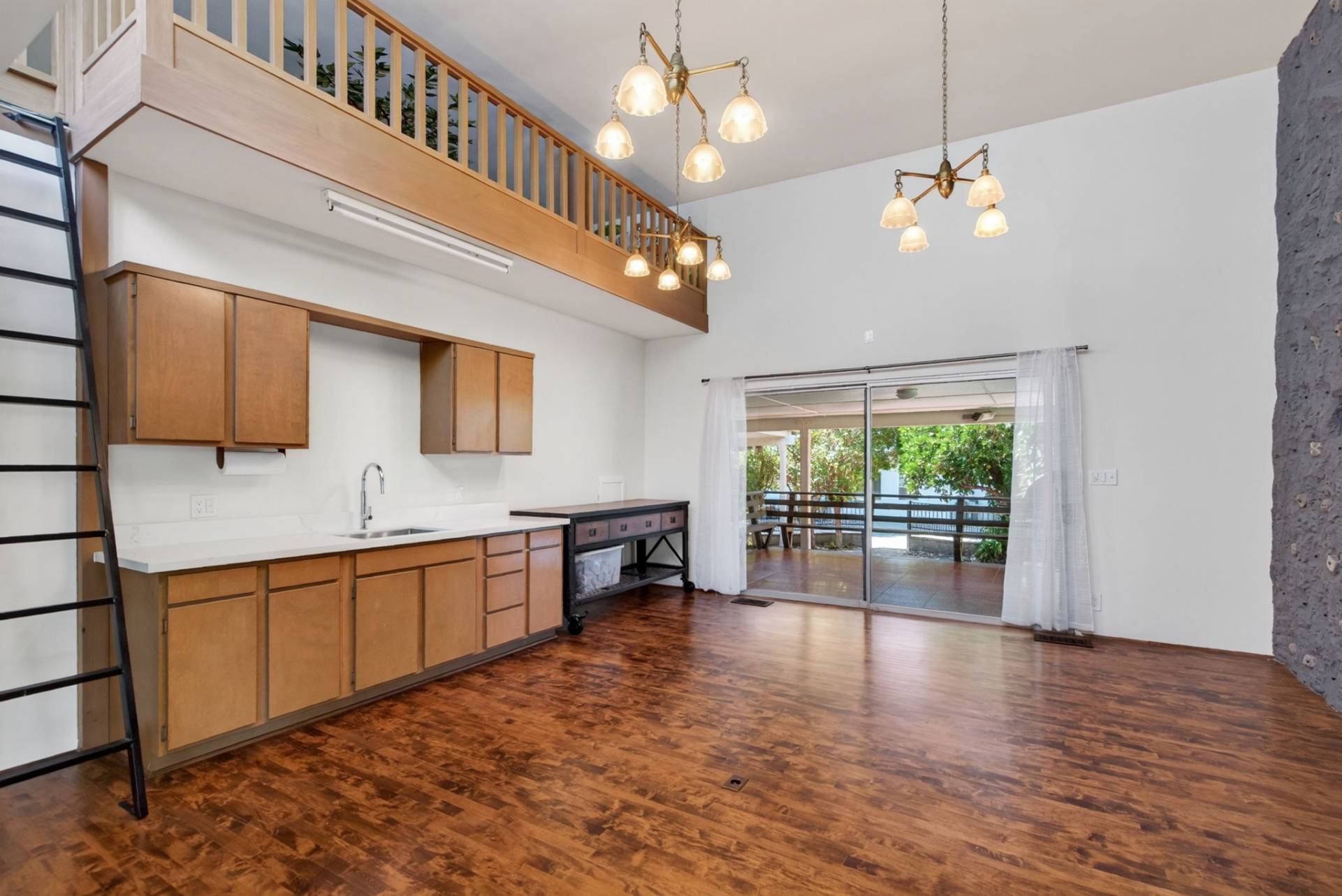
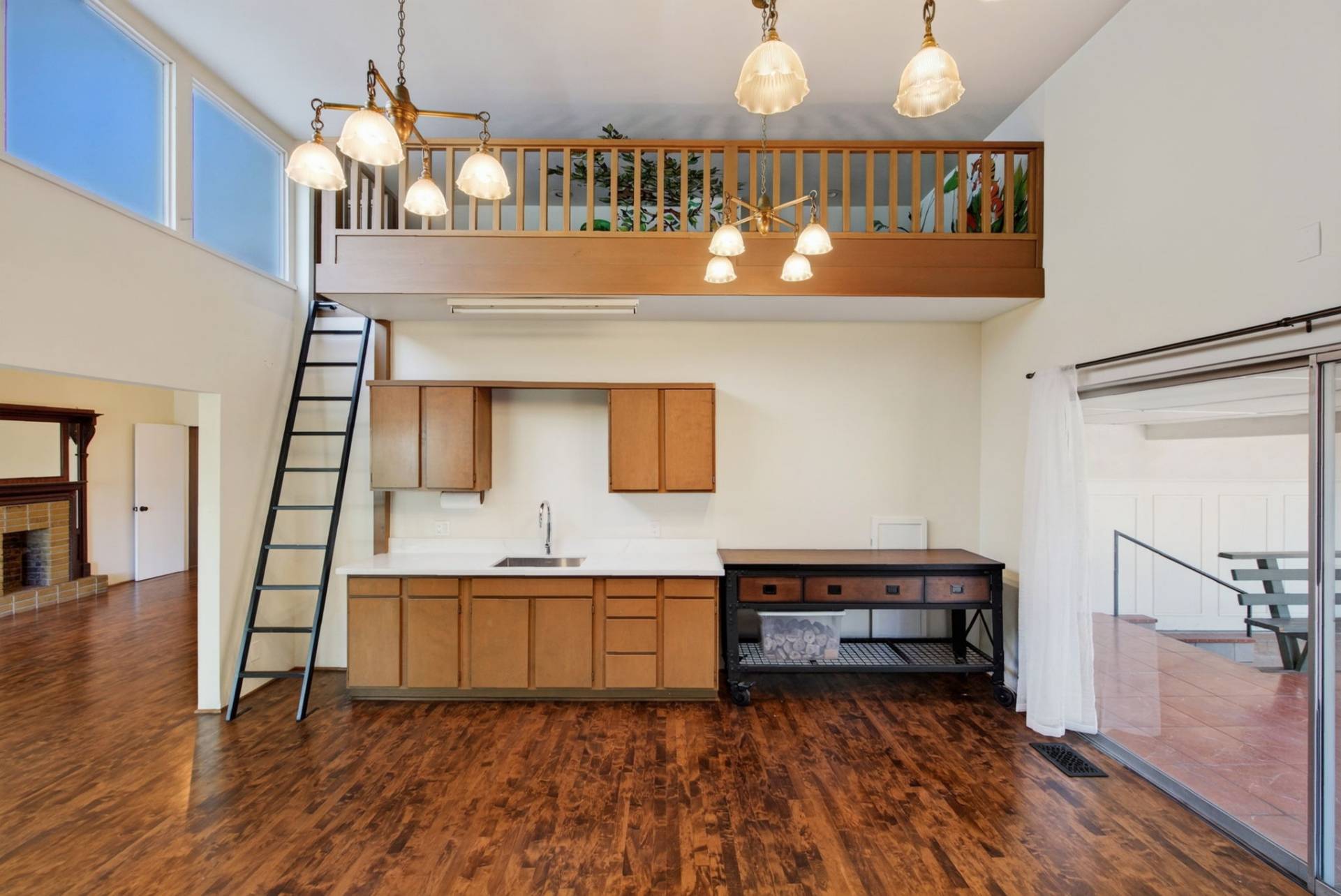
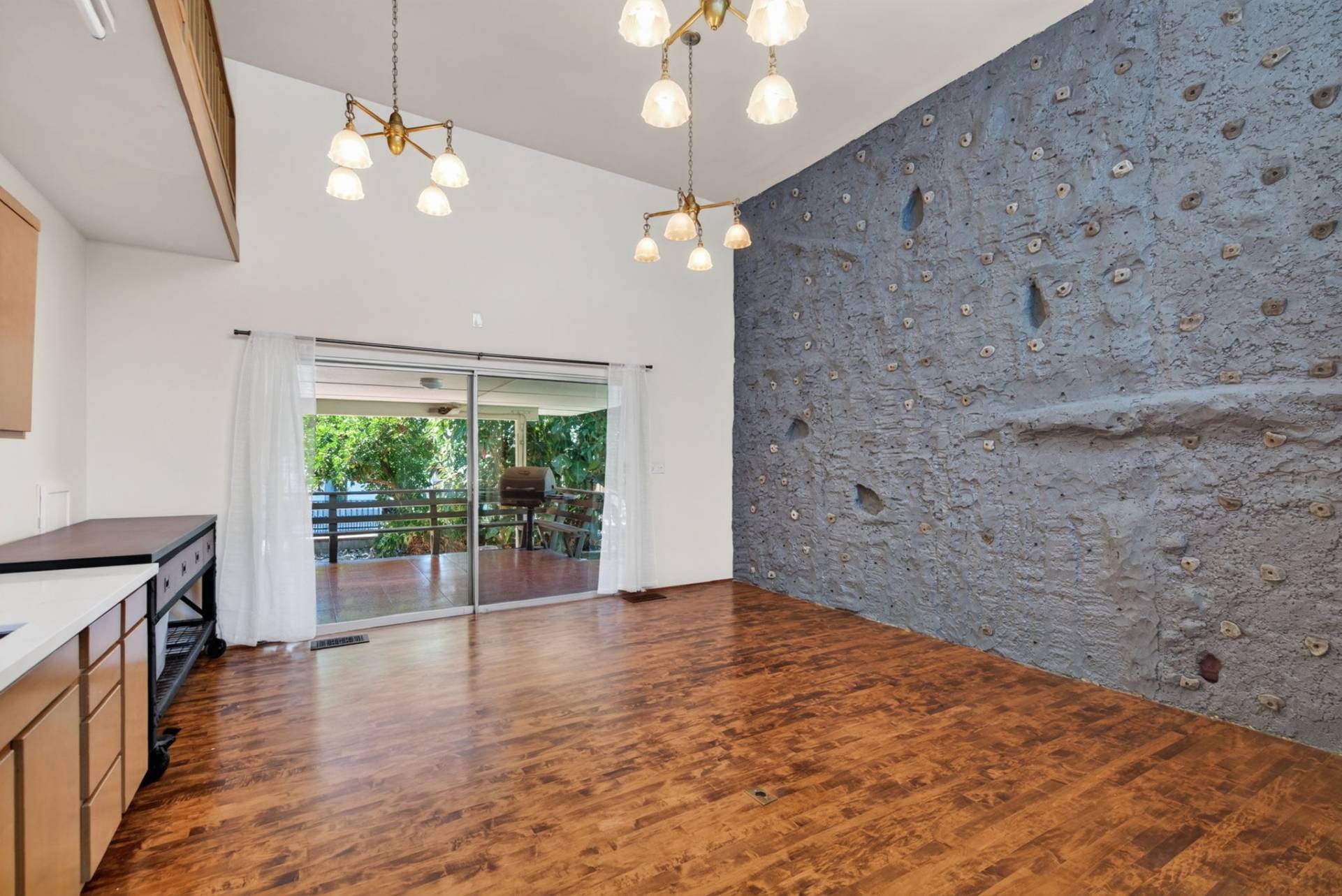
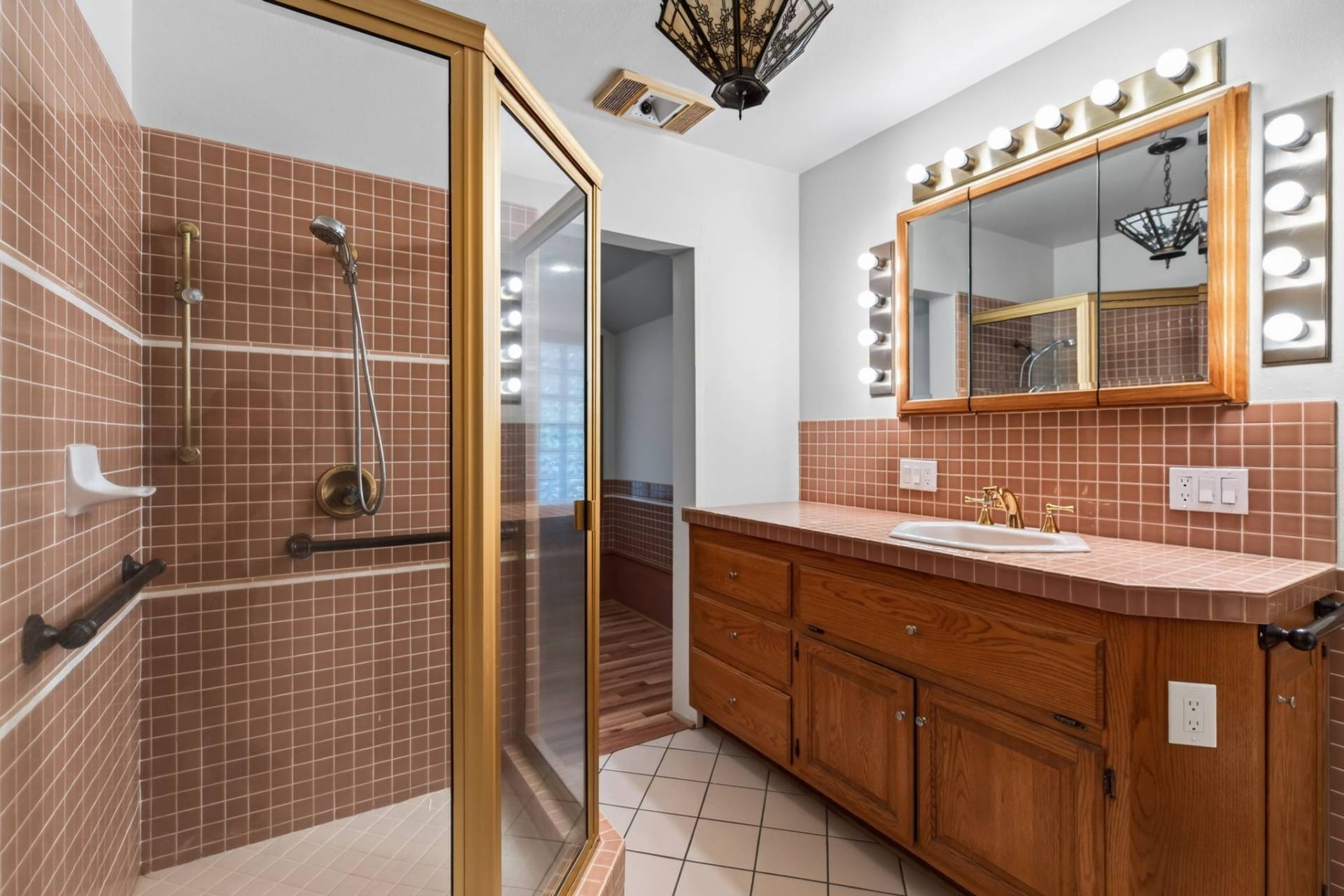
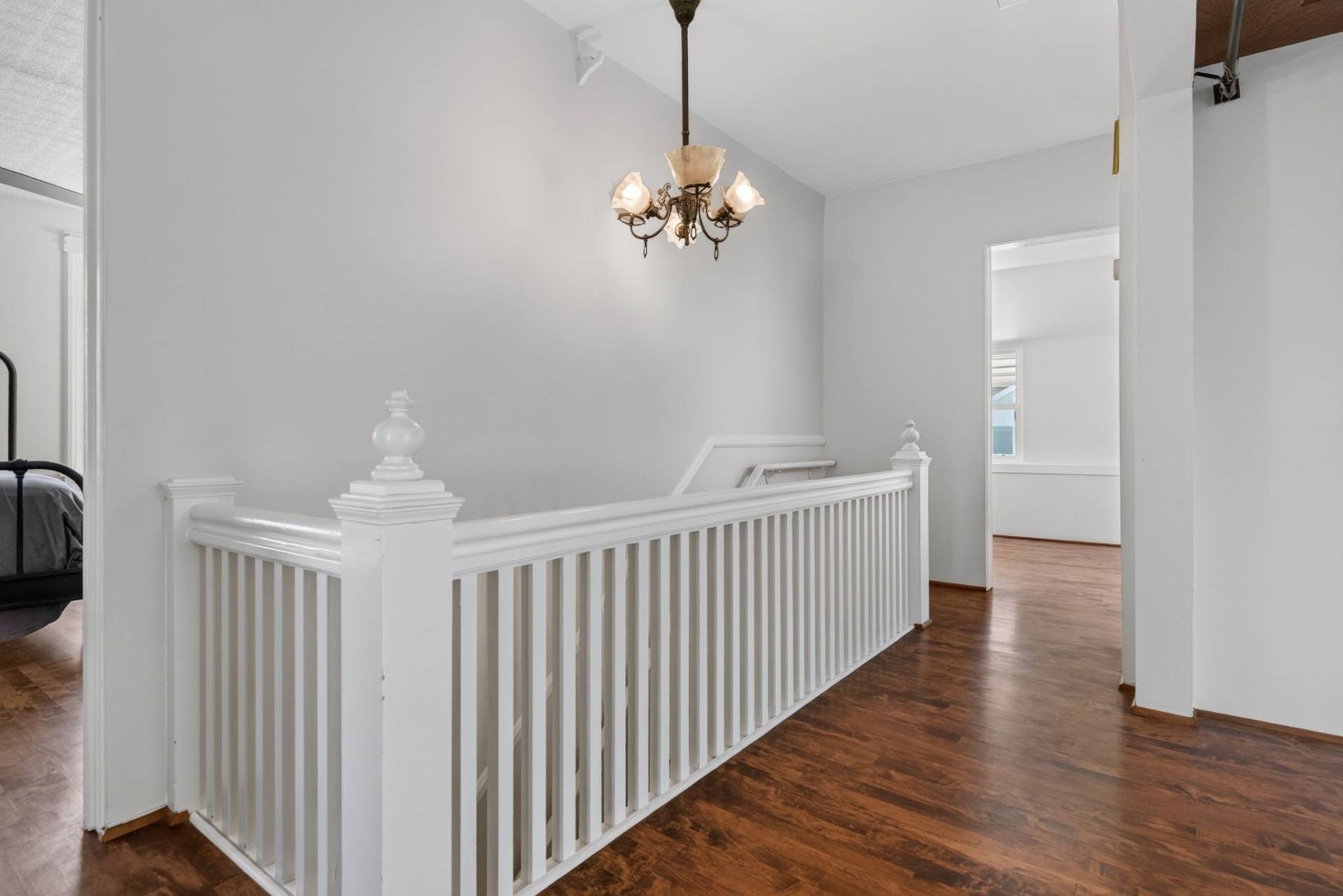
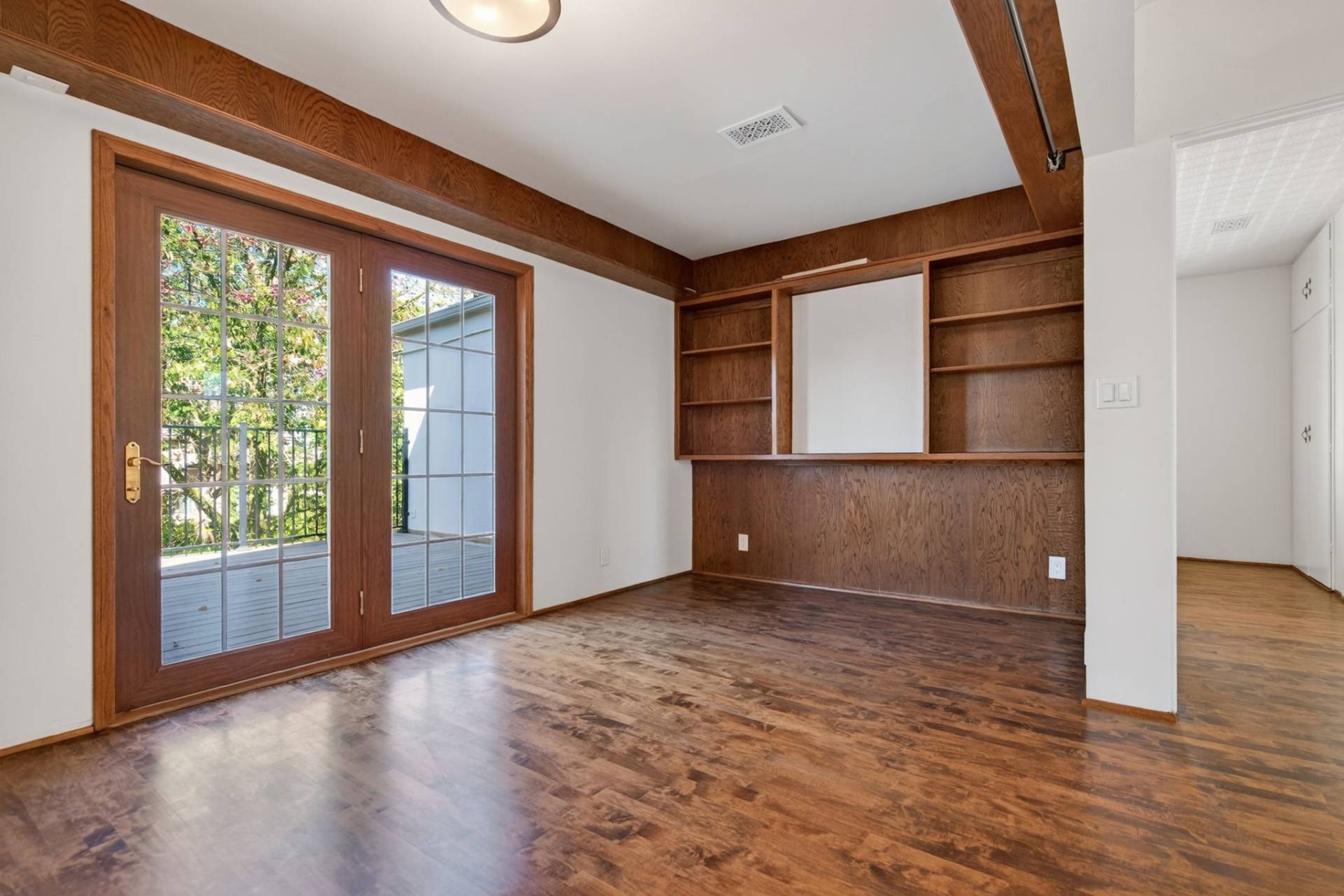
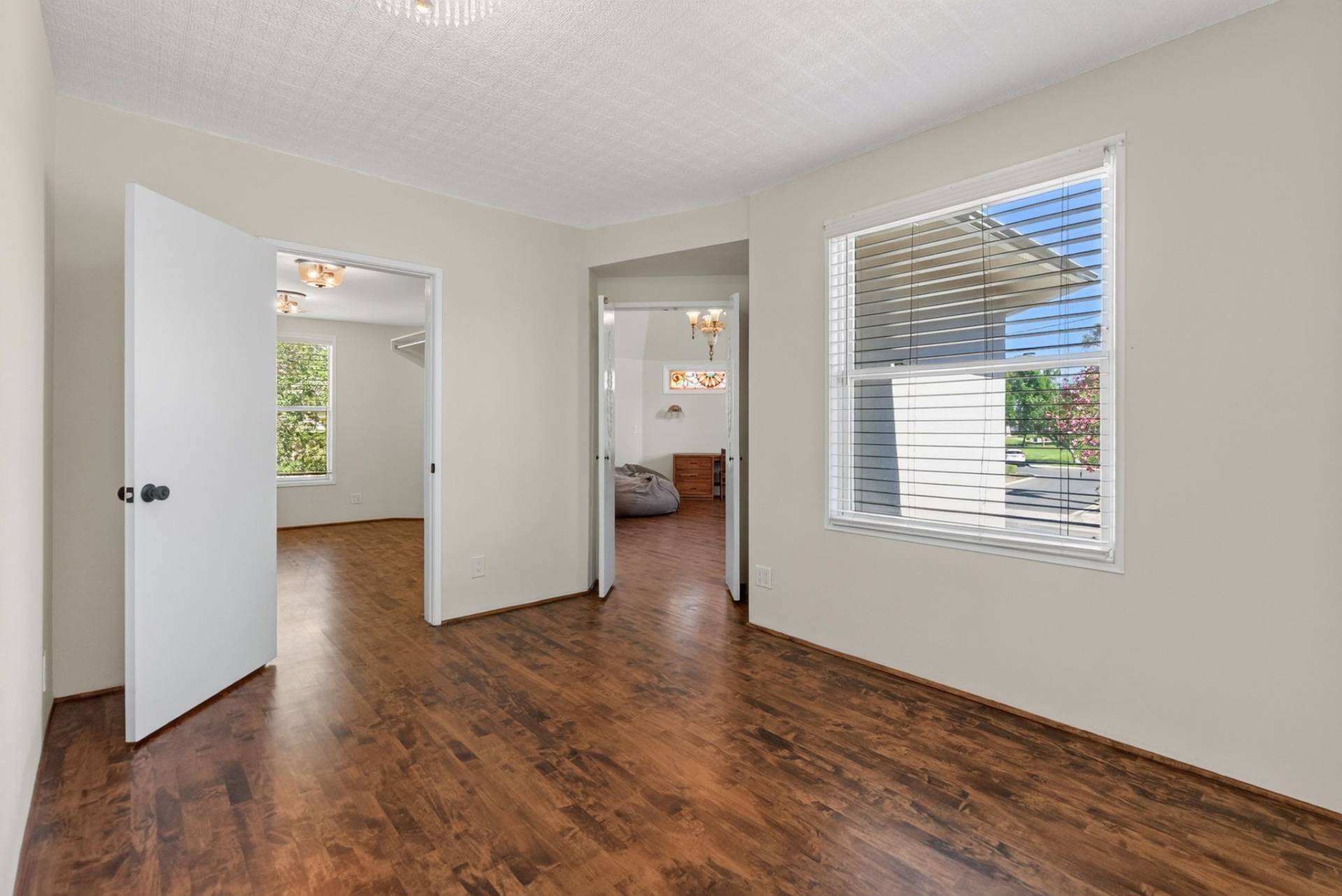
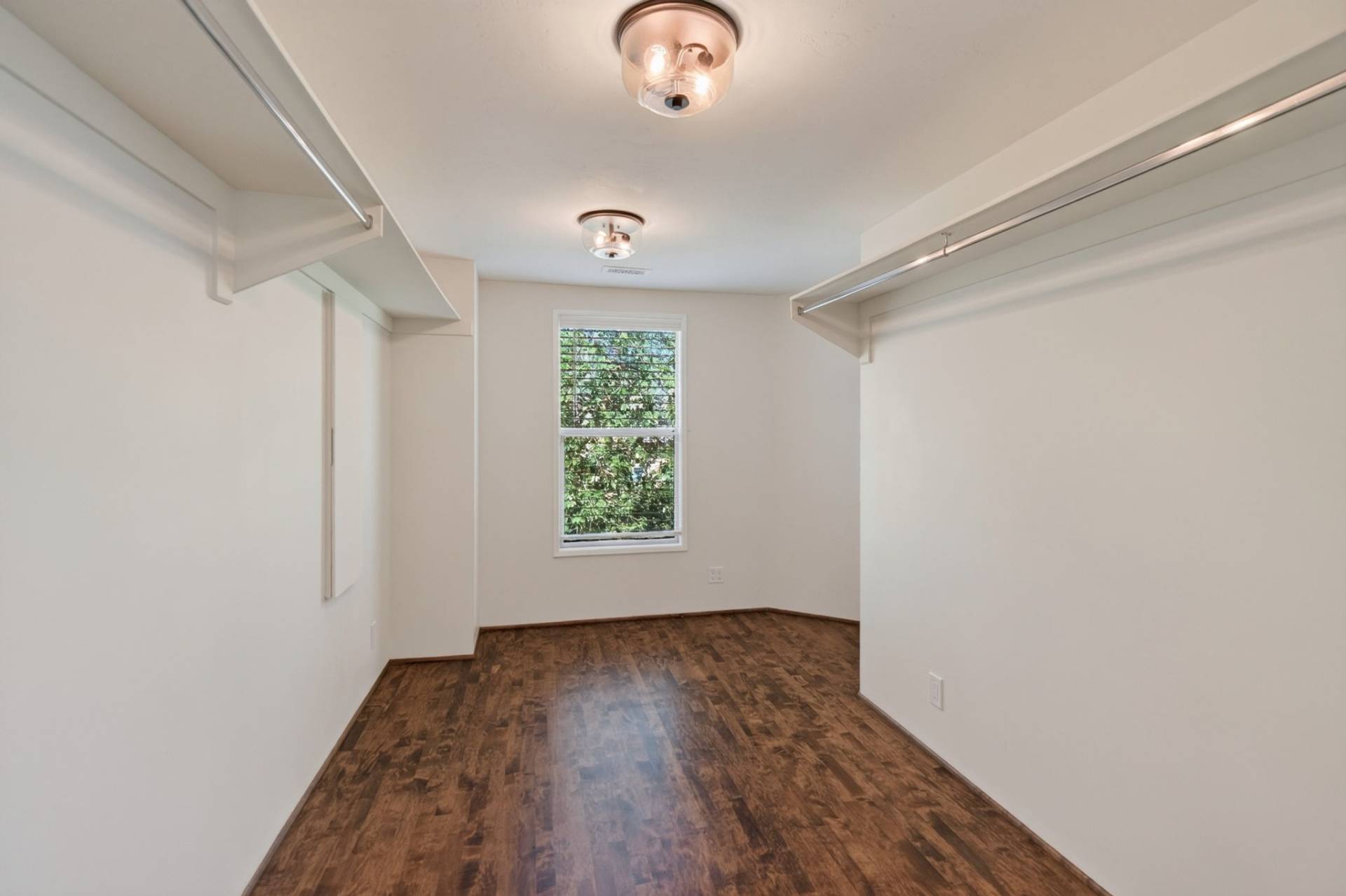
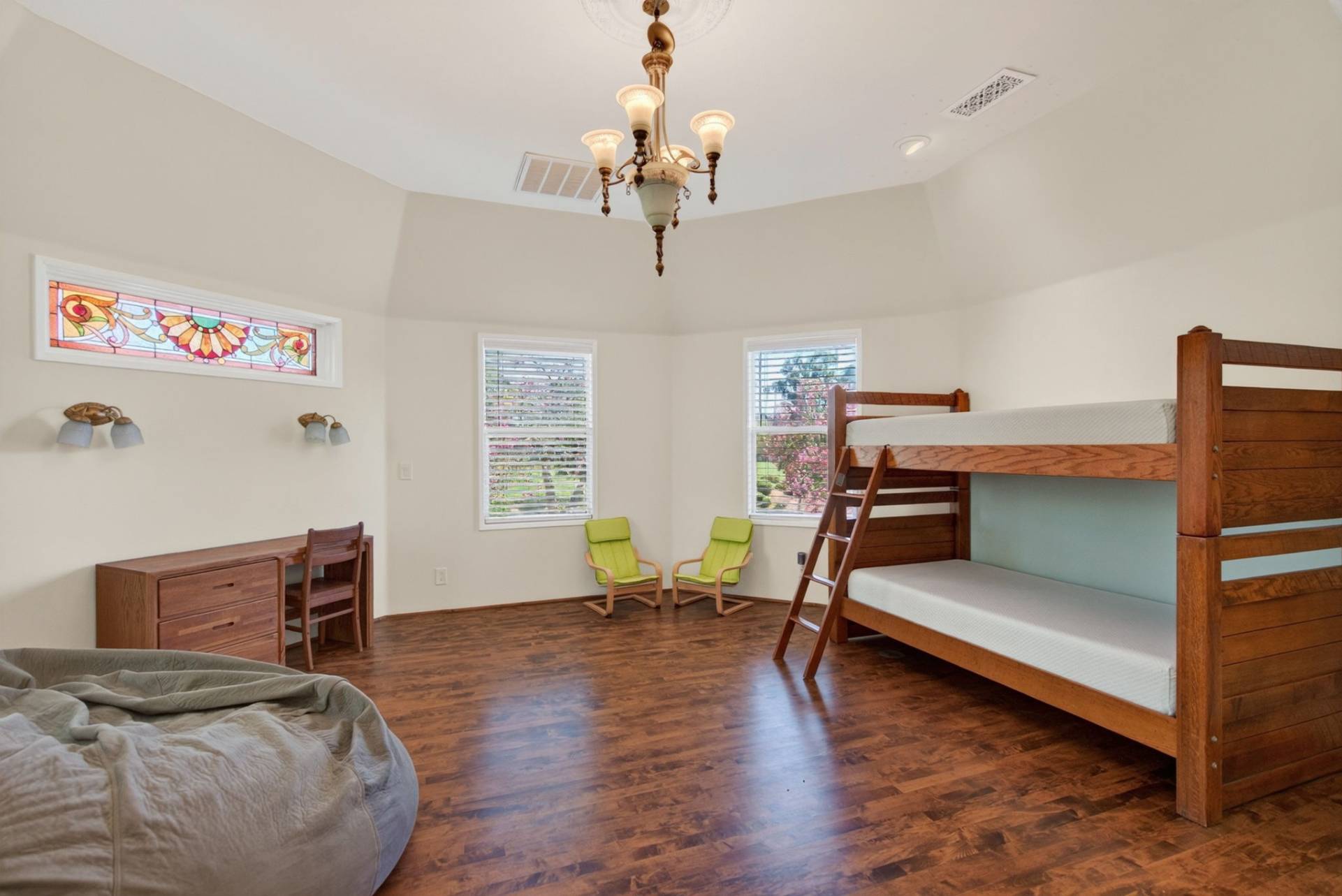
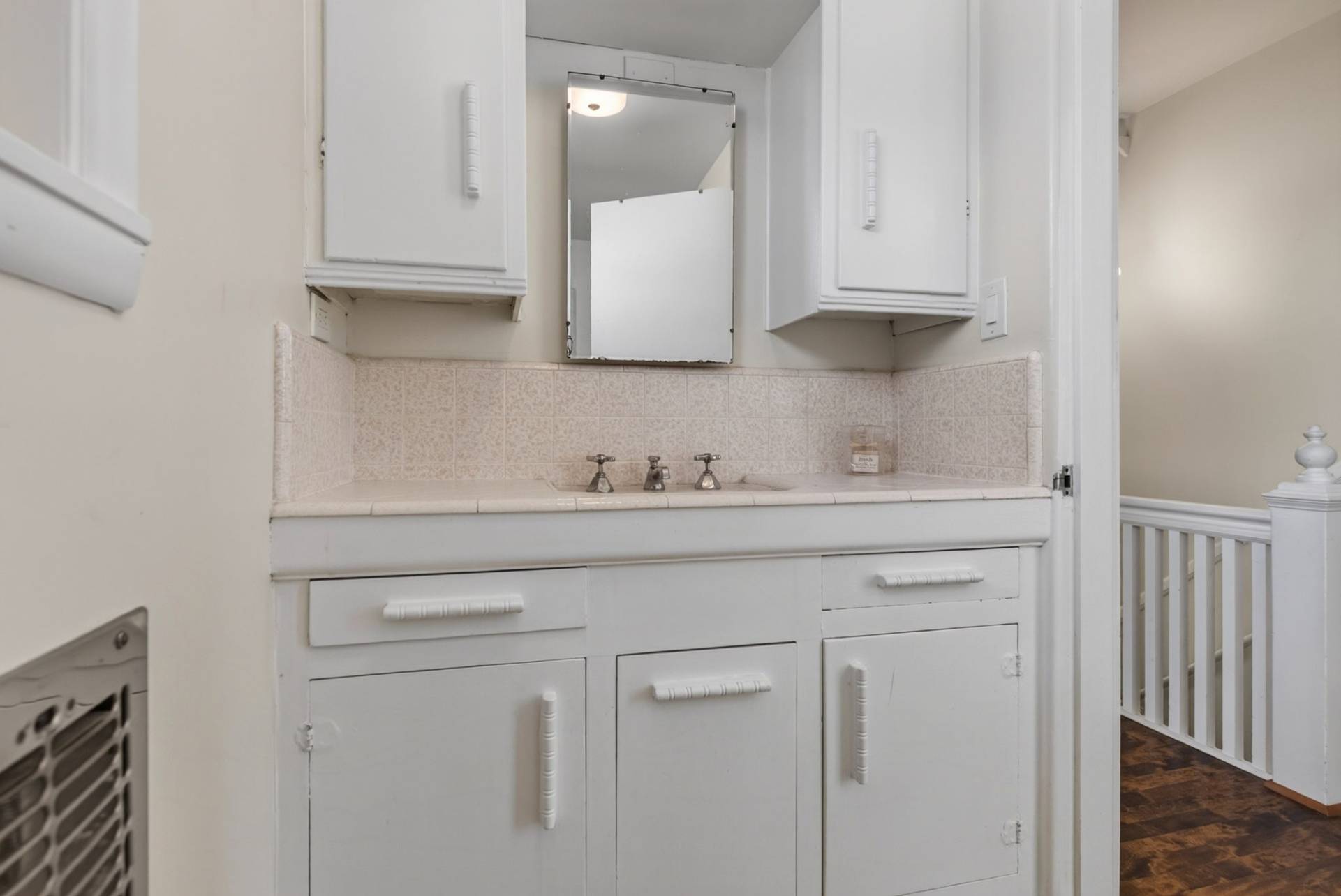
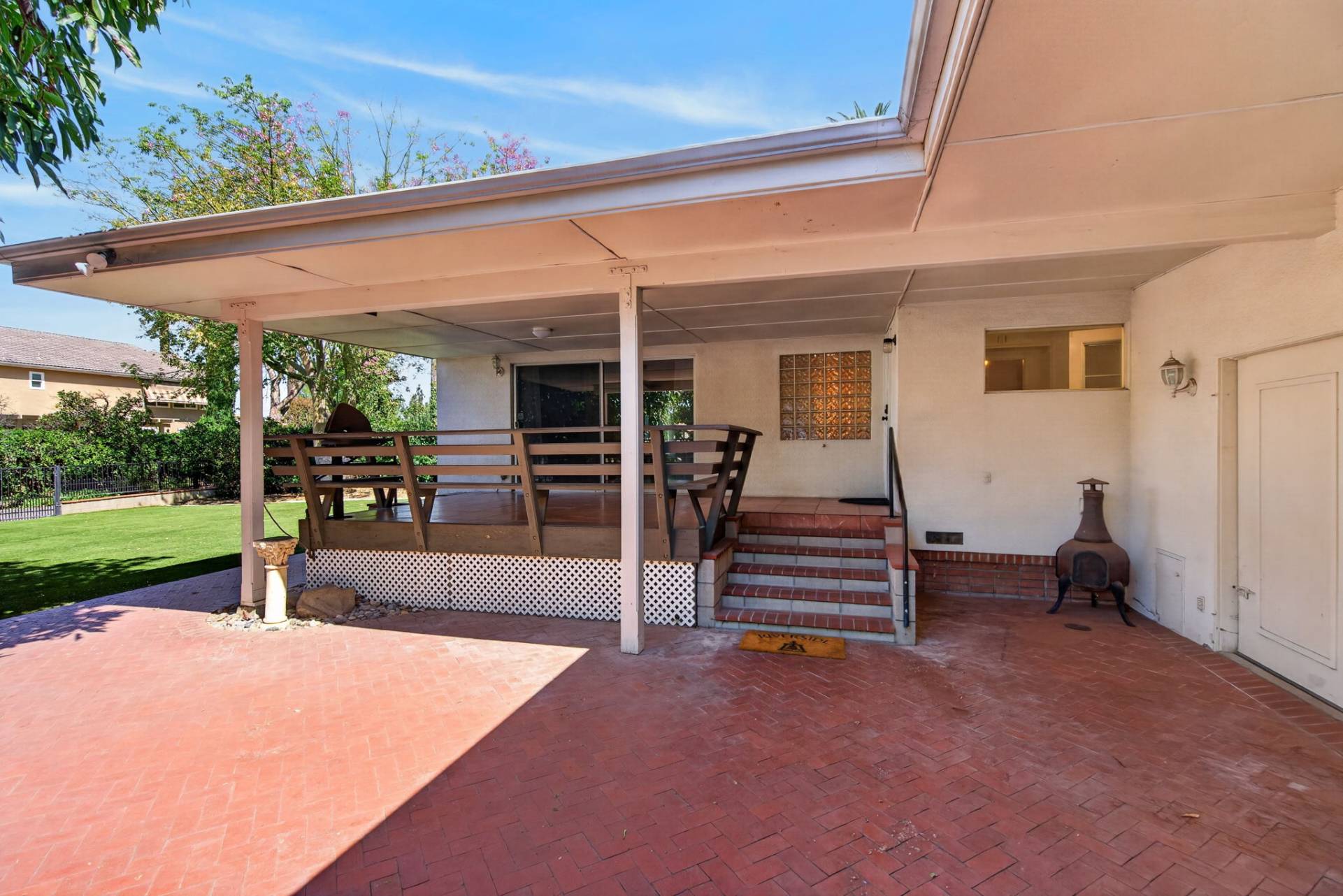
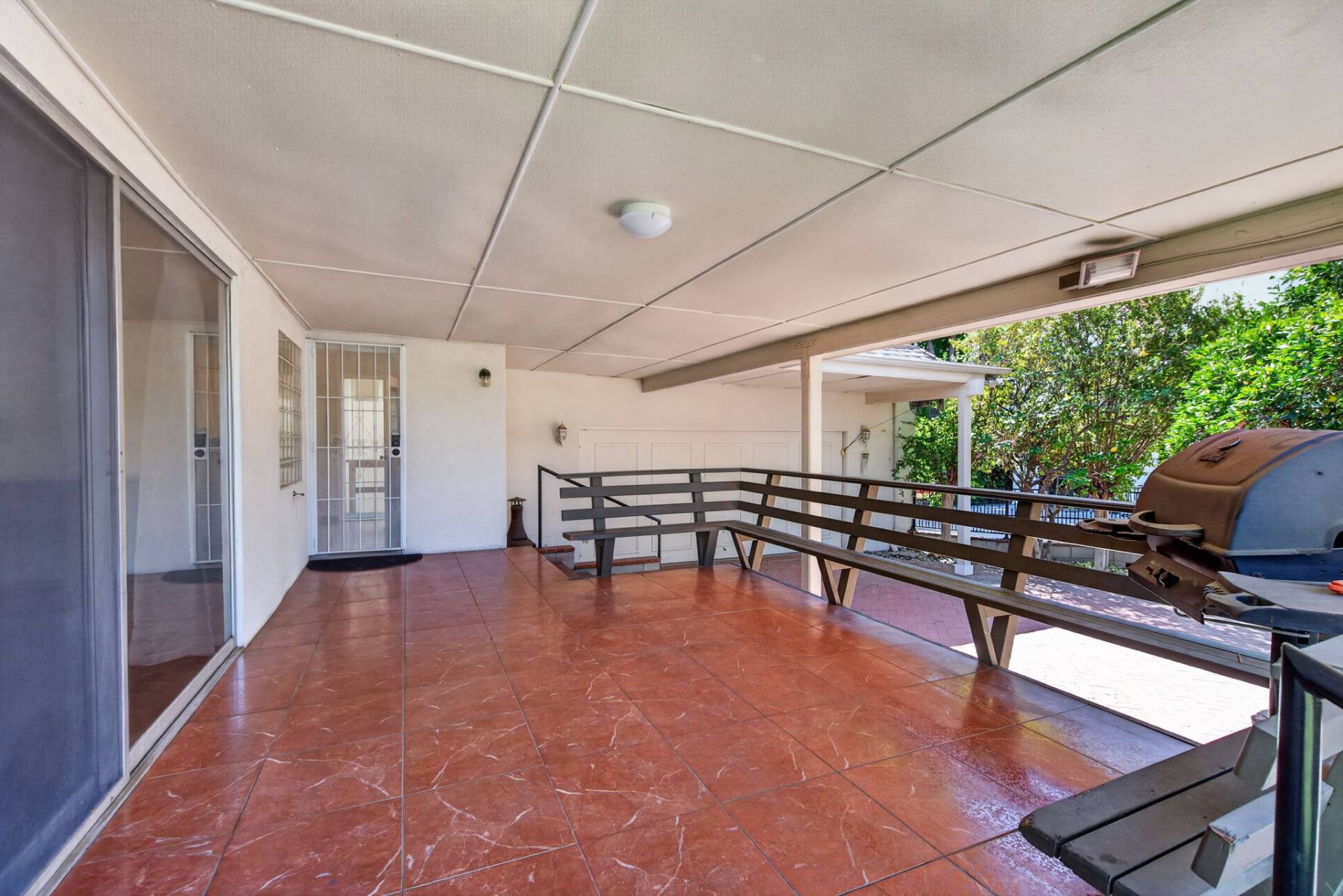
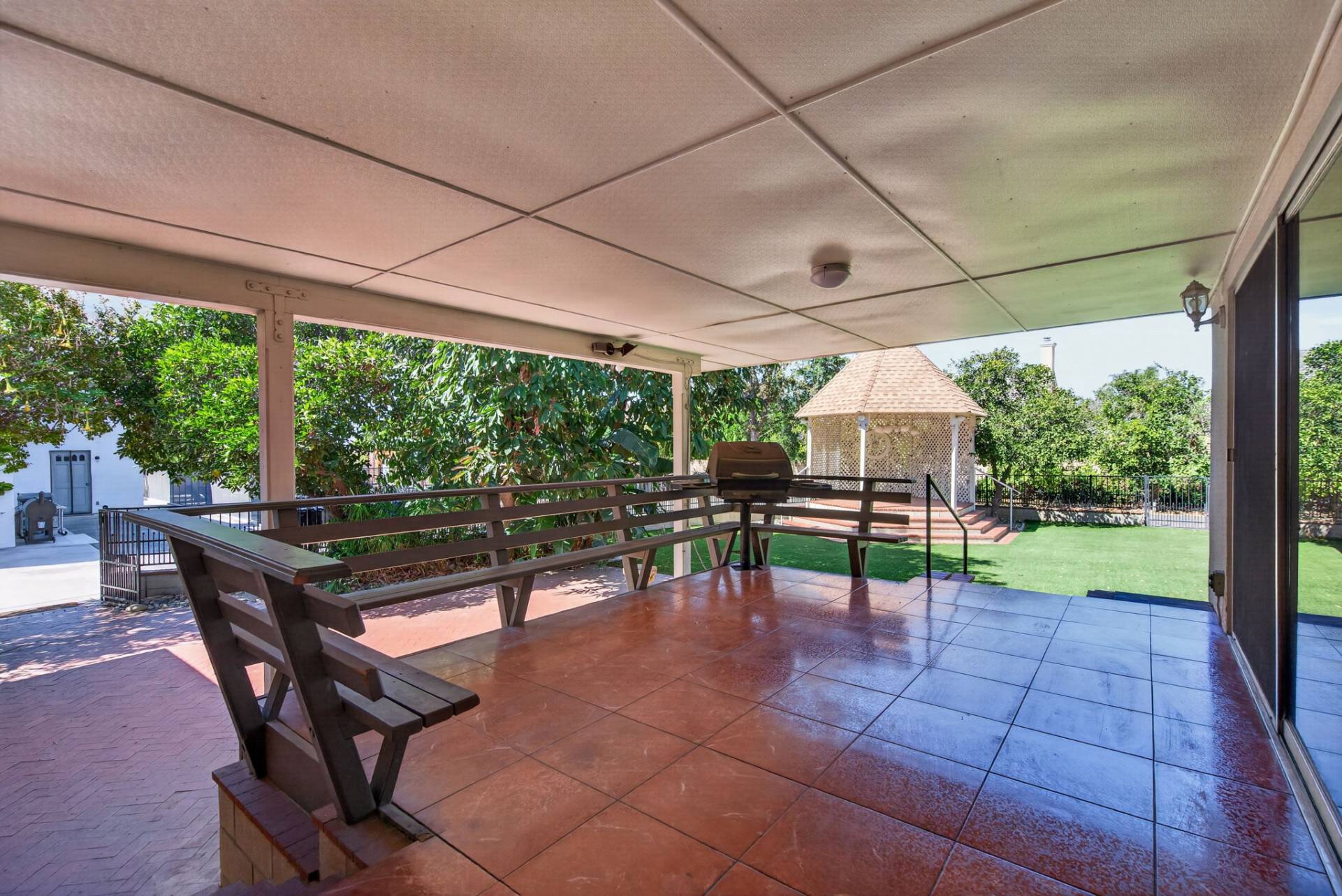
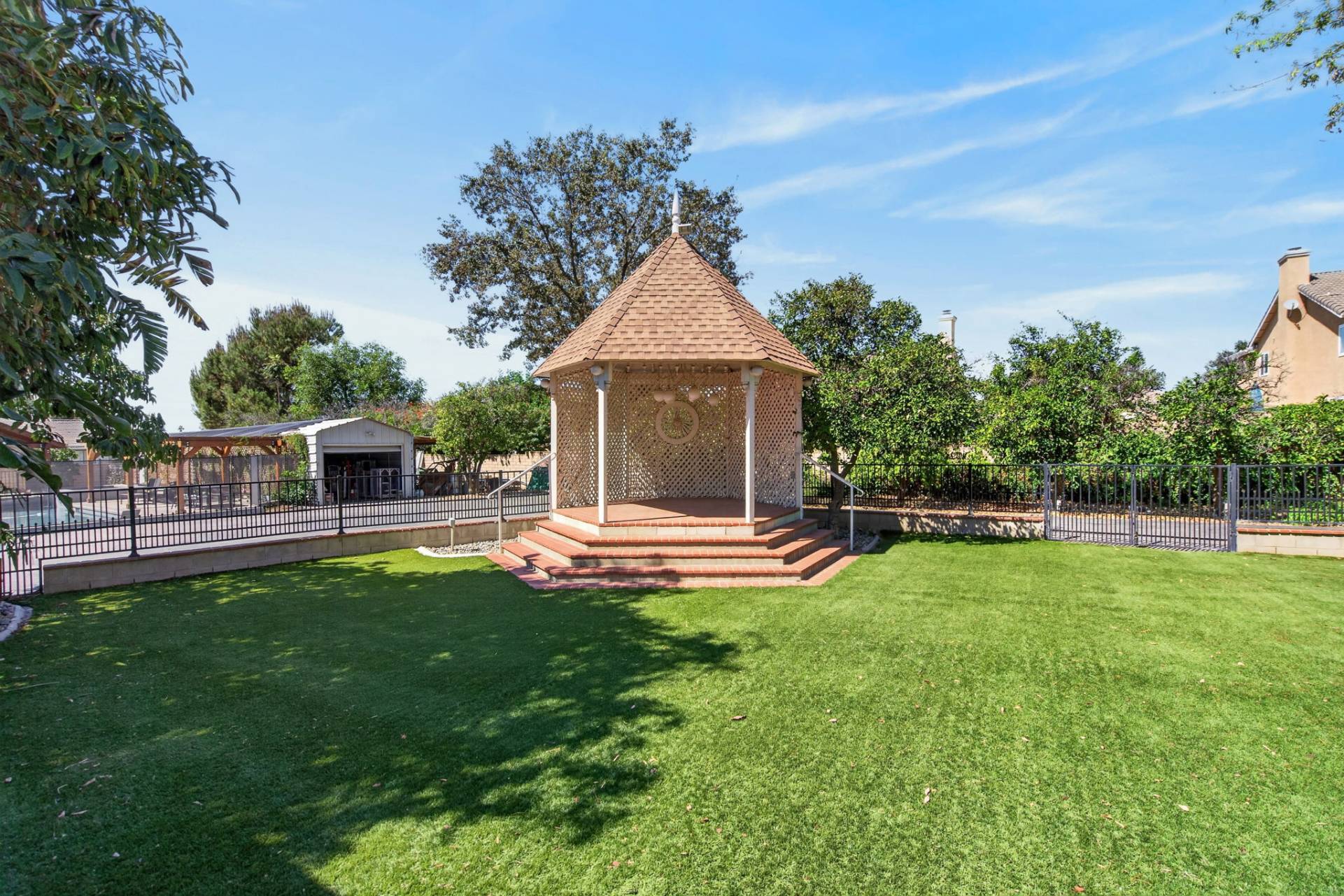
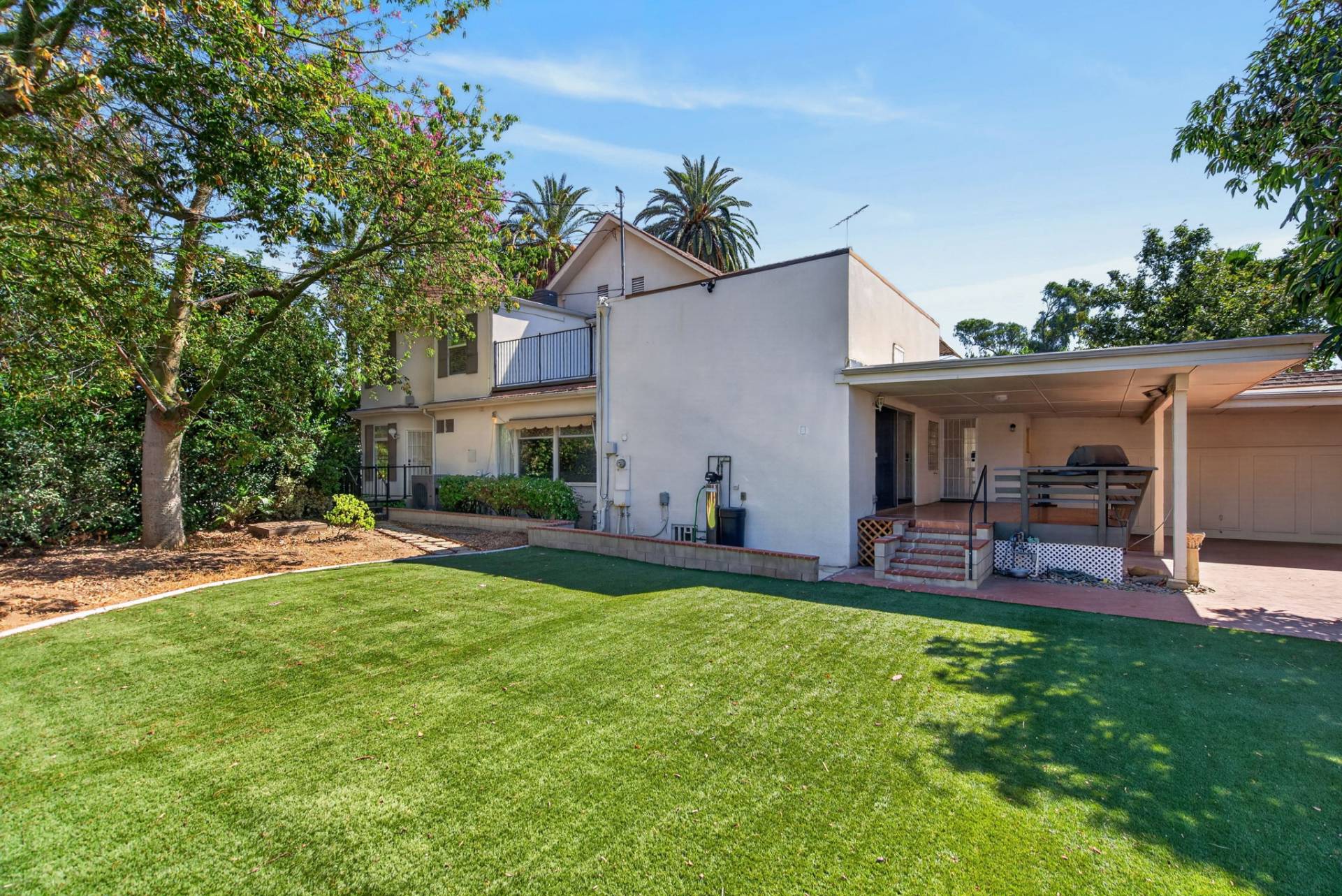
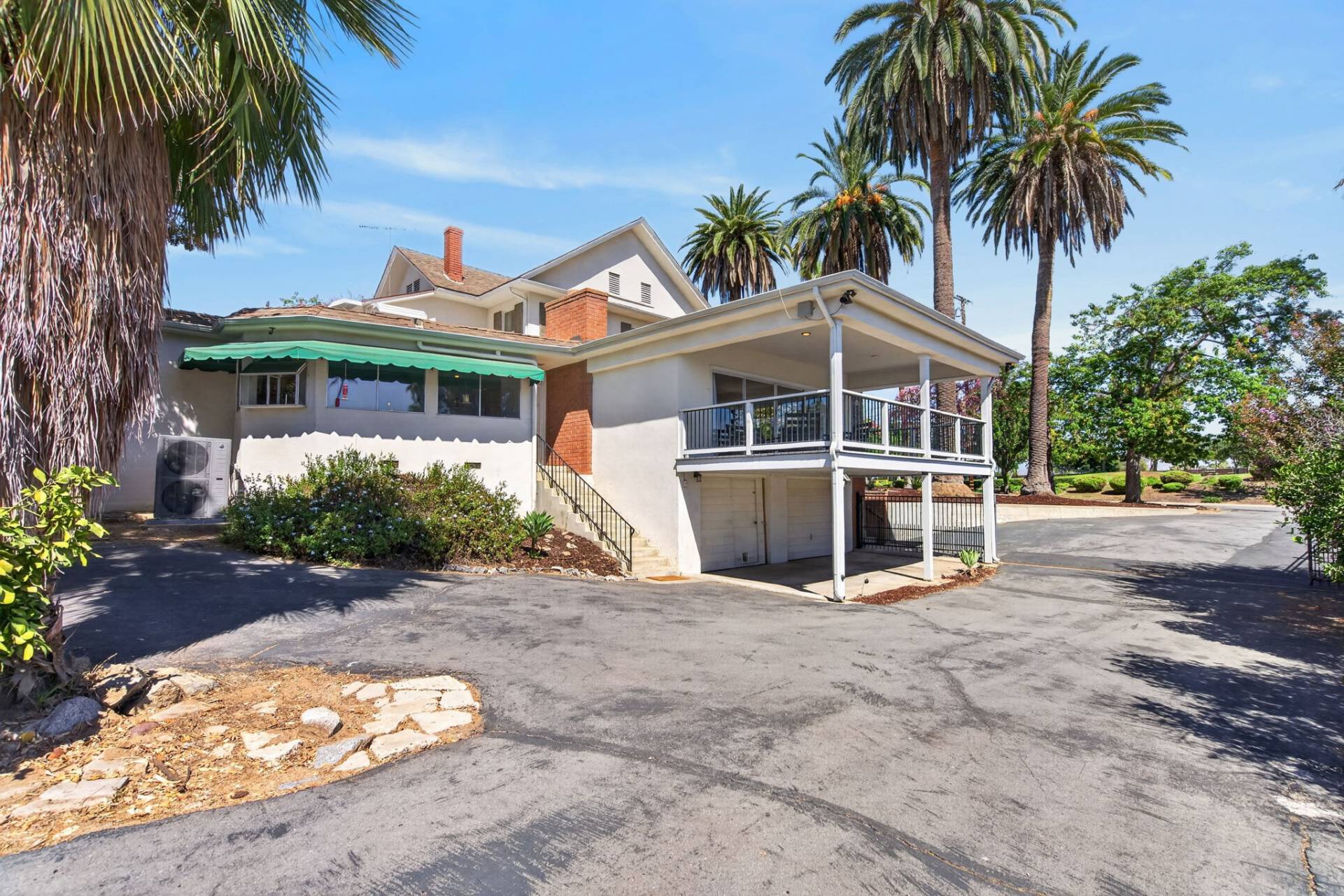
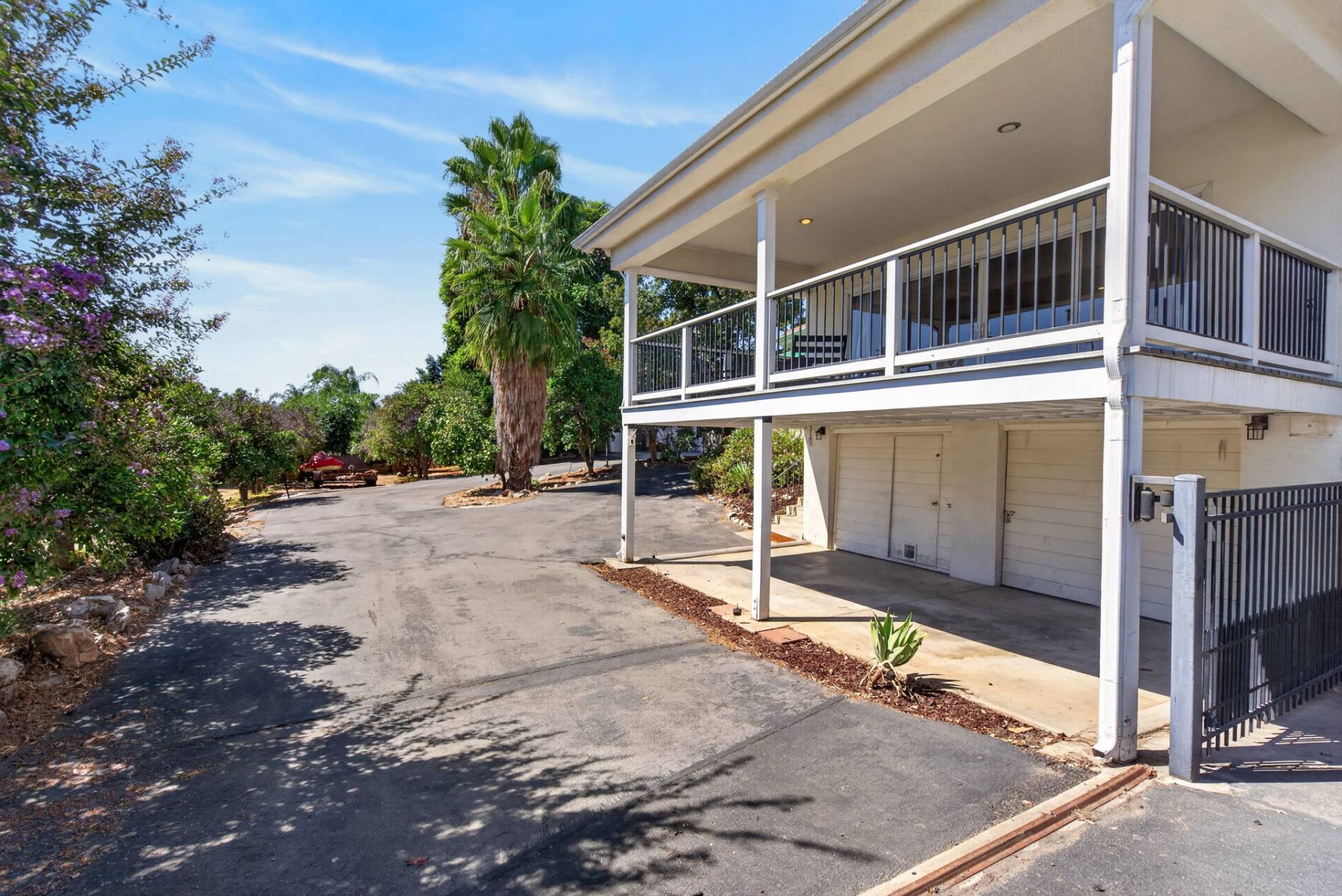
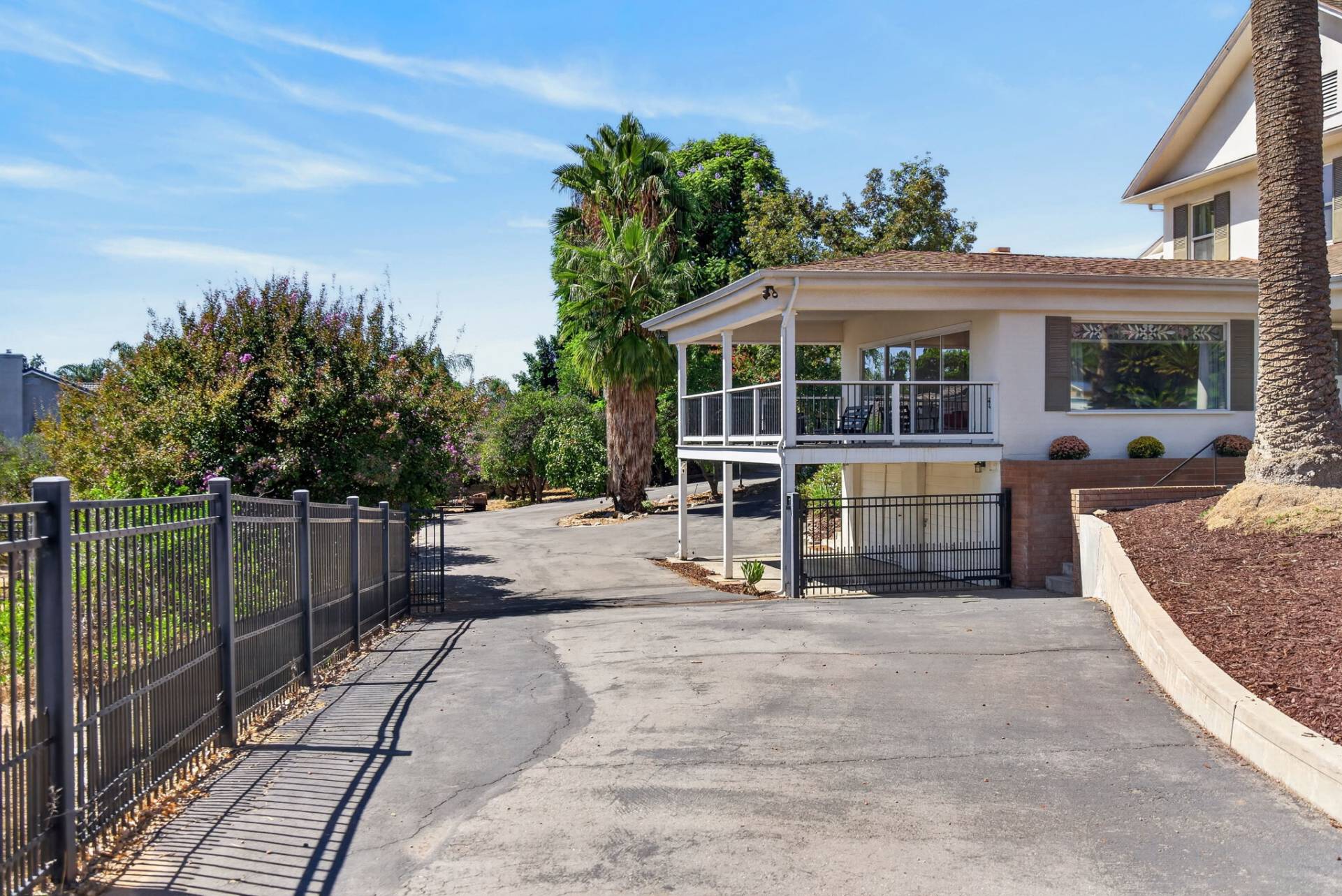
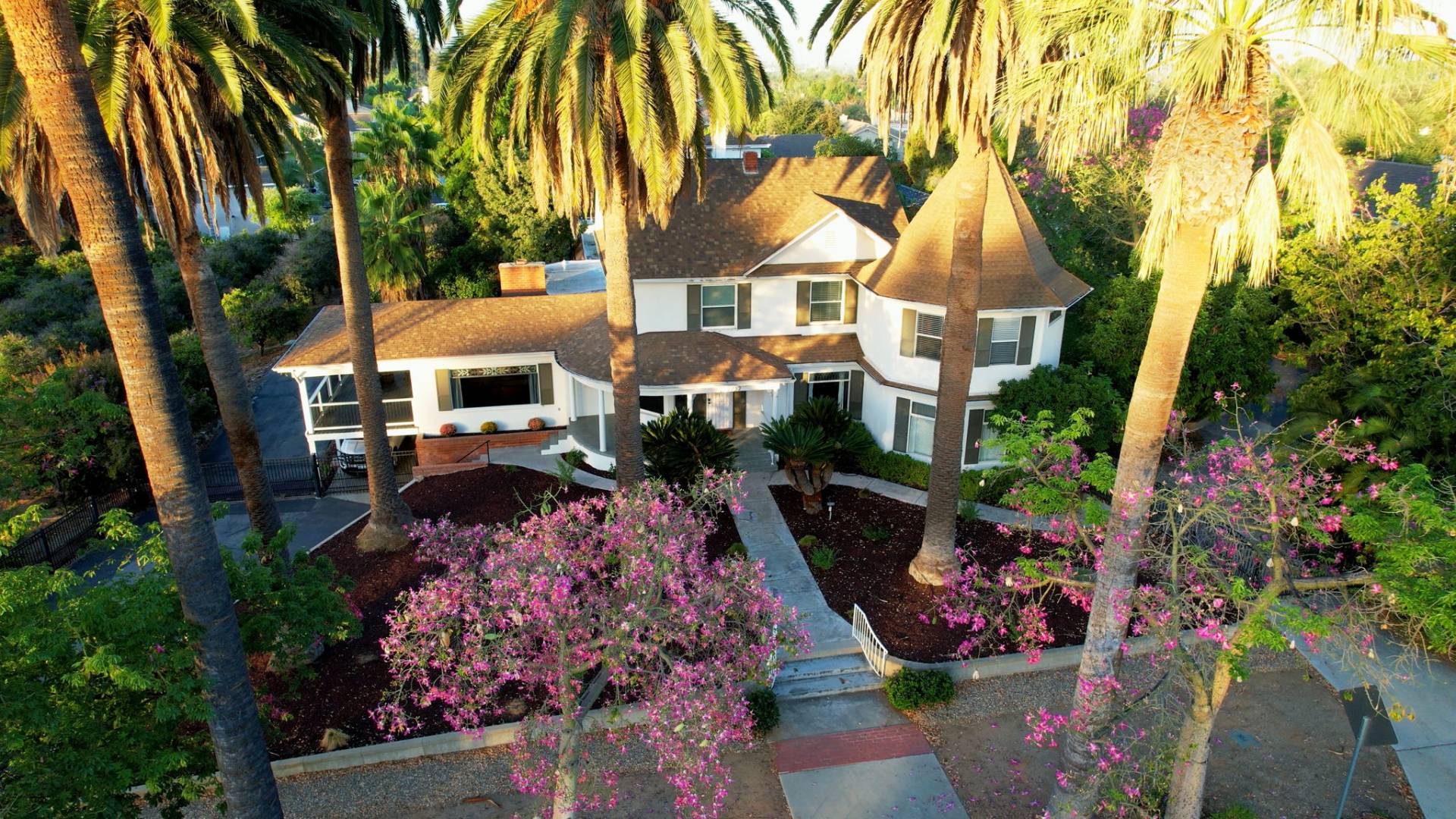
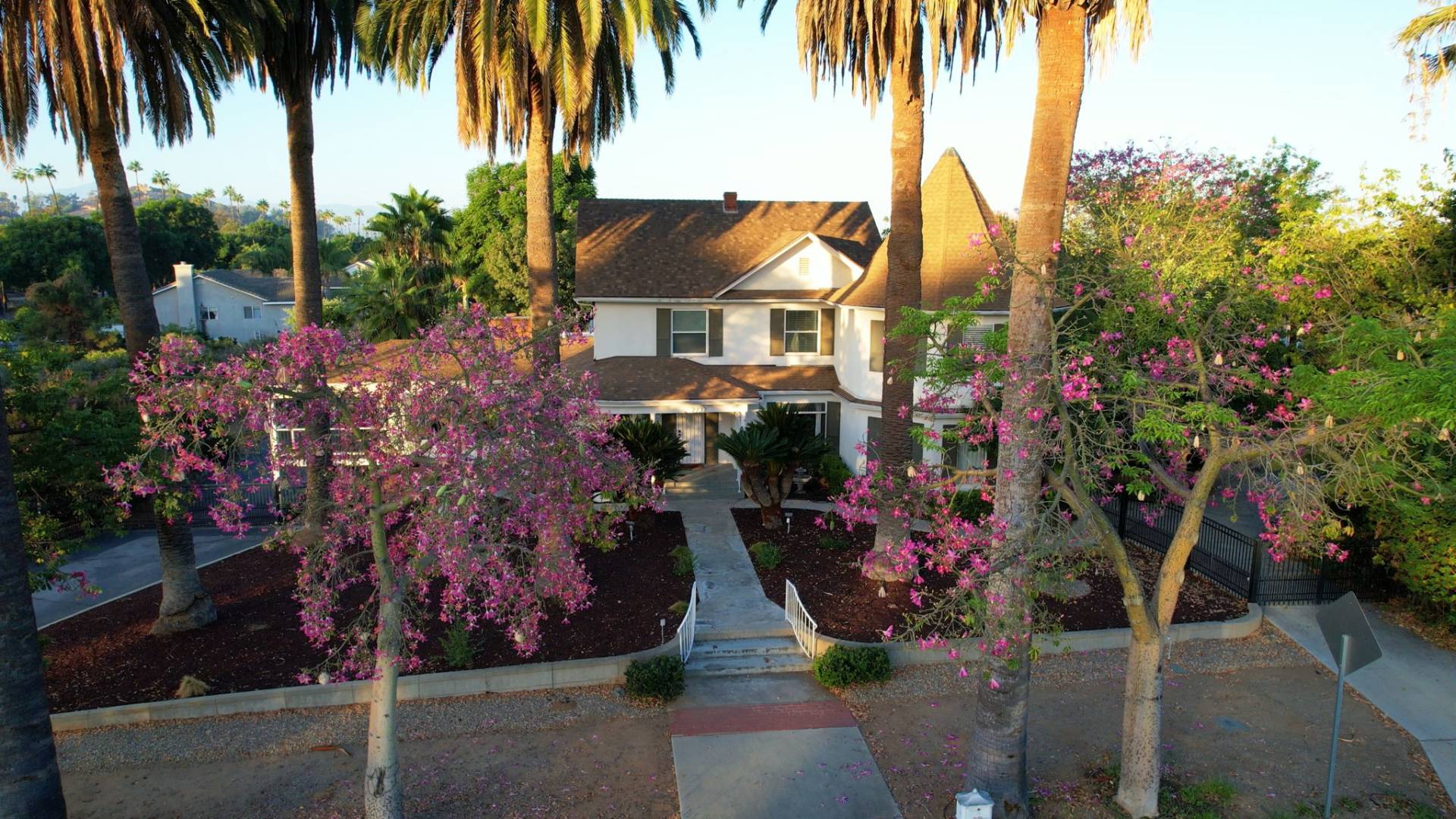
Welcome to the historic Puffer-Lamar Home, a landmark estate set along the tree-canopied corridor of Riverside’s prestigious Victoria Avenue within the protected Greenbelt. Originally established in 1900 as a working citrus farmhouse, this distinguished property stands as a remarkable testament to California’s golden citrus era. The main residence spans 4,245 square feet, defined by two thoughtful historical expansions and unique architectural details, most notably its signature octagonal tower inspired by Riverside’s well known “Heritage House.” The updated kitchen features sleek quartz countertops, premium stainless-steel appliances, and an embossed relief ceiling reminiscent of historic tin design, all framed by sweeping views across the private citrus groves and mature palms. Complementing the main residence is an expansive detached structure housing two separate living spaces, bringing the total livable footprint to an impressive 7,253 square feet. The property is now ideal for multi-generational living, guest quarters, or private creative studios. Modern infrastructure meets historic charm with extensive recent capital investments, including seismic/earthquake retrofitting, newly installed hardwood flooring, upgraded HVAC systems, and a resort-style pool and spa. The grounds offer seclusion and privacy, framed by mature citrus, avocado, and various fruit trees, alongside an established vegetable garden, you can have your own taste of country living. There is ample parking as well as multiple garages, room for an RV or other toys as well. Tucked behind a lush, historic canopy, this iconic property delivers rare agricultural tranquility, architectural pedigree, and vintage estate living in Riverside’s beautiful Greenbelt.
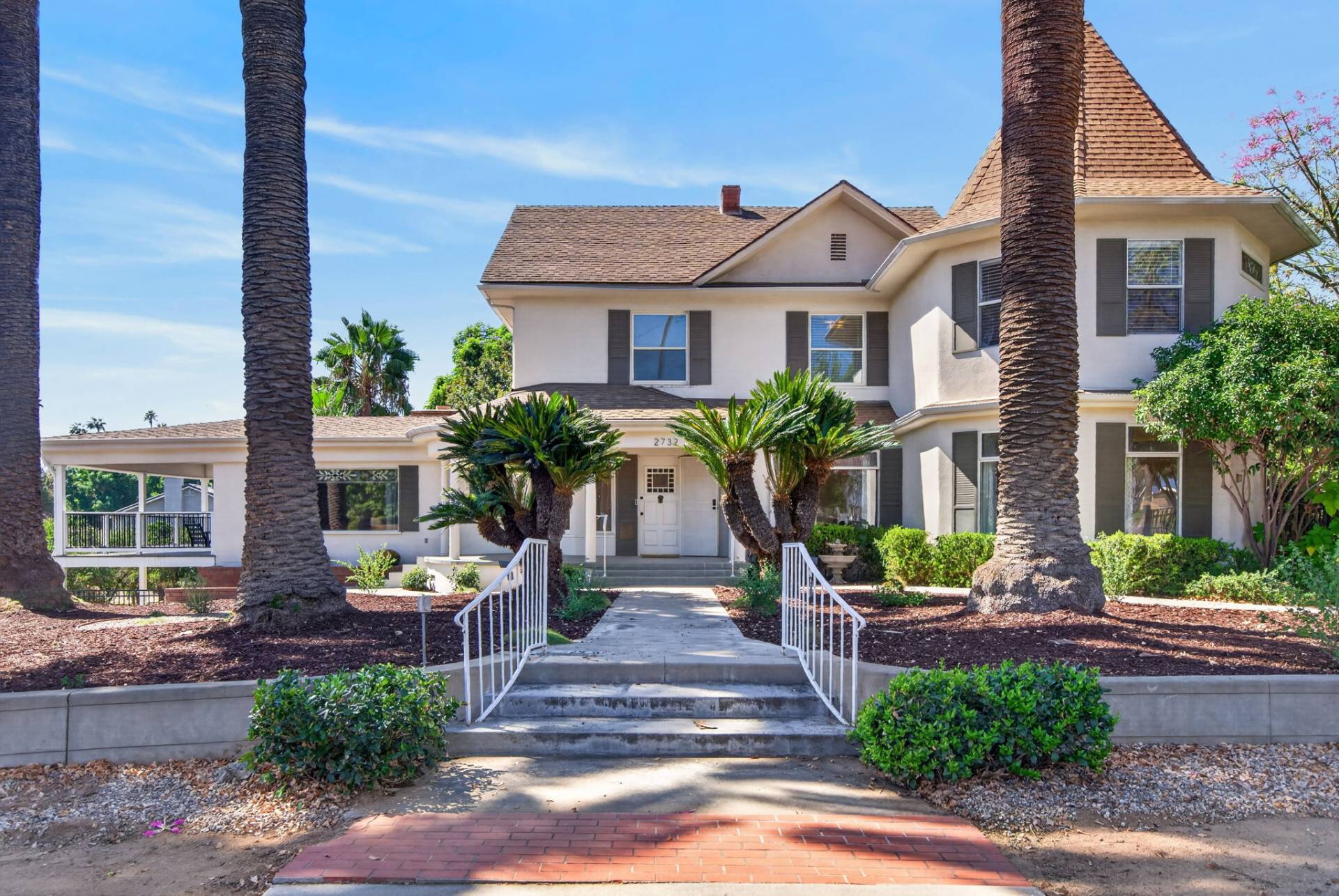
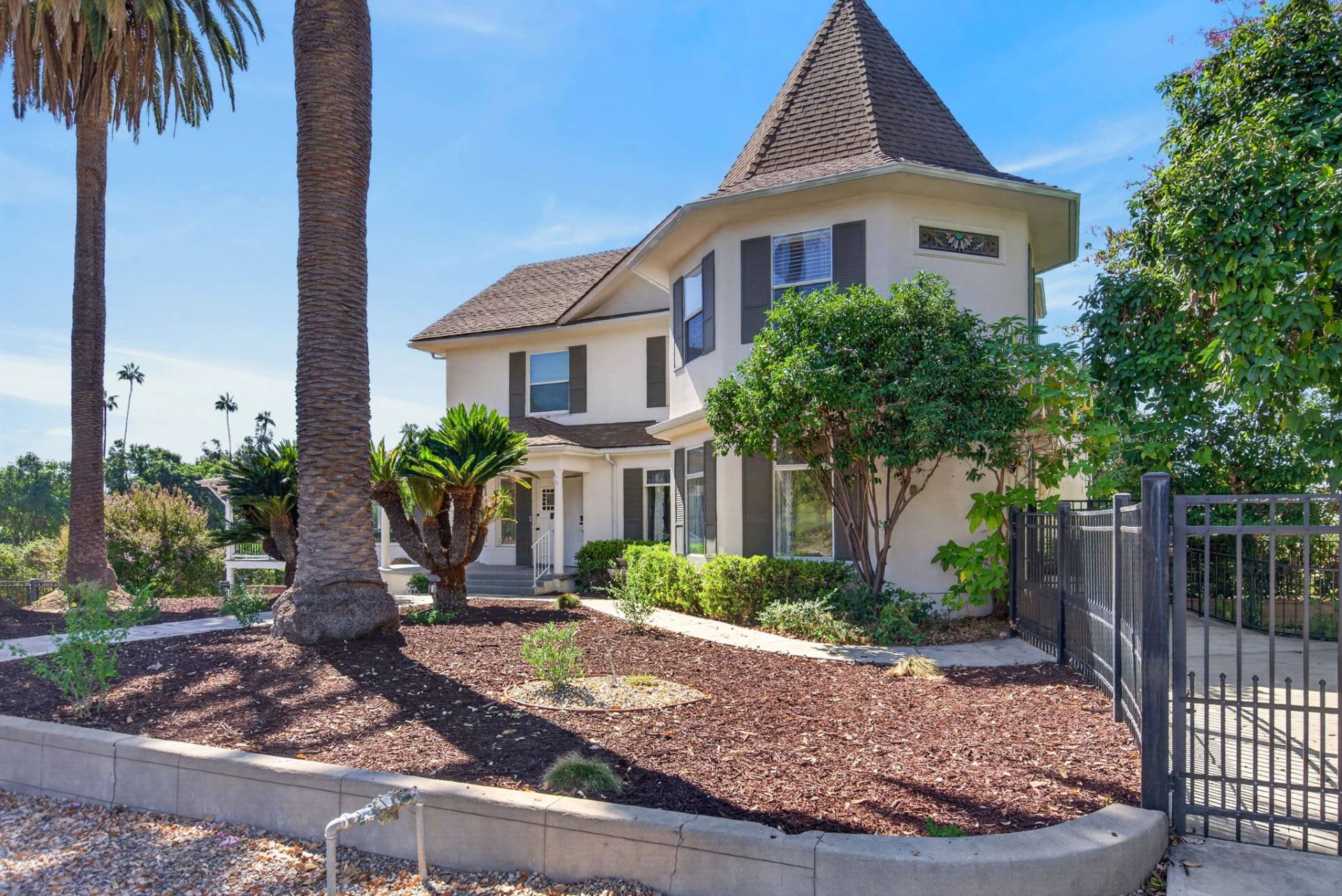
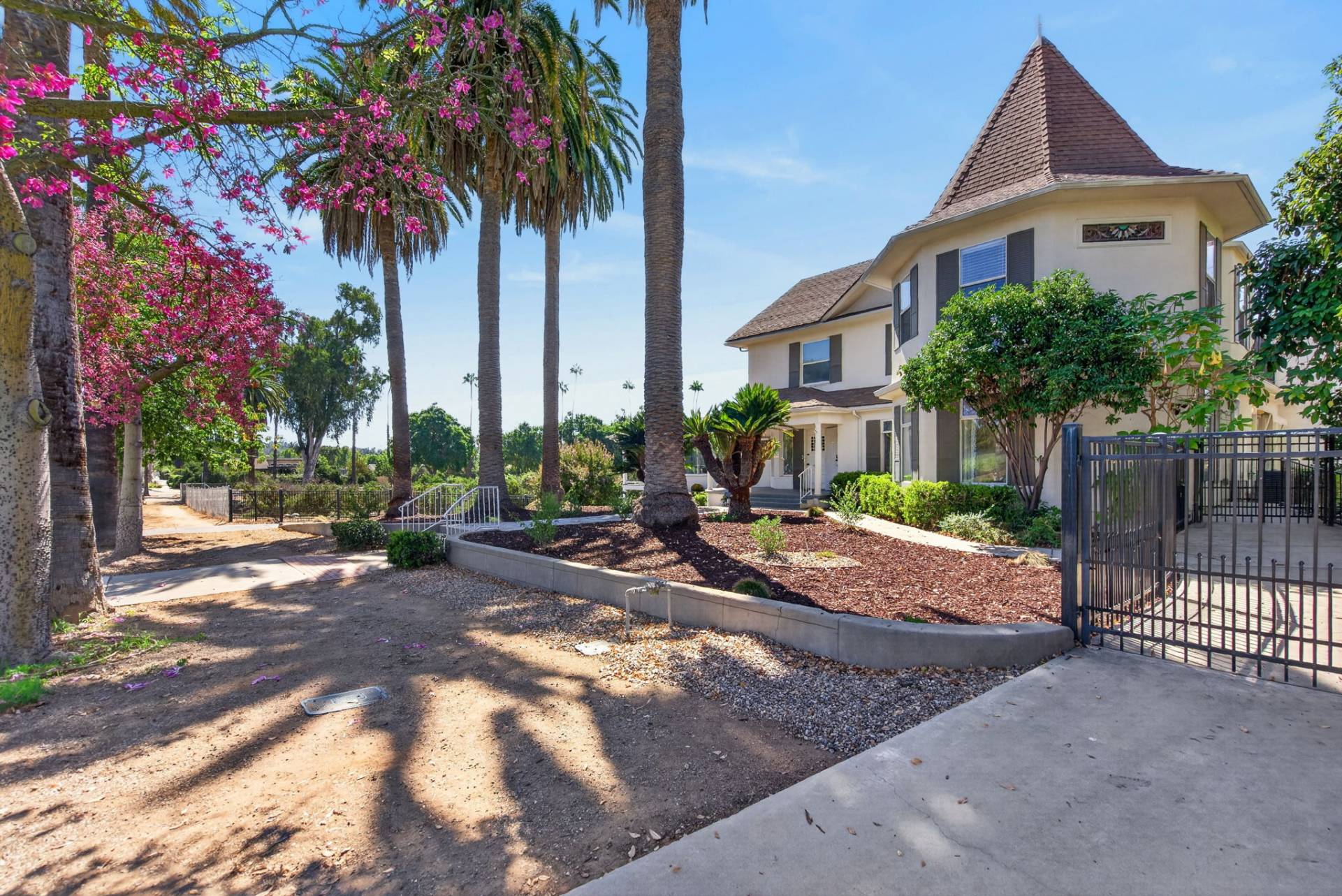
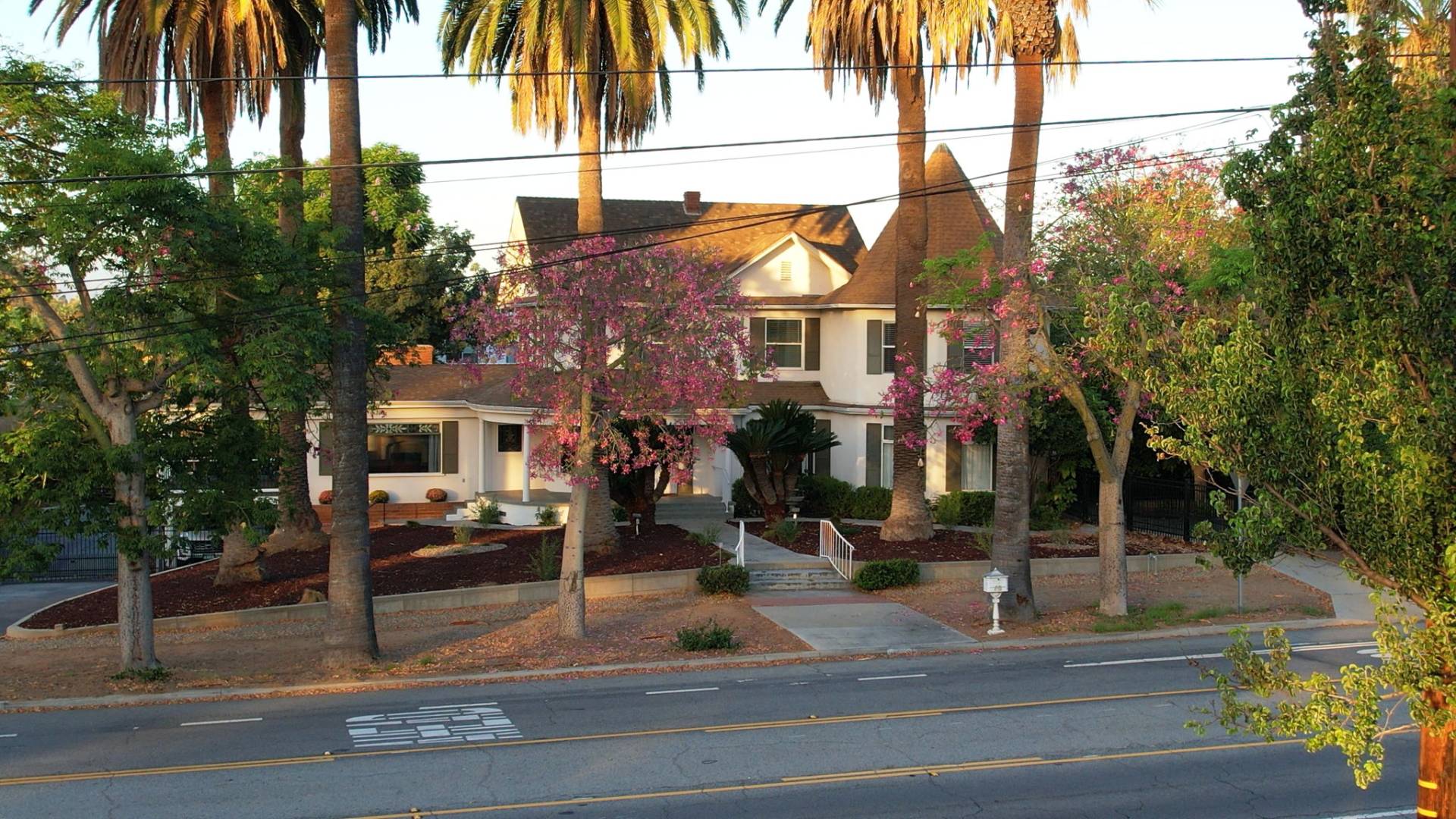



The Puffer-Lamar Home: Adobes, Bungalows, and Mansions of Riverside, California by Esther Klotz and Joan Hall
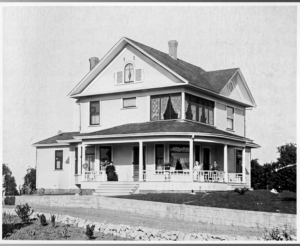
Clark and Mary Puffer Home around 1902
The style of this tall, white house on Mary Street near Victoria Avenue reflects the traditional mid-western background of its original owner, Clark Puffer. He built the home in 1900 for his third wife, Mary.
They John Lamars, however, lived there for only a short time as the house was considered too far from town. In 1945, their son, Edward, and his wife, Jane, acquired the house. Since that time, they have increased its size with a series of additions and remodeling projects. They enclosed an upstairs porch and added a spacious living room. A high-ceilinged studio followed these additions on the south side of the home for Jane Lamar’s work in artistic crafts and paintings. Later, they built a spectacular kitchen with custom-designed stained-glass windows depicting local historic landmarks. The Lamars were very generous in sharing their beautifully decorated home with many Riverside organizations.
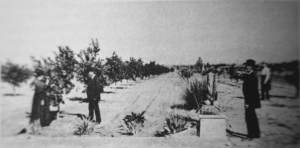
Clark Puffer in his grove 1890s
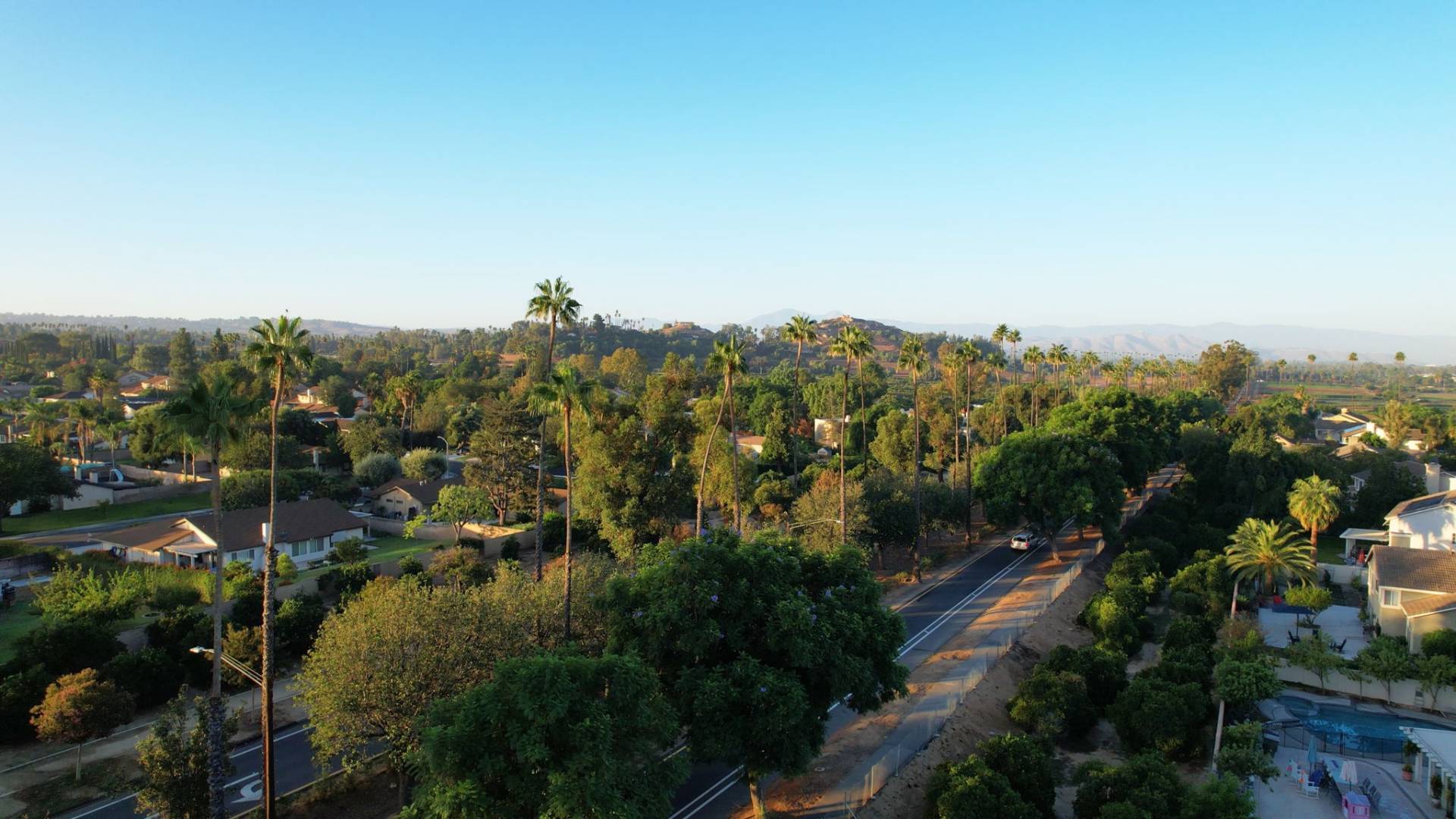
Riverside’s “Greenbelt”
The roots of Riverside’s Greenbelt trace back to the late 1880s, when visionary jeweler-turned-canal-builder Matthew Gage constructed the Gage Canal to deliver water to the arid benchlands above the city. To finance the venture and plant vast groves of Washington navel oranges, Gage formed the British-backed Riverside Trust Company, Ltd., subdividing thousands of acres in the Arlington Heights tract and laying the groundwork for Riverside’s legendary citrus empire. Nearly a century later, as post-war suburban growth threatened to consume this historic farmland, local residents rallied to defend Gage’s legacy. Through the landmark passage of Proposition R in 1979 and Measure C in 1987, voters enacted strict agricultural zoning and large-lot minimums, legally cementing thousands of acres as a permanent, protected greenbelt.
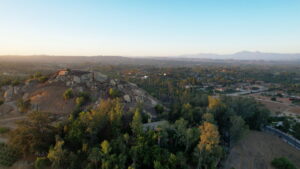
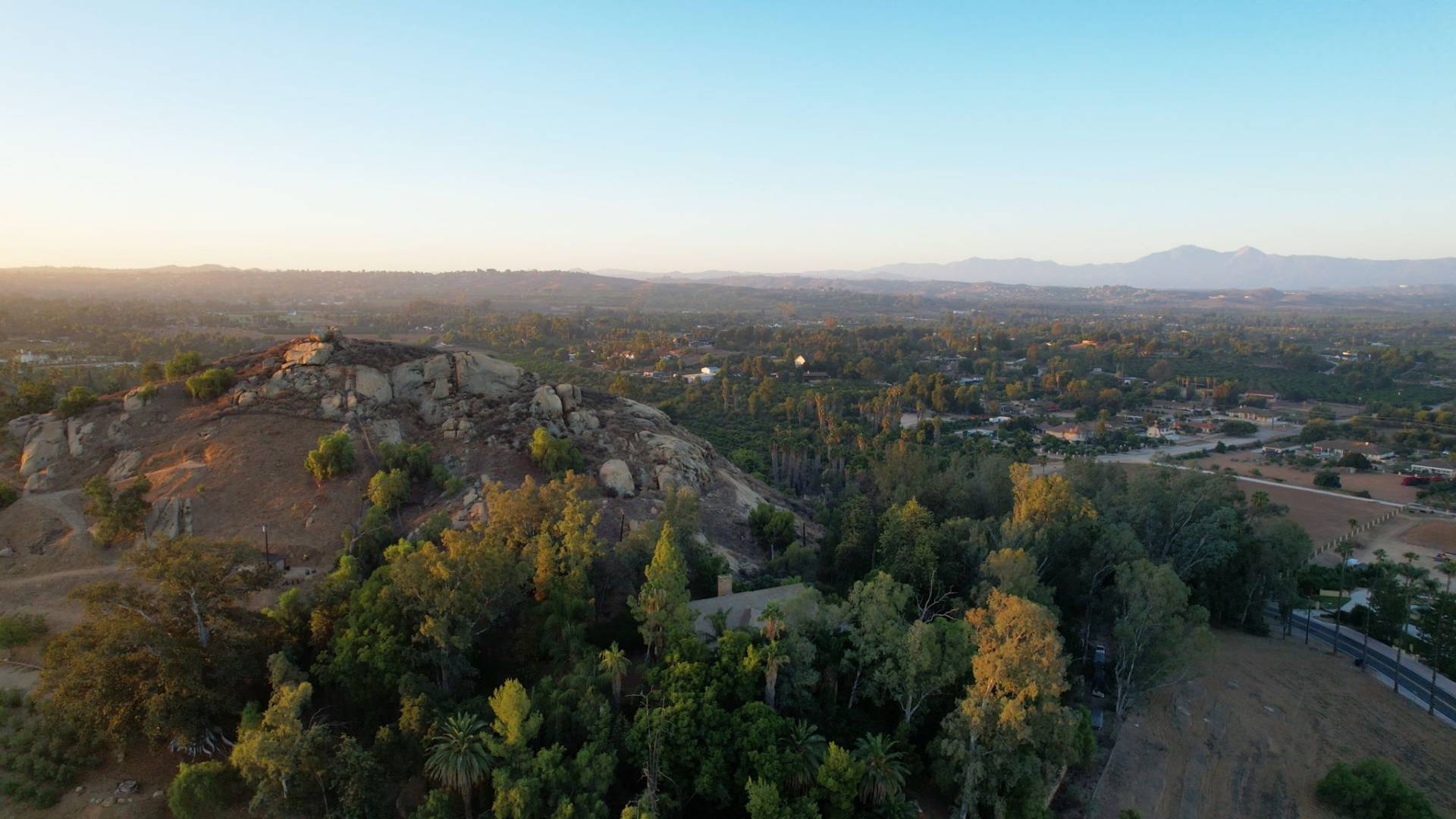
Riverside’s Greenbelt, late summer sunrise
Today, that vision endures as a tranquil agricultural and equestrian enclave woven into the modern city. The Greenbelt is anchored by working grove properties, where rows of fragrant orange trees, heritage farmhouses, and historic irrigation networks preserve the area’s turn-of-the-century character. Alongside the orchards, the landscape has evolved into a thriving haven for horse properties equipped with classic barns, turnouts, and pastures. It is common to see residents riding horses along the dirt roads, quiet lanes, and grove edges, enjoying an unhurried, pastoral lifestyle that feels completely insulated from the surrounding inland metropolis.
Beyond its agricultural and equestrian vitality, the Greenbelt functions as an essential ecological corridor for Southern California wildlife. The continuous tree canopy and rugged, native arroyos provide sanctuary and nesting grounds for red-tailed hawks, barn owls, roadrunners, and coveys of California quail, while coyotes and bobcats routinely roam the sheltered orchard rows. What began with Matthew Gage’s ambitious canal and was saved by grassroots civic action has become an irreplaceable living landscape, where historic citrus groves, horse farms, and native wildlife continue to thrive side by side.
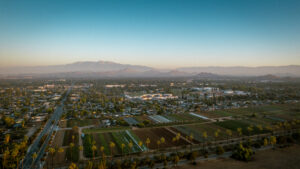
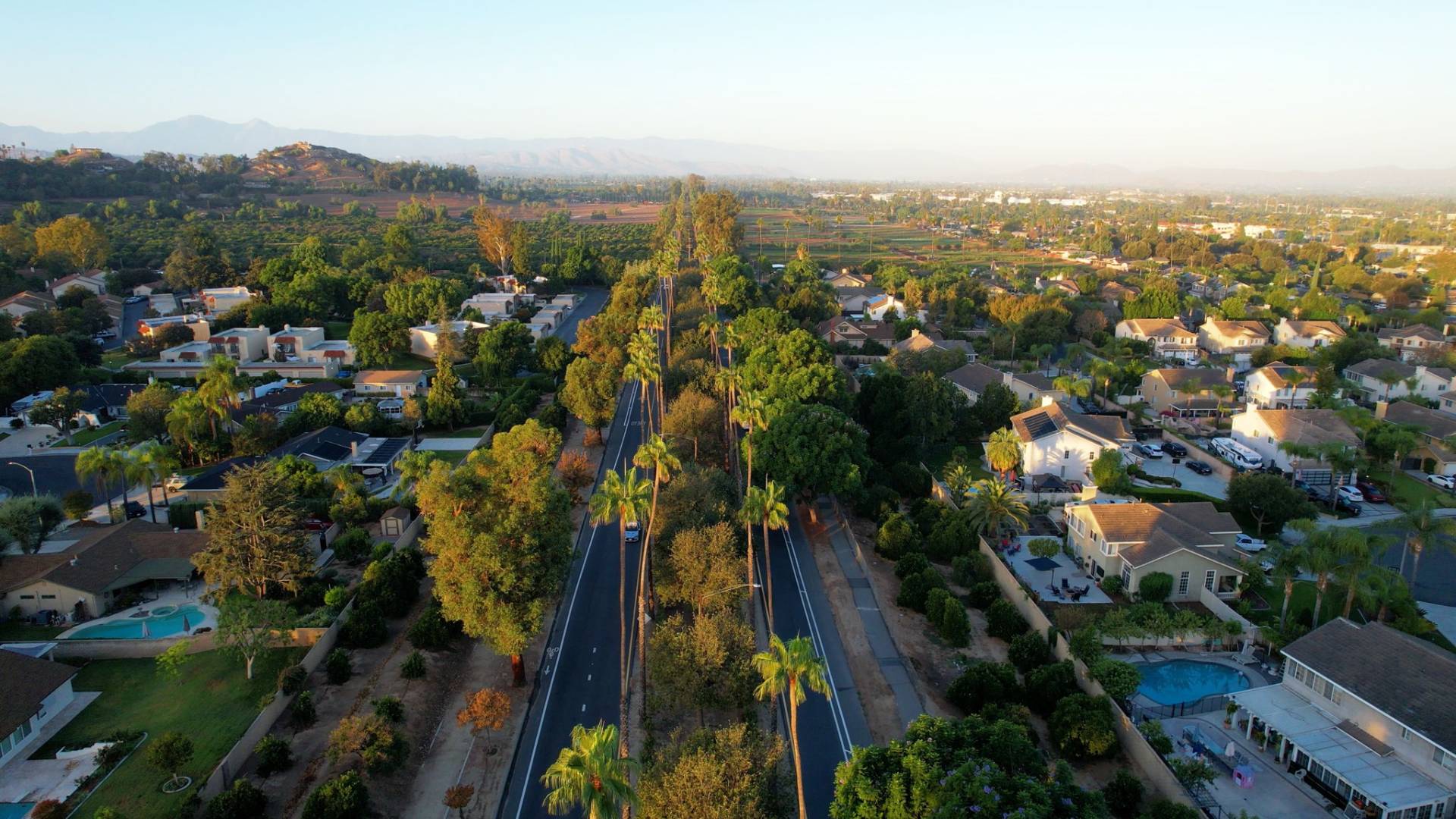
Victoria avenue below and Baldy on the horizon
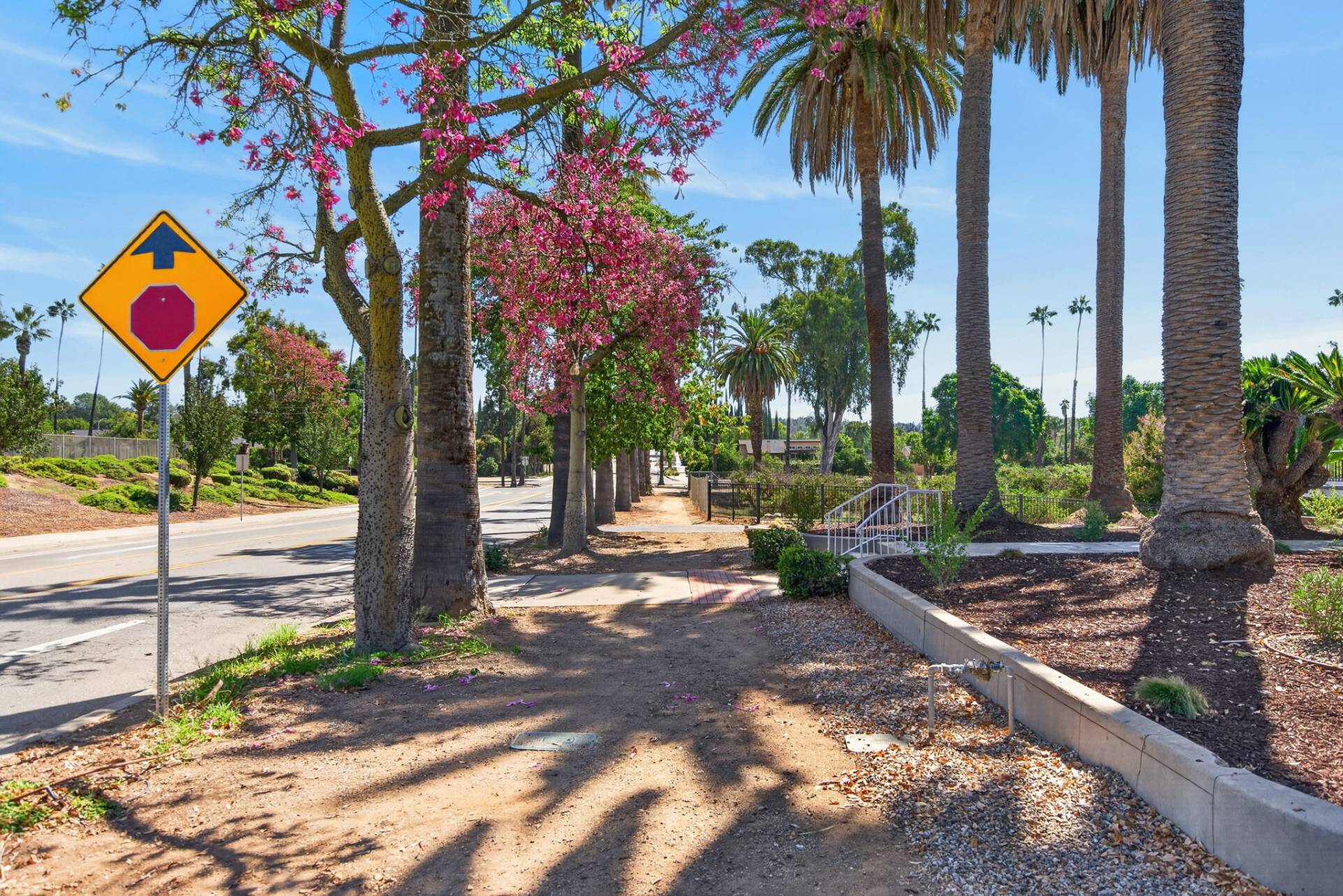
Victoria Avenue
Planned in 1891 by Matthew Gage and the Riverside Trust Company, Victoria Avenue was designed as a grand, scenic showpiece to traverse the newly planted orange groves of Arlington Heights. Spanning over seven miles, the divided parkway was landscaped under the guidance of famed botanist and horticulturist Franz Hosp, who lined the central median and borders with towering palms, eucalyptus, silky oaks, and vibrant displays of flowering roses. Today, listed on the National Register of Historic Places, Victoria Avenue remains a beloved civic treasure featuring a popular multi-use walking and biking path that offers stunning views of preserved citrus estates and continues to celebrate Riverside’s agrarian legacy.
City of Riverside
The heart of the Inland Empire, Riverside offers an extraordinary blend of historic charm, forward-thinking economic growth, and an exceptional Southern California lifestyle that presents a compelling alternative to coastal congestion. Founded in the 1870s, Riverside became the prosperous birthplace of the California citrus industry, a heritage still visible today in its lush greenbelts, historic landmark homes as well as stunning civic architecture and of course the world-renowned Mission Inn Hotel. Today, it is a dynamic, growing city of roughly 320,000 residents, characterized by a diverse, highly educated demographic fueled by UC Riverside, Cal Baptist University, La Sierra University and Riverside Community College. This deep talent pool has catalyzed massive economic development, transforming the city into a thriving hub for technology, healthcare, logistical innovation, and green enterprise, all supported by a business-friendly infrastructure that attracts professionals and families from across the nation.
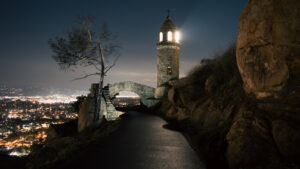
Peace Tower on Mount Rubidoux, 1926
For out-of-area buyers seeking the quintessential Southern California experience without sacrificing space or tranquility, Riverside’s deliberate urban planning stands out. Recent City Council decisions have heavily emphasized smart growth, downtown revitalization, and transit-oriented development, while simultaneously enforcing strict voter-approved conservation initiatives like Proposition R and Measure C. These unique local mandates permanently protect the city’s spectacular natural topography including its craggy granite hillsides and deep arroyos from the dense suburban sprawl seen elsewhere in the region.
Crucially for relocators, Riverside serves as the ultimate geographical anchor for Southern California exploration. It is uniquely and centrally located, putting world-class Pacific beaches, wild snow-capped mountain ranges, and globally unique desert landscapes all within about an hour’s drive. Riverside residents also enjoy easy access to three distinct metropolitan powerhouse regions, each offering its own world of activities: the cultural landmarks, entertainment industry, and culinary scenes of Los Angeles; the pristine coastal luxury, shopping, and theme parks of Orange County; and the relaxed, sun-drenched coastal vibes and historic districts of San Diego.
Nowhere is this harmonious balance between regional connectivity, premium luxury, and preserved nature more evident than in Alessandro Heights. For a discerning buyer relocating from out of state, Alessandro Heights represents the pinnacle of Riverside real estate, where grand custom estate homes are seamlessly carved into rolling hills and rugged ridgelines. Positioned between the Alessandro and Prenda Arroyos, this exclusive enclave offers panoramic, high-altitude views of the region and unmatched natural privacy. Because the surrounding canyons and native coastal sage scrub are contractually protected as vital wildlife corridors, residents enjoy a serene, estate-shielded lifestyle that feels entirely removed from the world, yet sits just minutes from a booming metropolitan center and the very best that Southern California has to offer.
6809 BROCKTON AVENUE, RIVERSIDE CA 92506 (951) 961-1609 CALRE#01922817